 Degchi
Cooking Desi Food in a Small Apartment: Smells, Smoke and Ventilation Without the Stress
The real problem
Anyone who cooks South Asian food in a flat knows the moment: hot oil, whole cumin, a hiss, and the smoke alarm joins in. Even without the alarm, onions and spices travel. They end up in the sofa, the curtains, and the corridor.
You do not have to give up cooking the way you like. Most of the problem comes from heat, air, and timing, and all three can be managed.
Get the air moving
Ventilation matters more than any air freshener.
- Use the extractor fan or cooker hood from the beginning, not after the smoke starts. Make sure the filter is clean. A greasy filter does little.
- Open a window and a second opening across the flat if you can, so that air flows through instead of just sitting.
- Close the door to the living room and bedroom while you cook, and open it afterwards once the smell has cleared.
- Place a small fan facing out of the window to push air outside. It is a cheap fix that makes a visible difference.
If your kitchen has no window and no hood, consider a freestanding fan and cook the strongest dishes when you can open the front door briefly.
Control the heat at the tarka stage
Most smoke comes from oil that is too hot. The tarka (tempering) needs hot oil, but not smoking oil.
- Heat the oil on medium, not the highest setting.
- Test with a single cumin seed. If it sizzles gently, add the rest.
- Choose an oil with a high smoke point, such as refined sunflower, rapeseed, or vegetable oil, rather than a delicate unrefined one.
- Have everything measured and ready before the pan goes on, because spices burn in seconds.
For a pot of daal, you can also make the tarka in a small separate pan, which is easier to control than frying in the main pot.
Reduce frying
Deep frying is the biggest source of lingering smell. If you live in a small space, use alternatives:
- Bake or air fry cutlets and kebabs instead of frying.
- Save deep frying for occasions, and do it with the window open and the fan on.
- Choose one-pot dishes where possible. Matar pulao and khichdi are low-smoke and need little attention. For more ideas, see our guide to one-pot desi dinners.
Clean up while the smell is fresh
Wipe the stove, the counter, and the wall near the hob with warm soapy water straight after cooking. Oil droplets carry smell and stick to every surface. Wash the pan and wipe the extractor grease trap regularly.
Wash tea towels and kitchen cloths often. They hold odour. Keep soft furnishings away from the kitchen if you can, or keep the door closed during cooking.
Deal with the lingering smell
A few simple remedies help after cooking:
- Keep a window open for a while after you finish.
- Simmer a small pan of water with a slice of lemon, or with a few cloves and a cinnamon stick, for ten minutes.
- Put a bowl of baking soda on a shelf.
- Wash curtains and cushion covers more often than you otherwise would.
Scented candles tend to mask smells rather than remove them, and they add more to the air. Fresh air and cleaning work better.
Be a good neighbour
In shared buildings, a short word with your neighbours can prevent complaints. A plate of food on a festival day is a classic way to build goodwill, and many neighbours are curious and appreciative. If you are renting, check the lease for any rules about smoke alarms. Never disable or cover an alarm. Instead, move the cooking away from it or improve ventilation.
Plan your cooking times
Cook the fragrant dishes when you can open up the flat: late morning, or at times when neighbours are likely to be out. Batch cooking helps too. If you cook a large pot of curry once and eat it over several days, you create the smell once rather than every night. Store leftovers in airtight containers, cooled quickly and kept in the fridge, so the fridge does not carry the odour either.
Pick dishes that suit the space
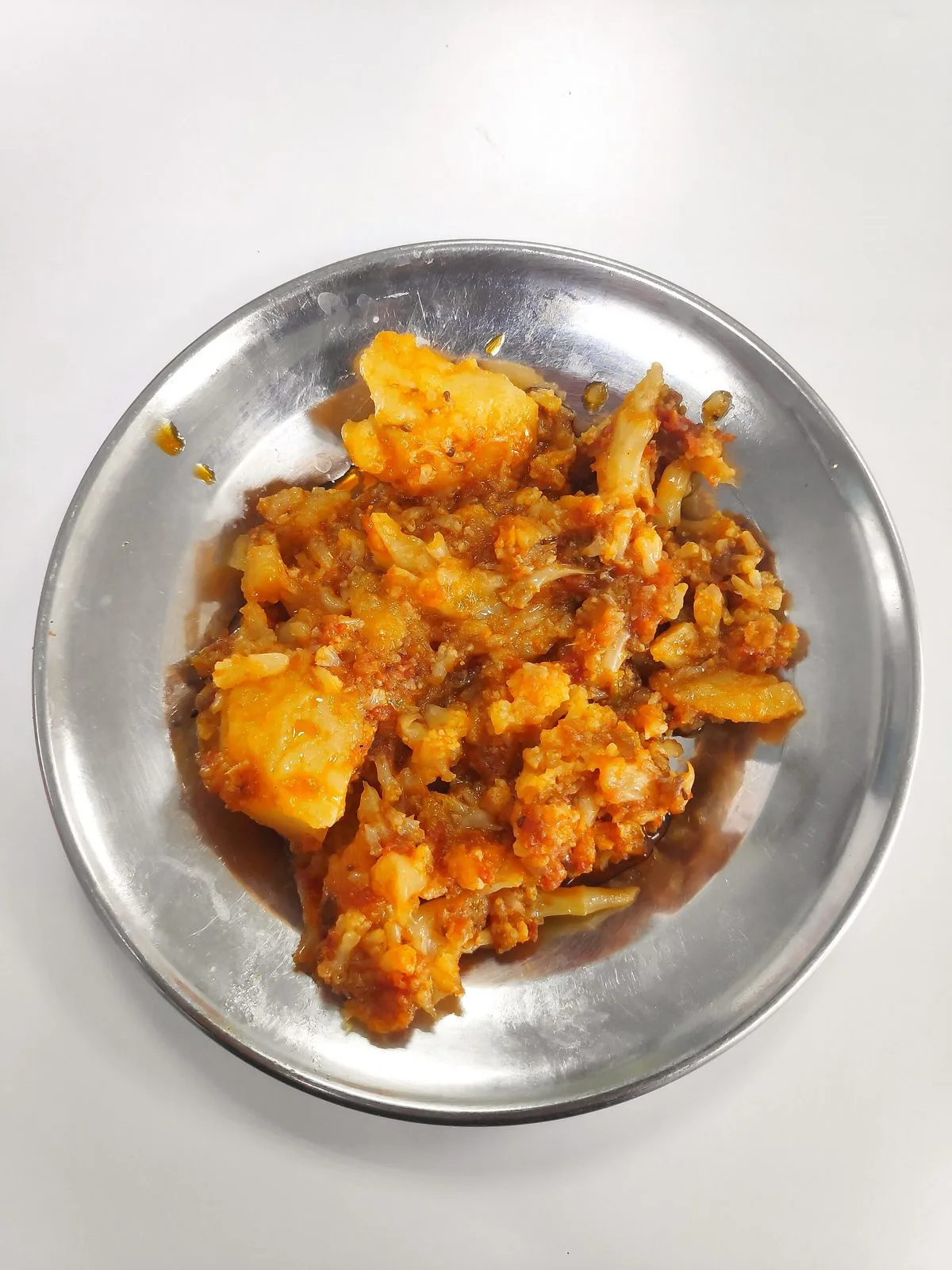
Some dishes are naturally gentler on a small kitchen: aloo gobi steams more than it fries, chicken handi cooks covered, and lentil dishes simmer quietly. When you plan the week, put the strongest-smelling dishes on a weekend.
If planning is the part you find hard, the Degchi app, currently in beta, can suggest dishes from what you have at home. You can sign up for the beta on our website.
In short
Ventilate early, keep the oil temperature sensible, reduce frying, clean as you go, and plan your cooking times. A small kitchen can still produce big flavour, and a cleaner kitchen makes cooking something you want to do again tomorrow.
Related recipes

Related posts
What Is Tadka? Tempering Explained With Real Recipes
Tadka, tarka, baghar, chaunk: one move, many names. What goes in the pan first, how long each spice gets, and which recipes use it at the start or the end.
Why Does My Daal Taste Flat? Tadka and Seasoning Fixes
The lentils are soft, the colour is right, and it still tastes like nothing. Check these seven things, in this order, before you add more spice.