 Degchi
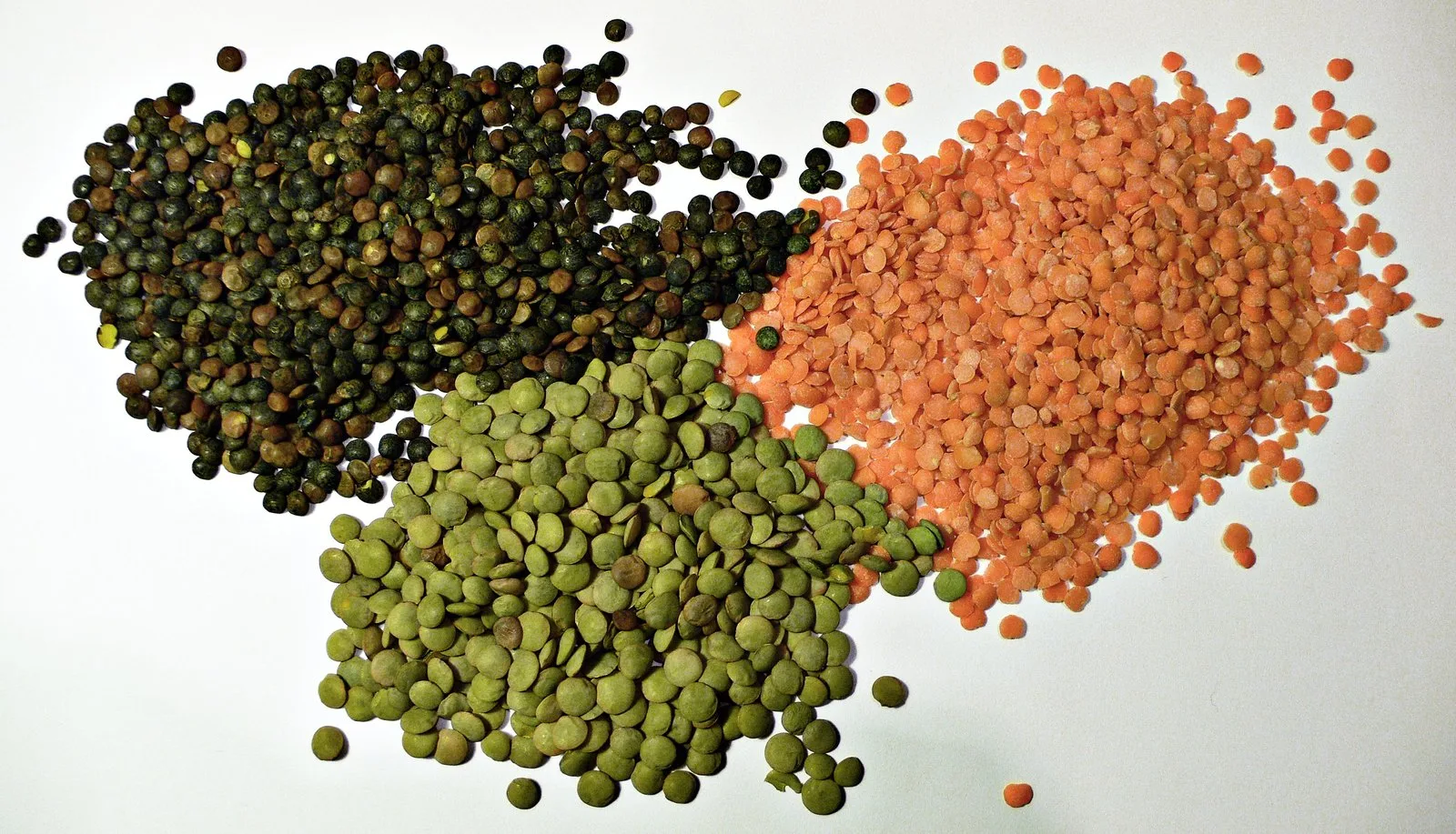
Photo: User:Justinc / CC BY-SA 4.0
Tadka at the End or Spices at the Start? Two Different Jobs
Same word, opposite ends of the recipe
You read "add the tadka" and the daal has already been cooking for 25 minutes. Next recipe says "heat the oil, add the tadka, then the onions". Both use the same word, and the first is a garnish while the second is the first step of the sauce.
Our existing guide to tarka, baghar, chaunk and vagar sorts out which region says which word. This post asks a different question: where in the pot does the hot spiced oil go, and what is it there to do? Once you can tell the two jobs apart, the names stop mattering.
Job one: the finishing tadka (poured on top)
In this version, the daal or yogurt dish is fully cooked first. In a small pan, you heat oil or ghee, add whole spices, wait for them to sizzle and smell, and pour the lot over the dish at the end. It is a flavour hit, not a base.
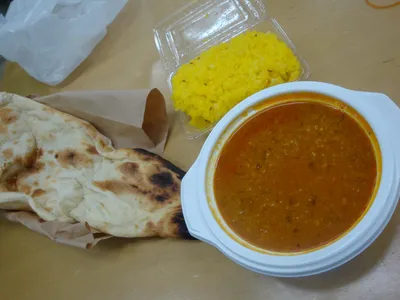
Our daal chawal works this way: red lentils are simmered soft with turmeric and garlic, then finished with a sizzling cumin and garlic tempering, as the recipe description says. It is 15 minutes of prep and 30 of cooking for 4 servings. Dal tadka is the name of the dish, a sign the final tempering is the point of it: 150 g (5.3 oz) moong, 10 minutes of prep, 30 of cooking.
What the finishing tadka does:
- Adds aroma at the last moment. Spices lose scent the longer they simmer. Frying them in hot oil and pouring them over just before serving keeps the smell.
- Adds a layer of texture. Whole cumin seeds, garlic slices and dried chillies stay crisp-ish on top.
- Does not cook the dish. If the lentils are still hard, a tadka will not rescue them.
How to tell it is ready: the cumin seeds sizzle, darken one shade and smell toasted within about 30 seconds on medium heat. Garlic goes golden, not brown. Kashmiri chilli powder, if used, goes in off the heat, since it scorches fast. <!-- VERIFY: timing and heat levels are general technique, not exact figures from our recipes. -->
Job two: the opening tempering (spices first)
Here the spiced oil is the foundation. You fry whole spices in oil at the start, then add onion, ginger, garlic, tomatoes and the main ingredient. It is closer to what many English cooks call "blooming spices". The Hindi and Urdu words overlap with the finishing kind, which is where the confusion comes from.
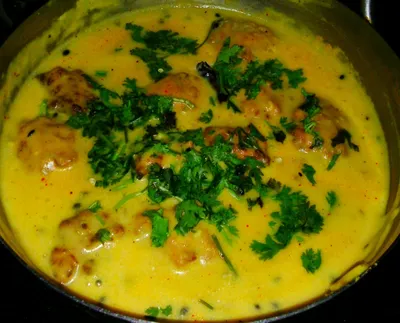
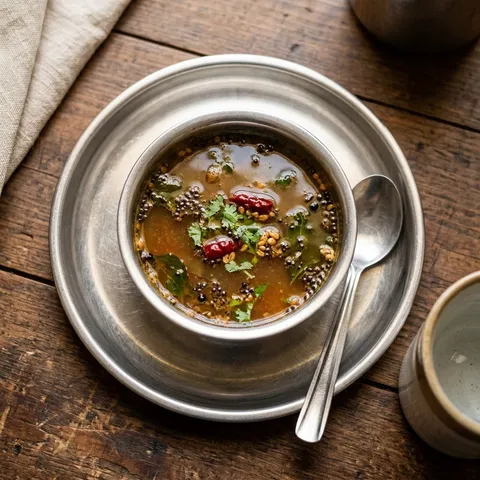
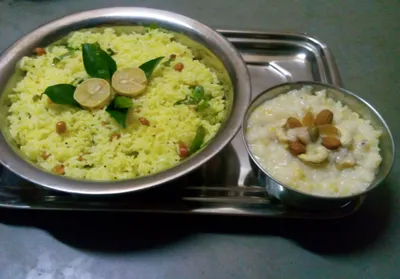
In kadhi the structure is often a base of yogurt and gram flour simmered for a long time, with a spice tempering added either at the start or over the top. Lemon rice, a south Indian dish, uses a quick tempering as its seasoning: the spices are fried in oil, then mixed into cooked rice. Rasam is typically finished with a tempering of mustard seeds and curry leaves. <!-- VERIFY: check each recipe's actual step order for kadhi, lemon rice and rasam before relying on this paragraph. -->
What the opening tempering does:
- Flavours the oil, so the whole dish carries it.
- Needs patience. Whole spices have to be fried before the onion goes in, or they stay raw.
- Can burn. If you add onion too early, the spices stick; too late, and they scorch.
A short decision table
| You are making | Where does the hot spiced oil go? | The job |
|---|---|---|
| Daal chawal | End, poured over | Aroma and crunch |
| Dal tadka | End, poured over | Aroma and crunch |
| A karahi or salan | Start, before onions | Base flavour |
| Lemon rice | Stirred into rice | Seasoning |
| Rasam | Usually the finish | Aroma |
If you are unsure, check the order of steps in the recipe, not the name. "Add the tadka" at the end of a daal means finishing. "Heat oil and add the spices" at step one means opening.
Three ways it goes wrong
- Cold oil in, spices in. The cumin sits in warm oil, never sizzles, and tastes raw. Test with one seed: if it does not bubble within seconds, wait.
- A finishing tadka poured into a bubbling pot. The oil hits boiling liquid and splatters. Take the pot off the heat first, then pour.
- Too much garlic. Our daal tempering uses garlic, and a spoonful goes bitter when it darkens. Pull the pan the moment the colour changes from pale to gold.
Names by kitchen, for quick translation
| Word | Commonly heard | Usually means |
|---|---|---|
| Tadka / tarka | North India, Pakistan, UK | Usually the finishing kind, but also the start |
| Baghar | Urdu, Pakistan | Finishing or opening, context decides |
| Chaunk | Hindi, regional | Same, often the finishing kind |
| Vagar | Gujarati | Both |
<!-- VERIFY: regional usage is general; speakers vary, so do not treat this table as strict. -->
A fifteen-minute practice run
Cook dal tadka tonight. Divide the tempering step in your head: oil, wait, cumin, wait, garlic, pour. Do it once, taste, and do it again next week with a slightly different spice. After two daals, you will not need the names.
If you want your pantry spices tracked so you do not run out of cumin halfway through, the Degchi pantry tool can mark each as Have, Low or Out.
Related recipes
Related posts
Tarka vs Baghar vs Chaunk vs Tadka: Same Trick, Different Names
One recipe says tarka, the next says baghar, a third says chaunk. They are mostly the same step. Here is how the names map across Pakistan, India and Bangladesh.
What Is Tadka? Tempering Explained With Real Recipes
Tadka, tarka, baghar, chaunk: one move, many names. What goes in the pan first, how long each spice gets, and which recipes use it at the start or the end.