 Degchi
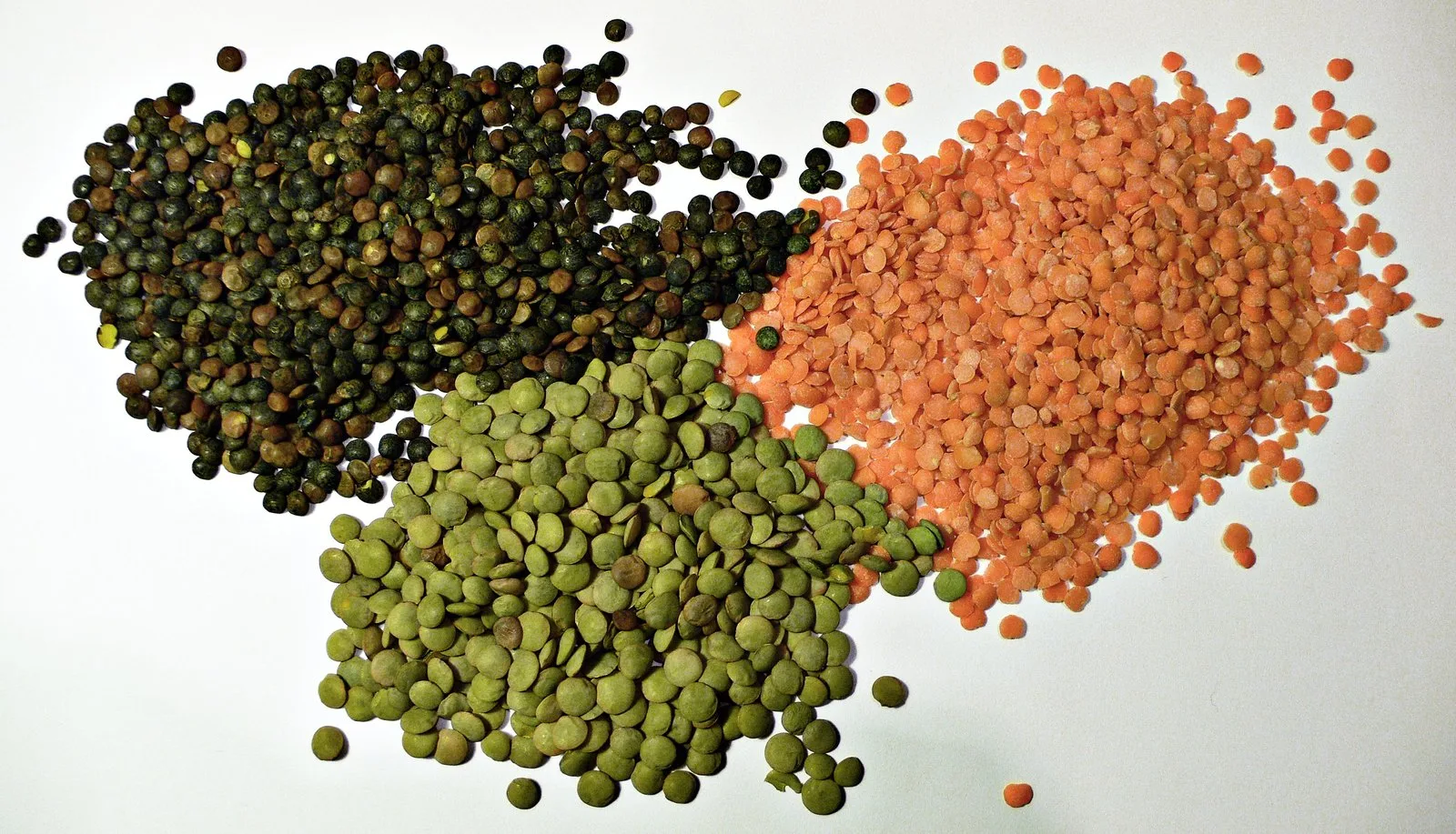
Photo: User:Justinc / CC BY-SA 4.0
Tarka vs Baghar vs Chaunk vs Tadka: Same Trick, Different Names
You are not misreading the recipe
Three tabs open, three daal recipes. One ends with "add the tarka". Another says "finish with a baghar". The third wants you to "give it a chaunk". If you grew up with only one of those words, the other two look like a different technique. They are not. In most kitchens they all point at the same moment: fat gets hot, whole spices or aromatics go in for seconds, and the sizzling result is poured over finished food.
That is the short answer to the tarka vs baghar question. The longer answer is that the names change with language and region, and a few of them carry small differences that are worth knowing before you pick the wrong pan.
The names, region by region
| Word | Where you will hear it | Usually means |
|---|---|---|
| Tarka | Pakistan, Punjab, UK Asian shops | Hot ghee or oil with cumin, garlic or onion, poured over daal |
| Tadka | Hindi-speaking India, most English-language recipe sites | Same thing, the Hindi spelling |
| Baghar | Urdu speakers, Hyderabad, Karachi | Same thing; often used for the fried-onion version |
| Chaunk / chhaunk | Punjabi and Hindi home cooks | Same thing; sometimes the verb ("chaunk lagana") |
| Vagar / vaghar | Gujarati, some Marathi homes | Same thing, often with mustard seed and curry leaves |
| Phoron / phoran | Bengali | Whole spices fried in oil, either first or last |
| Tempering | English | Umbrella word for all of the above |
These are habits of speech, not strict rules. A Karachi household might say tarka for daal and baghar for something else entirely, and two cousins from the same city will disagree. Treat the table as a guide to what you will hear, not a rulebook.
What actually differs
Names aside, there are three real variables, and they matter more than the label.
Timing. Most of the time the hot fat goes on at the end, so you get a sharp aroma on top of a soft dish. That is the shape of dal tadka, where the lentils are simmered soft first and the sizzle is the finish. But in Bengali phoron and in a lot of vegetable cooking, the spices hit the oil first and everything else is built on top. If a recipe says "temper first", the oil is the foundation, not a garnish.
What goes in. Cumin seeds are the classic Pakistani and North Indian choice. Garlic, dried red chilli and sliced onion often join them. Further south and west you will see mustard seeds, curry leaves and hing. Bengal leans on cumin, nigella, fennel and mustard, sometimes as a pre-mixed blend. The word does not tell you the spices; the recipe does.
The fat. Ghee gives the nutty finish that most Pakistani and Punjabi daal cooks want. Mustard oil is common in Bengali cooking. Neutral oil is fine when you want the spices without the dairy flavour. Our ghee vs oil post covers the trade.
How it works, in about 90 seconds
Whatever you call it, the sequence is nearly identical:
- Put a small pan on medium heat with 1 to 2 tablespoons (15 to 30 ml) of ghee or oil for a pot of daal that feeds four.
- Wait until a single cumin seed dropped in sizzles right away. If it just sits there, the fat is too cool.
- Add whole seeds first. They need about 10 to 15 seconds and should smell toasty, not burnt.
- Add garlic or onion next. Garlic goes golden in under a minute and turns bitter fast, so pull the pan off the heat a beat before you think it is ready.
- Add ground chilli last, off the heat, for a few seconds. Powder scorches almost instantly.
- Pour the lot over the dish and cover for a minute so the aroma stays in.
The sound is the quality check. A tarka that spits and hisses when it meets the daal was hot enough. One that arrives silently is just warm oil.
Where the names change the dish
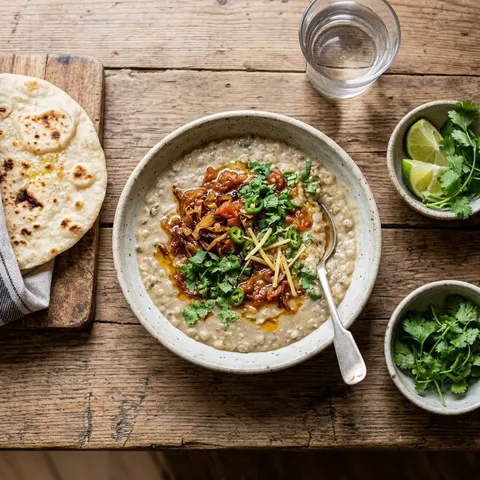
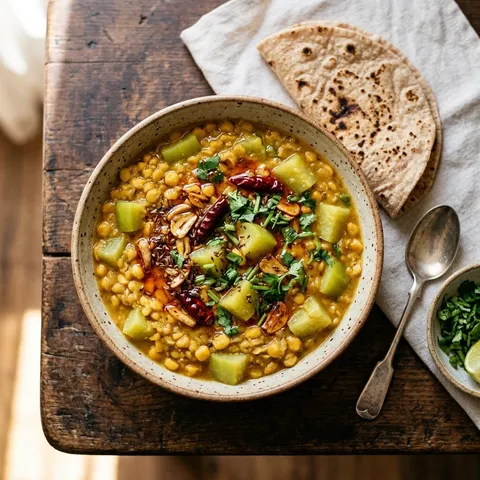
Daal. Daal, daal mash and lauki chana daal all finish this way in the recipe library. In daal mash, the tarka is built on golden onion and tomato in ghee, so it is heavier than a plain cumin-and-chilli sizzle. Same step, different weight.
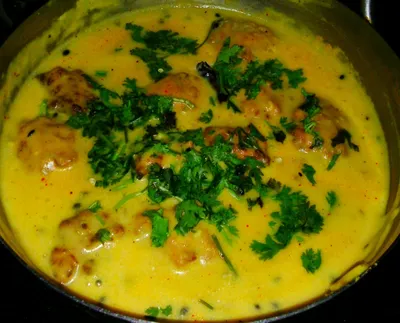
Kadhi. Kadhi gets a hot cumin tempering at the end, which is the bit that makes the yogurt gravy smell like kadhi rather than sour porridge.
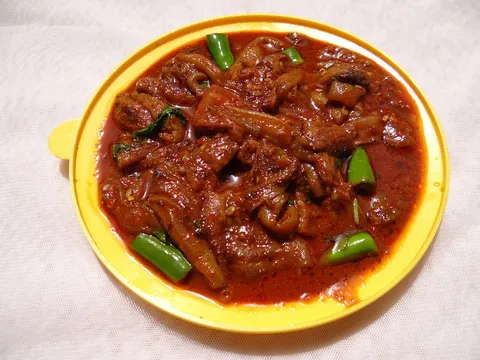
Vegetables. A dry sabzi such as tori sabzi usually starts with the fat and spices rather than ending with them. Some cooks still call that start a baghar or tarka. You will not be wrong in either direction.
Mistakes people make
- Pouring it on cold daal. The sizzle is the point. Reheat the daal to simmering first.
- Walking away. Garlic takes seconds. Do the tarka last and stay at the stove.
- One pan for everything. A tiny steel tadka pan or small saucepan gives you control. A big pan lets 1 tablespoon of ghee spread so thin it burns.
- Skipping it when daal tastes flat. If a pot of daal tastes dull, a fresh tempering fixes more than extra salt does. We go through that in why does my daal taste flat, and the basics are in what is tadka.
A quick reading guide
When a recipe uses a word you do not know, ask three questions. Is it the last step or the first? Which seeds are named? Is the fat ghee or oil? Those three answers tell you everything the vocabulary does not.
If you cook from several regions at once, Degchi's recipe pages show each step with its own timer, so a 15-second spice step and a 20-minute simmer do not blur together. You can try it from the home page.
Related recipes
Related posts
Tadka at the End or Spices at the Start? Two Different Jobs
When a recipe says tadka, is the oil going in first or last? Same word, two jobs, and getting it backwards is a quiet way to ruin a pot of daal.
What Is Tadka? Tempering Explained With Real Recipes
Tadka, tarka, baghar, chaunk: one move, many names. What goes in the pan first, how long each spice gets, and which recipes use it at the start or the end.