 Degchi
What Can I Cook With What I Have? A Five-Minute Pantry Method
The 6 pm problem
Most weeknights go the same way. Work ends, someone asks "what are we eating?", and everyone opens the fridge, looks, and closes it again. The food is there. What is missing is a way to see it as a meal.
We built Degchi around this exact moment, so we have thought about it more than is probably healthy. Here is the method we use at home. You can do it with nothing but a pen or the notes app on your phone.
Step 1: Sort what you have into four groups
Forget exact quantities. Just list what is there under four headings:
- Base: rice, flour, bread, pasta, potatoes.
- Protein: lentils, chickpeas, eggs, paneer, chicken, whatever is in the freezer.
- Vegetables: anything fresh, even one sad tomato and half an onion.
- Flavour: onion, garlic, ginger, chilli, cumin, turmeric, garam masala, lemon, yoghurt.
If you cook South Asian food, you almost always have the flavour group covered. That is the quiet advantage of this cuisine: a handful of spices turns very little into a lot.
Step 2: Pick a dish shape, not a recipe
Recipes are strict. Shapes are forgiving. A few shapes cover most desi weeknights:
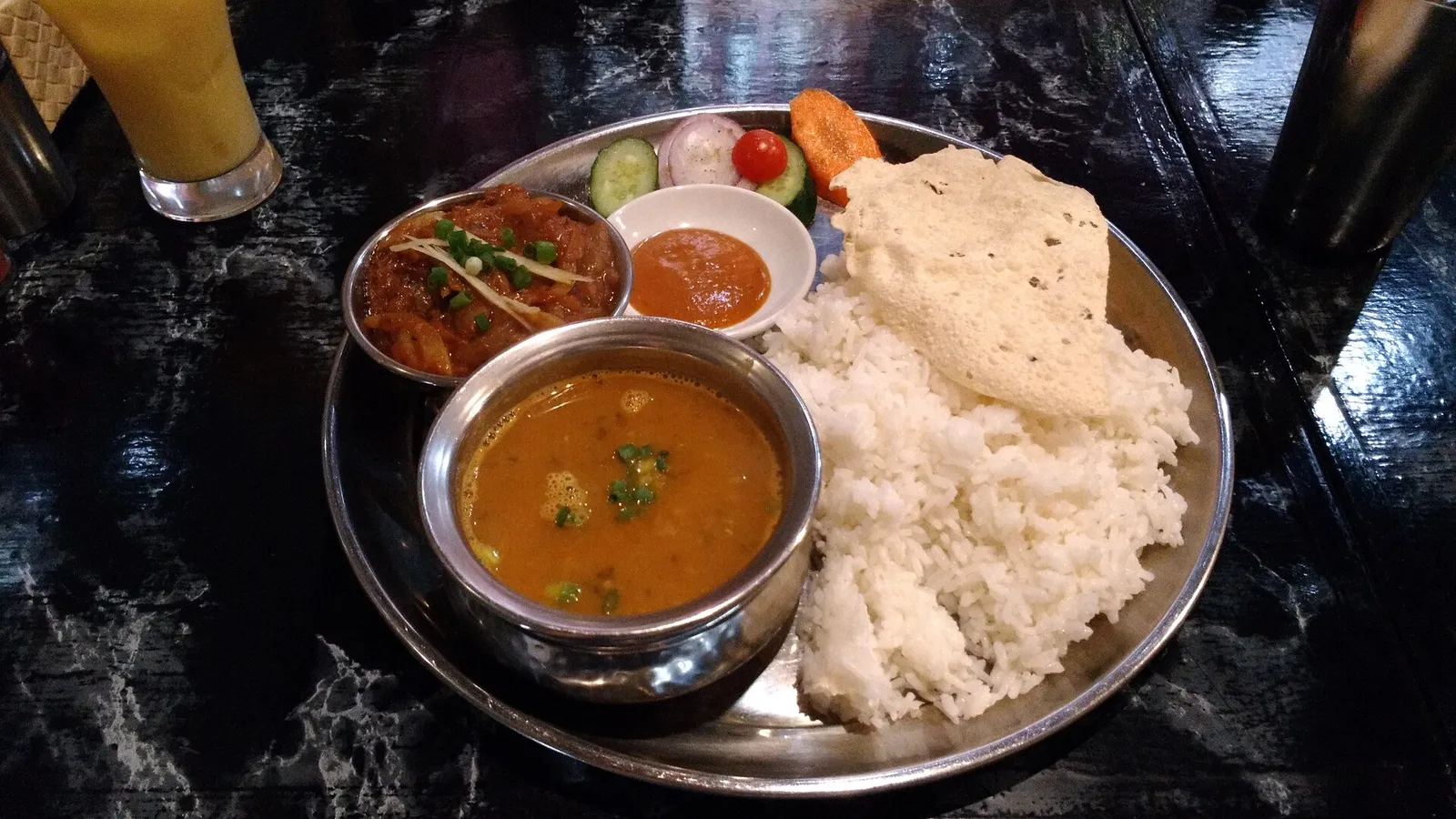
- Daal shape: lentils plus a tarka (hot oil with cumin, garlic and chilli poured over at the end). Works with red lentils (masoor), yellow split peas (chana daal), mung, or a mix. Our daal recipe is a good starting point.
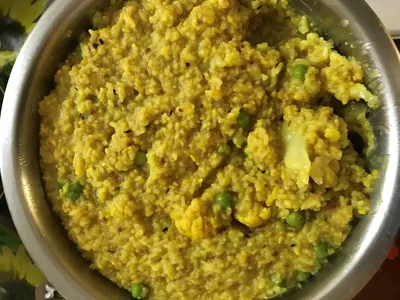
- Khichdi shape: rice and lentils cooked together, roughly 1 cup (200 g) of each for four people with about 5 cups (1.2 litres) of water. It is the ultimate "I have almost nothing" meal. See our khichdi recipe.
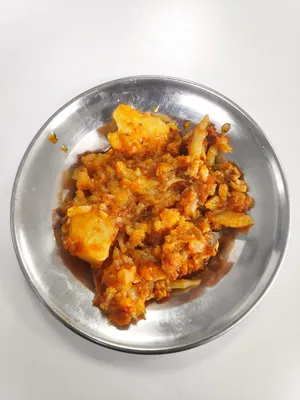
- Sabzi shape: any vegetable, onion, tomato, spices, lid on. Potato and cauliflower become aloo gobi. Potato and spinach become aloo palak. The method barely changes.
- Egg shape: eggs rescue everything. Scrambled with onion and chilli (bhurji), curried, or tossed through leftover rice like egg fried rice.
You are not looking for the perfect dish. You are looking for the one that matches what you have.
Step 3: Check what is missing, then decide
Compare the dish you picked with your list. Sort the gaps into two kinds:
- Essential gaps: the dish does not work without it (no lentils, no rice).
- Optional gaps: it will be nicer with it, but fine without (coriander, a squeeze of lemon).
No essential gaps means you are cooking. One gap means asking whether a sibling dish fits better. Two or more means that dish goes on the weekend shopping list.
A worked example
You open the fridge and find half a cauliflower, two potatoes, an onion, a tomato and yoghurt, plus rice in the cupboard.
- Base: rice, potatoes. Protein: yoghurt only. Vegetables: cauliflower, onion, tomato.
- Shape: sabzi. Dish: aloo gobi with plain rice and a bowl of yoghurt with salt and cumin.
- Essential gaps: none. Optional: fresh coriander. Skip it.
That took about two minutes. Cooking takes roughly 35 minutes, and nobody ordered takeaway.
Keep a small "always have" list
The method works best when your kitchen has a few forgiving staples. Ours are:
- Rice (basmati, 2 lb or about 1 kg at a time)
- Two kinds of lentils, one quick-cooking like red lentils
- Onions, garlic, ginger
- Eggs
- Canned tomatoes or tomato paste
- Oil or ghee, salt, turmeric, red chilli, cumin, coriander powder, garam masala
- A bag of frozen peas or mixed vegetables
None of it is expensive, and with these in the house you can nearly always make something decent.
Where an app helps, and where it does not
Doing this in your head every night is tiring, which is the honest reason we made Degchi. You mark each pantry item as Have, Low or Out, and the app shows which dishes you can cook right now and which are one item short. It also builds the shopping list from what is running low. It works offline and it is free.
You do not need it for the method above. Try the four groups and the dish shapes for a week first. If you find yourself wishing the matching happened automatically, we would love you to join the Degchi beta.
Quick recap
- Sort what you have: base, protein, vegetables, flavour.
- Choose a dish shape, not an exact recipe.
- Separate essential gaps from optional ones.
- Keep a short list of forgiving staples at home.
Next time you stand at the open fridge, you will already know what to do.
Related recipes
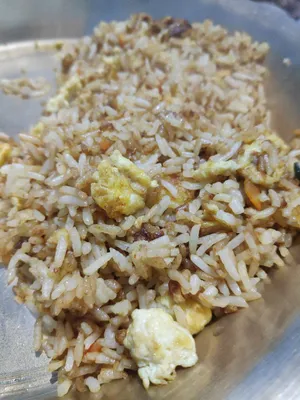
Related posts
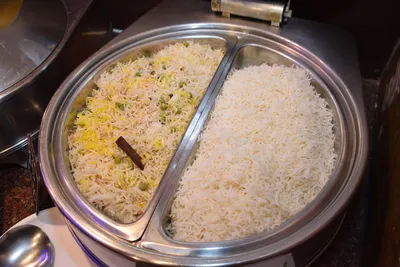
What Can I Cook With Rice? 9 Meals Beyond Plain Boiled
A bag of rice can be fried rice, pulao, khichdi, lemon rice or a cold curd rice. Nine dishes from real recipes, plus the cooked-rice safety rules most people never hear.
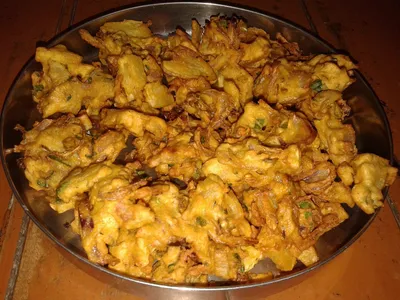
Leftover Bread Slices: Five Desi Ways to Use a Stale Loaf
Half a loaf going hard is a common kitchen problem. Five uses that actually work in a desi kitchen, with timings, and what not to do with mouldy slices.
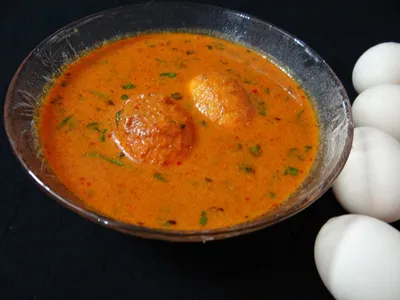
What Can I Cook With Eggs? 9 Dinners and Breakfasts From Our Recipes
Eggs are the emergency dinner. Nine dishes from our recipes, from a 10-minute omelette to a Bangladeshi egg curry, with boiling times and food-safety basics.
Meal Planning for Busy Families: A Realistic Weekly System
Rigid seven-day meal plans fall apart by Wednesday. Here is a flexible system that fits real family life, including leftovers, late nights and picky eaters.