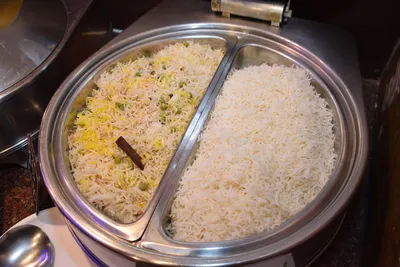
 Degchi

Photo: Billjones94 / CC BY-SA 4.0
The Ten-Minute Weekly Pantry Reset for a Busy Desi Family
Why a weekly reset helps
Most kitchens drift. A packet of chana sits at the back for months. Three open boxes of cumin pile up. Half a bag of spinach turns slimy in the drawer. Then you do a big shop and buy more of what you already have.
A short routine once a week prevents most of this. It does not need special tools or an hour of spare time. Ten focused minutes, at the same time each week, is enough. Pick a quiet moment: Sunday evening, Friday after prayers, or just before you write your grocery list.
Minute one to three: look and sort
Open the fridge, the freezer and the pantry shelves. Do not clean yet. Just look, and sort mentally into three groups:
- Use soon. Fresh produce, open dairy, cooked leftovers, anything near its date.
- Fine for now. Items with a long shelf life and a decent amount left.
- Low or out. Things you will need to buy.
If you use Degchi, this is the same idea as marking items as have, low or out. If you prefer paper, a sticky note per shelf works well.
A word on safety while you are in the fridge. USDA guidance is to eat cooked leftovers within three to four days and to keep the fridge at or below 40 F (4 C). If a leftover is older than that, or you do not remember when you made it, throw it out. Labeling containers with the date takes a few seconds and removes the guessing.
Minute four to six: pick your "use soon" meals
Now decide what to do with the first group. Let the ageing items guide your first few dinners.
Some matches that work well in desi kitchens:
- Tomatoes going soft: cook them into a masala base or a pot of daal.
- Cauliflower, potatoes or peas: a dry vegetable dish or a one-pot matar pulao.
- Half a bunch of coriander: chutney, or chop and freeze for later.
- Leftover rice (still within a day or so if refrigerated): a quick fried rice or khichdi.
- Mince in the freezer: thaw it in the fridge and make aloo keema.
- A can of chickpeas and some onions: chana masala takes about 30 minutes.
If you want help finding dishes from what you have, our post on what can I cook with what I have explains the method. Degchi also suggests dishes from your pantry items, but a notepad works too.
For meat and poultry, thaw in the fridge, not on the counter, and cook poultry to 165 F (74 C), as the USDA recommends.
Minute seven to eight: plan three dinners, not seven
A full week plan sounds good but tends to collapse. Plan three dinners firmly and leave the others flexible.
For each planned dinner, write one line:
- Monday: chana masala with rice
- Wednesday: daal with parathas
- Friday: aloo keema with roti
The other nights are for leftovers, eggs, takeaway or whatever comes up. This is realistic and still stops the daily "what should we cook?" panic. If your family votes on dinner, add one of the family's requests to this list.
Minute nine: build the shopping list
Take your "low or out" group and your three planned dinners, and write only what is missing.
Ask these questions:
- Do I have the main ingredient for each planned dinner?
- Do I have onions, garlic, ginger and oil?
- Is rice or flour running low?
- Do I need milk, eggs or yogurt for the week?
Group the list by where things sit in the shop: produce, dairy, grains, tins and spices. This saves wandering time. A shared list that your family can add to is helpful, so the person who finishes the last of the milk can add it right then.
Our post on shared grocery lists for families covers how households do this with an app or a simple chat group.
Minute ten: one small tidy
End with one small action, not a full clean. Pick one:
- Move the oldest item in a category to the front.
- Wipe one shelf.
- Put a date label on an open jar.
- Pour a half-empty bag into a smaller jar.
One small action every week is much better than a big, rare clean-out. Over a month, the whole kitchen gets attention.
Spices: a monthly extra
Once a month, add a spice check to the reset. Whole spices keep longer than ground ones. Ground spices lose strength over time, so if a spice has little smell when you rub it between your fingers, it is probably stale. Replace the ones you use most, and do not stock up on rare ones you rarely cook with. Our guide to the masala dabba explains a lean setup.
Weekly budget bonus
A reset is also a budget tool. When you see what you already have, you buy less duplicate stock and throw less away. That can add up over several weeks, especially for families who tend to overbuy fresh produce. You do not need to track every pound or dollar. Just notice what you threw out this week, and aim to throw out less next week.
Make it a family habit
If you have older children, give them a role. One can check the fridge, another can write the list, a third can pick a dinner. Assigning tasks makes the routine feel shared and teaches practical kitchen skills.
If you live alone or with a partner, the same routine works in five minutes.
When you miss a week
It happens. Just do the reset the next time you can. The goal is a habit that survives busy weeks, not a perfect streak.
The ten minutes at a glance
- Look: sort into use soon, fine for now, and low or out.
- Choose meals that use the ageing items.
- Plan three dinners, not seven.
- Write a short list of only what is missing.
- Do one small tidy.
- Check spices once a month.
- Discard doubtful leftovers and keep the fridge at or below 40 F (4 C).
Ten minutes a week will not transform your kitchen overnight. Within a month, though, you will notice fewer wasted vegetables, fewer duplicate jars and a much calmer answer to the daily question: what shall we cook?
Related recipes


Related posts

What to Thaw Tonight: A Fridge Thaw Schedule for the Week
The 5 pm moment when the chicken is still a block of ice is a planning problem, not a cooking one. A simple night-before thaw schedule fixes it.

Meal Planning for Two-Income Families: A Realistic System for Desi Households
When both adults work, dinner needs a system rather than willpower. Here is a lightweight plan that fits a real weekday.

A Shared Grocery List for the Whole Family: How to Make It Stick
A shared grocery list only works if people actually use it. These small habits turn it from a nice idea into a routine.

Back From a Trip: How to Restock a Desi Kitchen Without Overbuying
Coming back to an empty kitchen is tiring. Check what is safe, buy the basics first, and plan a simple first week.