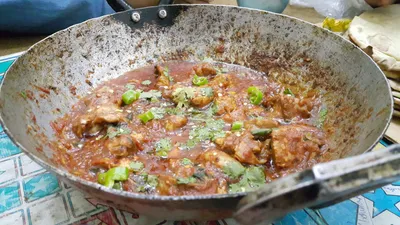
 Degchi
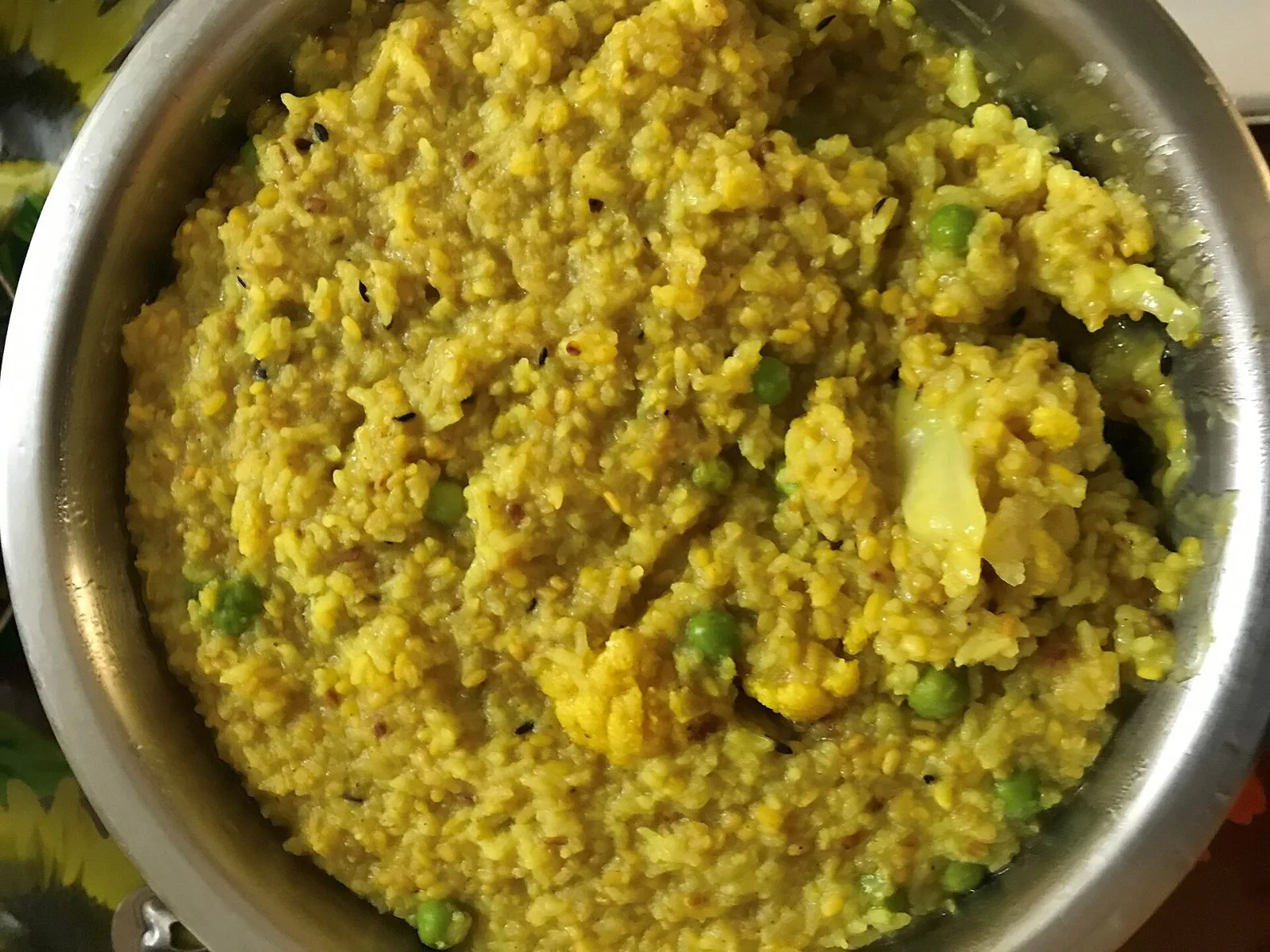
Photo: Rajeeb Dutta / CC BY-SA 4.0
Back From a Trip: How to Restock a Desi Kitchen Without Overbuying
The empty-kitchen problem
Many families travel for weeks at a time: to visit relatives, for Eid, for a long holiday, or for work. You come back tired, the jet lag has not worn off, and the kitchen has almost nothing fresh in it. The temptation is to order takeaway for several days or to do an enormous shopping trip that you will regret.
A calmer approach is to do a short check, buy a small first round of essentials, and plan only the first four or five days. This guide walks through it.
Step one: check what is safe
Before you plan anything, find out what is still good. Be cautious. If you are unsure about a food, throw it out. It is not worth the risk.
The fridge. Anything perishable left in the fridge for more than a few days should be reviewed carefully. Milk, yogurt, cooked leftovers, cut vegetables, open jars of fresh chutney and cut ginger-garlic paste are the usual suspects. Cooked leftovers should be eaten within three to four days according to USDA guidance, so anything cooked before you left is out.
Many cooks get this wrong with sealed items that are not shelf-stable. If a product says "keep refrigerated" and you were away for weeks, check the use-by date and look at its condition. If there is any sign of spoilage or an off smell, discard it. Date labels vary by country, so follow the label on the product.
The freezer. The USDA says food kept at a steady 0 F (-18 C) stays safe indefinitely, though quality drops over time. Check that the freezer has stayed frozen. If there was a power cut while you were away, look for signs that food thawed and refroze, such as ice crystals in odd shapes, pooled liquid or a collapsed package. When in doubt, throw it out.
The pantry. Dry goods such as rice, lentils, flour and spices usually keep well. Look for signs of pests (moths or tiny webs in flour and lentils), moisture, or a stale smell. Open packs of atta and besan are the most likely to attract insects.
Step two: take a quick inventory
Write down what you have. It does not need to be fancy. Walk through the kitchen once and note the staples that are present, low or out. Degchi uses a similar "have, low, out" idea, and you can do it on paper just as well.
Group it like this:
- Grains and flours: rice, atta, besan, pasta
- Lentils and beans: daal types, chickpeas, kidney beans
- Spices and masalas: cumin, turmeric, chili powder, garam masala
- Oils and basics: oil, ghee, salt, sugar, tea
- Tinned and frozen: tomatoes, peas, coconut milk
- Fresh: onion, garlic, ginger, tomatoes, herbs, milk, eggs, yogurt
Most of the first group will probably be fine, and the last group will be mostly empty.
Step three: buy in tiers
Resist the urge to buy everything at once. Shop in two or three rounds.
Round one (day of return, a small shop). Buy only what you need for the next two or three dinners and breakfast:
- Milk, yogurt and eggs
- Onions, tomatoes, potatoes, ginger and garlic
- Bread or flatbreads if you do not want to cook on day one
- A fresh vegetable or two
- Fruit
Round two (day three or four). Once you are rested, top up the staples that were low or missing and buy meat or fish for the weekend.
Round three (the following week). Fill in the pantry gaps, spices and anything that was out.
This keeps you from buying fresh produce you will not have the energy to cook. It also gives you time to see what you really use.
Step four: plan the first four dinners
Think about food that needs very little effort and relies on pantry items.
| Day | Idea | Why it works |
|---|---|---|
| Arrival night | Takeaway or eggs on toast | You are tired, so keep it easy |
| Day two | Khichdi with yogurt | One pot, pantry staples |
| Day three | Plain daal with rice | Comfort food, little prep |
| Day four | Aloo gobi with rotis or matar pulao | Uses fresh vegetables from round two |
You can swap in omelette with paratha, soup, or whatever your family prefers. The aim is to restart your cooking routine, not to produce a feast.
If you want a longer plan, our guide to five-ingredient dinners from the pantry has more options.
Step five: reset the shelves
A trip is a good excuse to tidy.
- Move older items to the front and put new items behind them.
- Combine half-empty packets of the same item, if they are clean and dry.
- Label jars with a date when you open them.
- Wipe the shelves and the fridge. A cold fridge is cleaner and runs better when it is not overcrowded.
- Check your fridge temperature. The USDA recommends keeping the fridge at or below 40 F (4 C). A cheap thermometer tells you more than the dial.
If you want more ideas for arranging your cupboards, see our guide to organising a pantry.
Step six: shop for next time
Before you leave on your next trip, spend ten minutes preparing for the return.
- Use up fresh produce and dairy in the week before you leave.
- Freeze bread, cooked rice portions and a couple of daal containers so you have something to eat on arrival. Label them with the date.
- Leave the fridge cleaned out and the freezer well stocked.
- Write a short return-day shopping list and keep it on the fridge.
This takes very little effort and makes the next return much easier.
What not to do
- Do not do a giant fresh shop on day one. You will not cook it all.
- Do not trust cooked leftovers left from before the trip. If in doubt, discard them.
- Do not skip the freezer check after a power cut.
- Do not restock everything. Most dry goods keep for a long time.
A quick note on the budget
Travel is expensive, and the first week back often involves unplanned spending. Planning the first week from what is already in your kitchen is one of the easiest places to save. A pot of daal and rice costs very little, and it brings the family back to a routine.
The restock in short
- Check fridge, freezer and pantry, and throw out anything doubtful.
- Take a quick have/low/out inventory.
- Shop in two or three small rounds.
- Plan four simple dinners.
- Reset the shelves and check the fridge temperature.
- Prepare a freezer meal for the next return.
A short, simple restock turns a stressful homecoming into a gentle first week, and you will be back to your usual cooking before you know it.
Related recipes


Related posts

Monthly Staples Run vs Weekly Fresh Run: What to Buy When
Rice, lentils and spices once a month, vegetables and dairy once a week. A split shopping plan with a checklist table you can copy.
Cooling, Storing and Reheating Rice and Daal Safely
Leftover rice and daal are the backbone of desi meal prep. A few simple habits keep them safe to eat.
What to Thaw Tonight: A Fridge Thaw Schedule for the Week
The 5 pm moment when the chicken is still a block of ice is a planning problem, not a cooking one. A simple night-before thaw schedule fixes it.
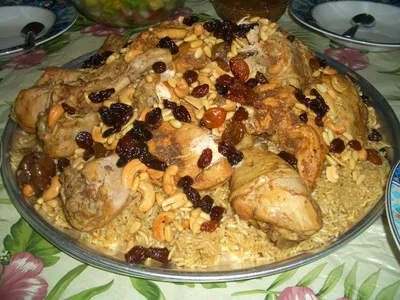
What to Do With Leftover Kabsa or Machboos
A pot of kabsa or machboos almost always makes more than a family eats. Here is how to store it safely and turn the leftovers into a second dinner that does not feel like leftovers.