 Degchi

Photo: Billjones94 / CC BY-SA 4.0
Meal Planning for Two-Income Families: A Realistic System for Desi Households
The real bottleneck is time and decisions
In a household where both partners work, the stove is not the problem. By 6 pm everyone has already made hundreds of decisions, and "what shall we cook?" feels like one too many. Add commuting, childcare pick-ups, and tired minds, and takeout wins by default.
A good plan does not need to be elaborate. It needs to cut decisions, divide the work fairly, and give you a fallback. This guide lays out one approach that many working South Asian families find manageable.
Step 1: Agree on who does what
Without a clear split, one person ends up carrying the mental load: remembering what is low, planning, shopping, and cooking. Sit down for ten minutes and split the jobs, not just the cooking.
| Job | Example split |
|---|---|
| Choosing the week's dinners | Partner A, Sunday |
| Writing the grocery list | Whoever is cooking that week |
| Shopping or ordering | Partner B |
| Weeknight cooking | Alternate days |
| Weekend batch prep | Do it together |
Swap roles every month so neither person gets stuck with the least enjoyable one. If grandparents or older children help, give them real tasks too, such as washing rice or setting the table.
Step 2: Plan five dinners, not seven
Do not plan every night. Two nights a week will usually go off-script because of work events, school activities, or leftover meals. Plan five and leave two flexible.
A simple weekly pattern:
- Night 1: Fresh cook. Something you enjoy, such as chana masala with rice.
- Night 2: Planned leftovers. Cook a double batch on Night 1 and serve it differently, for example with roti instead of rice.
- Night 3: Quick pot. Khichdi or daal with a simple side.
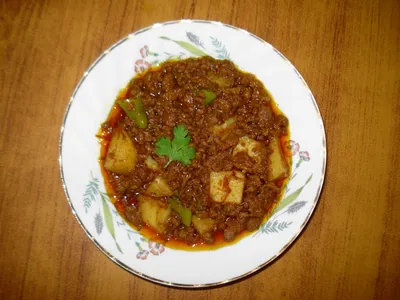
- Night 4: Fresh cook. Chicken or mince dish, like chicken handi or aloo keema.
- Night 5: Fast and fun. Egg dishes, wraps, or pantry cooking.
- Weekend: One flexible night, one eating out or leftovers.
Step 3: Cook once, eat twice
Cooking a double batch is the best time saver for working couples. The trick is to make the second meal feel different.
- Sunday's daal becomes Monday's daal paratha filling or a soup with a squeeze of lemon.
- A big pot of mince becomes keema on rice one night and keema wraps the next.
- Chickpeas from one night become chana chaat for lunch.
Keep it safe: cool leftovers quickly in shallow containers, refrigerate within two hours (one hour if the room is above 90°F or 32°C), and eat within three to four days. Reheat to 165°F (74°C). For anything you will not eat by day four, freeze it at 0°F (-18°C).
Step 4: Use a ten-minute prep window
You do not need a four-hour Sunday cook-up. A short prep session removes much of the weeknight friction.
- Chop onions and keep them in a covered container in the fridge for a few days.
- Make a batch of ginger-garlic paste, refrigerate a small jar, and freeze the rest in cubes.
- Rinse and soak lentils or beans.
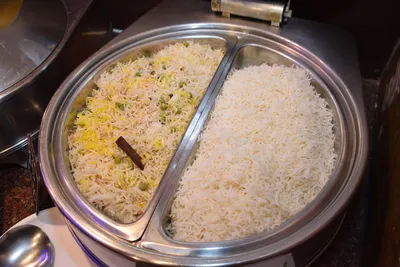
- Cook a pot of rice for two nights, cool it quickly, and refrigerate it promptly.
Rice needs care. Cool it fast, refrigerate within the same two-hour window, and eat within three to four days.
Step 5: Keep a rescue dinner
Every plan breaks sometimes. Choose one meal that needs only pantry staples and takes under 20 minutes. Many families pick khichdi, egg curry, or pasta with a simple sauce. Make sure the ingredients are always in stock. When a late meeting happens, you cook the rescue meal and feel no guilt.
Step 6: Shop once, top up once
A single weekly shop plus a small mid-week top-up for fresh vegetables and herbs works better than many small trips. Keep a running list on the fridge or a shared note. Whoever uses the last of something adds it right away. This habit alone cuts "we forgot the onions" moments.
Staples worth always having: onions, tomatoes (fresh or canned), garlic, ginger, rice, two kinds of lentils, canned chickpeas, eggs, yogurt, flour for roti, and your core spices.
Step 7: Involve the family in the decision
If you have children or other adults at home, let them choose one night each week. Choice reduces complaining and shares the mental load. Some households use a quick family vote on Sunday.
What to do when it goes wrong
- Sick child or late shift: Switch to the rescue dinner without apology.
- Unused fresh food: Move it to the next night's plan, or freeze it if it is safe to.
- Boredom: Add one new dish per fortnight, and drop one that nobody enjoys.
Where Degchi can help
Degchi is built around the question "what can we cook today?" You can track your pantry, see dishes you can make, run a quick family vote on dinner, and keep a shopping list drawn from items that are low or out. It is meant to remove the Sunday guesswork. A shared paper note does the same job if you prefer.
Recap
- Split the jobs, not just the cooking.
- Plan five dinners and leave two flexible.
- Cook a double batch and serve it differently.
- Keep a rescue dinner and the ingredients for it.
- Follow USDA storage and reheating guidance for leftovers.
Related recipes


Related posts

Planning Dinners Around a Gulf Work Week: Late Finishes, Hot Evenings and Family Weekends
Long commutes, hot evenings and a weekend that differs from home change how dinner works. Here is a calm weekly plan for Gulf households.

A School-Night Dinner Rotation for Desi Families (Five Dinners, No Daily Debate)
The hardest part of a school night is deciding, not cooking. A themed five-night rotation takes the decision away and still leaves room for variety.

Freezer-Friendly Pantry Staples: What to Keep Frozen for Fast Dinners
A freezer is a second pantry with a longer memory. Here is what earns its shelf space, how to portion it, and what to cook when you open the door tired.
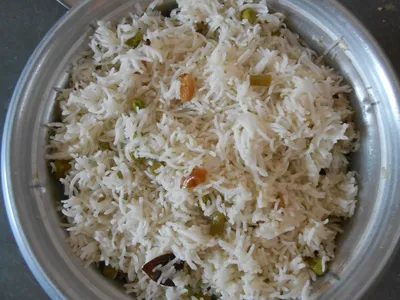
One-Pot Desi Dinners for Tired Evenings (Less Cooking, Less Washing Up)
One pot means one thing to wash. These rice-and-lentil style dinners get a full meal on the table with minimal fuss and very little cleanup.