 Degchi
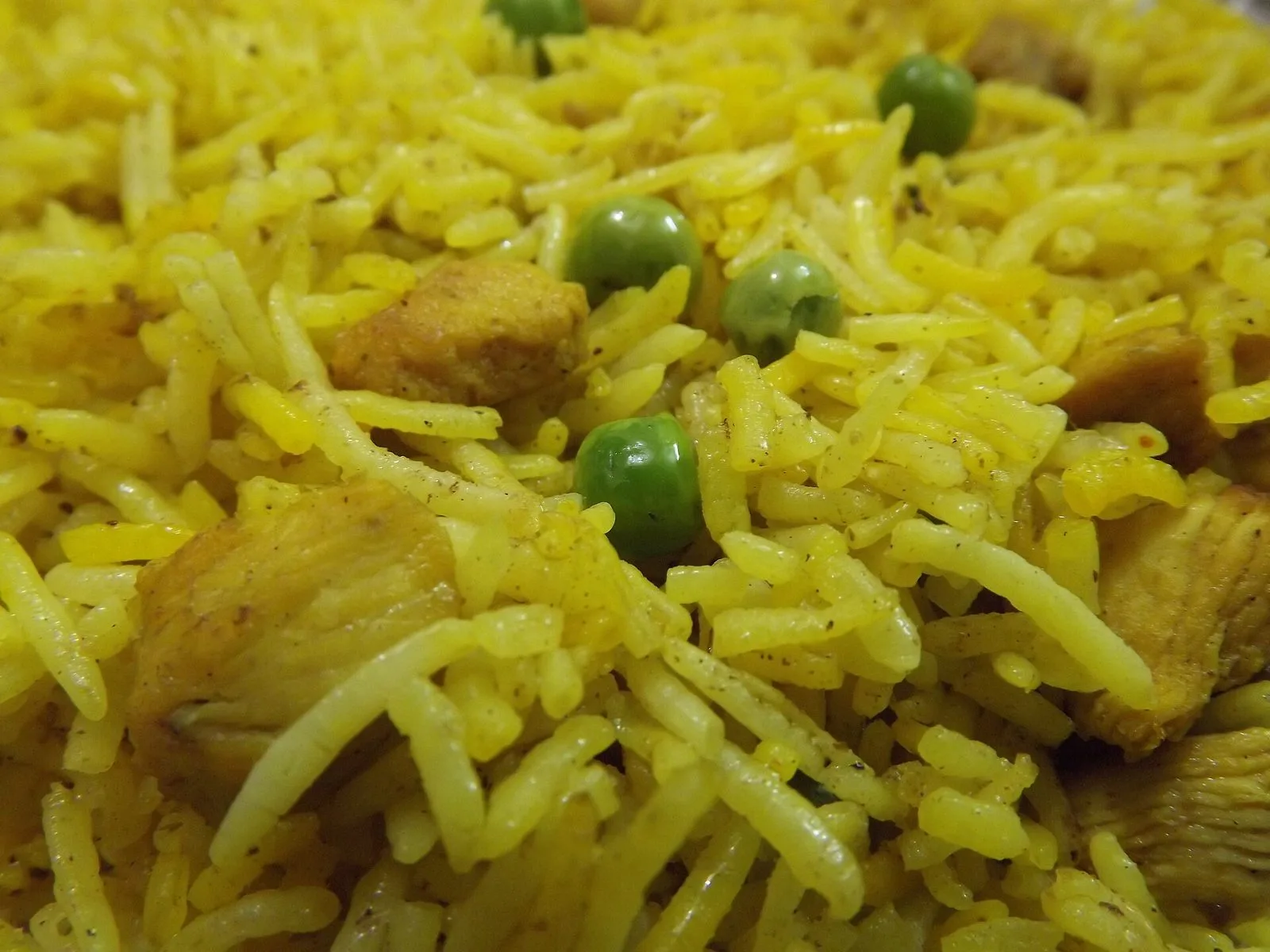
Photo: Sumit Surai / CC BY-SA 4.0
Planning Dinners Around a Gulf Work Week: Late Finishes, Hot Evenings and Family Weekends
A different rhythm
Families who live in the Gulf, whether recently arrived or settled for years, often describe a different daily rhythm from the one they grew up with. Work days can be long. Commutes can eat into the evening. Summer heat makes turning on the oven or standing over a hot stove less appealing. Weekends may fall on different days from your relatives overseas, which changes when the big family meal happens.
None of this is a problem to solve once. It is a rhythm to plan around. This guide offers a simple way to organize dinners so that the week feels manageable, and the weekend feels like a real break.
Know your own weekend
Weekend days vary between Gulf countries and have changed over the years, so check what applies where you live rather than assuming.
What matters for planning is this: the first free day is your cooking day. Treat it as the time for the big shop, the long-cooked dish and the batch of freezer meals. The second free day, if you have one, is for rest and a family meal that someone else helps cook.
Write your own week out starting from your first day off. It is easy to copy a plan designed for another country and find that it never matches your calendar.
Plan for the late finish
If you or your partner get home late, dinner needs to be quick to finish even if it took time to prepare.
Cook ahead on the day off. A pot of daal, a tray of marinated chicken or a ready masala base saves enormous time on weekday evenings. Our guide to the onion-tomato masala base shows a method that works well for this.
Choose one-pot dishes. A rice dish such as chicken pulao or matar pulao needs only one pot and gives you protein and carbohydrate together. Rice dishes also keep for a day in the fridge if cooled properly.
Keep the ten-minute backups. Eggs, flatbread, yogurt, cucumber and tinned chickpeas make a meal when the plan fails.
Cook for the heat
Hot weather changes what people want to eat and how they want to cook it.
- Prefer stove-top and one-pot cooking over long oven sessions during the hottest months.
- Cook in the morning or late evening if your kitchen warms up. A slow cooker or pressure cooker keeps heat down.
- Add cooling sides. Plain yogurt, raita, salad and fresh fruit balance a spicy main dish.
- Drink water with meals, and keep jugs of chilled water or buttermilk ready.
Food also spoils faster in warm conditions, so do not leave cooked dishes on the counter for long. Cool leftovers and refrigerate them promptly, and be even quicker if the room is very hot. Check your national food safety guidance for exact times.
A sample week
Here is a pattern you can adapt, assuming your first day off is a cooking day.
- Day off one: Big shop in the morning, then cook one large dish such as karahi for lunch and prepare a batch of daal and masala base for the week.
- Weekday one: Reheat daal, make fresh rice or flatbread.
- Weekday two: Rice and chicken one-pot dish, with salad and yogurt.
- Weekday three: A pantry dinner, such as egg curry with bread.
- Weekday four: Leftover day, or a simple takeaway if everyone is tired.
- Day off two: A relaxed family meal, with everyone helping, followed by a sweet like kheer if you like.
If your actual week looks quite different, adjust it. The structure of one big cooking day, a few easy weekday dinners and one flexible night is the part that matters.
Shopping when you are busy
Grocery shopping can be tricky when working hours are long. A few habits help.
- Plan the list before you go. Check your cupboards and write down what is missing.
- Shop once a week for the main items, and top up fresh produce midweek if needed.
- Use delivery or pick-up if it saves a tiring trip, but compare prices and check what is available in your area.
- Keep a stock of long-life staples such as rice, lentils, tinned tomatoes and frozen vegetables.
In Degchi, the shopping list builds from items you mark as low or out, so you can check it on your phone in the car park instead of walking the aisles from memory.
Share the work
If both adults work long hours, cooking cannot sit on one person alone. Divide the week into nights and assign them, or split the work by task: one person plans and shops, the other cooks. Older children can help with simple jobs. A shared cooking schedule makes this clearer and fairer.
Some families also use household help. If you do, a clear list of dishes and weekly menu makes the work easier for everyone. Be clear about food safety, storage and any dietary needs, and treat helpers with respect and fair pay.
Ramadan changes the plan
During Ramadan the day shifts completely. Work hours may be shorter, and iftar and suhoor become the main meals. If this applies to you, see our guides on a simple Ramadan meal plan for a busy family and the night-before suhoor routine.
Keep the family connected
The best part of a planned week is that it leaves room for the meals that matter. Choose at least one dinner a week when everyone sits down together without phones. If relatives live overseas, a weekly video call over tea can feel like a shared meal across time zones, even when time zones do not match.
Quick checklist
- Check your own weekend days and plan from the first day off.
- Cook ahead on the day off for the weekday evenings.
- Choose one-pot dishes and keep ten-minute backups.
- Adapt for heat with stove-top cooking, cooling sides and prompt refrigeration.
- Shop with a list and keep long-life staples at home.
- Share cooking and shopping across the household.
- Protect one shared meal each week.
A Gulf work week is demanding, but a little structure turns it from a scramble into a routine your family can rely on.
Related recipes


Related posts
Hosting a Desi Dinner Party Without Losing Your Mind: A Simple Timeline
A good dinner party is mostly decided before guests arrive. Choose a short menu, stage the work over three days, and keep one dish you can finish in minutes.

Weekly Dinner Menu for a Family of Five, One Long-Cook Night
Five people, seven dinners, one evening for slow cooking. A weekly menu that puts the long recipes on Sunday and keeps Monday to Thursday under 45 minutes.

Freezer-Friendly Pantry Staples: What to Keep Frozen for Fast Dinners
A freezer is a second pantry with a longer memory. Here is what earns its shelf space, how to portion it, and what to cook when you open the door tired.
The Ten-Minute Weekly Pantry Reset for a Busy Desi Family
Ten minutes a week keeps the pantry honest. Check, use up, plan and list, and the rest of the week gets easier.