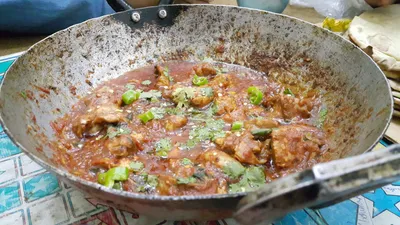
 Degchi

Photo: Affaf Ali / CC BY-SA 4.0
Who Cooks Which Night? A Fair Family Cooking Schedule for Desi Households
The quiet burden of cooking every night
In plenty of homes, one person does most of the cooking, often without ever having agreed to it. It becomes assumed. That person plans, shops, cooks, serves and cleans, and the rest of the household simply arrives at the table. It is rarely meant unkindly. It just never got discussed.
A cooking schedule makes the work visible and shares it. It does not have to be strict. Even a loose plan where each person owns one or two nights can lift a heavy load and teach useful skills along the way.
Start with a conversation, not a chart
Before you write anything down, talk. Ask each person:
- Which nights are you usually free?
- What can you cook confidently?
- What would you like to learn?
- What do you dislike doing, such as washing up or chopping?
Avoid turning this into a negotiation about who has been doing more. Frame it as making the week easier for everyone. People who feel heard are far more likely to stick with the plan.
Match the job to the person
Cooking nights do not all need to be equal. Think about what suits each person.
An experienced cook might take the complex dishes, such as a layered rice dish or a slow curry on a weekend.
A busy adult might take a quick night with a simple dish like anda curry or khichdi, which come together without much fuss.
A teenager can take one night with a recipe card and a supervising adult nearby. Aloo paratha is a fun weekend project that rewards practice.
An elder may prefer to guide rather than stand at the stove for long. Their knowledge is valuable, so let them direct a younger cook, tasting and correcting as they go.
A person who dislikes cooking can own the shopping, the washing up or the table setting instead. Fair does not mean identical.
A sample week
Every household is different, but here is one pattern to adapt:
- Monday: Quick dish, owned by the parent who finishes earliest.
- Tuesday: Leftovers or a simple pot of daal, with a rotating helper.
- Wednesday: The second parent cooks something they enjoy.
- Thursday: Teen night, with a recipe chosen the day before.
- Friday: Family favorite, cooked together if possible.
- Saturday: Flexible. Eat out, order in or cook something fun.
- Sunday: The big meal, prepared in a team, with leftovers for Monday.
This is only an illustration. If you have a three-person household or four generations under one roof, your version will look different.
Agree on the small rules
A schedule survives when the rules are simple and clear.
- The cook chooses the menu, within reason, so the job feels like theirs.
- Choose by the day before, so the pantry can be checked and shopping done.
- Swaps are allowed if you find someone to take your night and tell the household.
- Cleaning is part of the job. Decide whether the cook washes up or whether someone else does, and stick to it.
- No criticism of the cook. A grateful "thank you" matters more than a note about the salt.
These rules protect the mood at the table, which matters as much as the food.
Helping children take part
Children as young as six or seven can help with washing rice, setting the table or stirring a pot under supervision. As they grow, they can take on more.
- Give each child a regular small task rather than occasional big ones.
- Let older children pick a dish and help plan the ingredients.
- Keep knife work age-appropriate and always supervised.
- Praise effort rather than perfection. A lopsided paratha is still a paratha.
Cooking skills learned at home stay with children for life, and they give young people a stronger sense of belonging in the family routine.
Plan the shopping alongside the schedule
A cooking schedule falls apart if the cook discovers on the day that the key ingredient is missing. Whoever owns a night should be able to see what is in the pantry and add what they need to a shared list.
In Degchi, you can assign roles within a family and everyone can see what is available, low or out of stock. A shared shopping list means a teenager can add the missing onions without asking a parent to check the cupboards. If you want to see how to make the list work for the whole household, read A shared grocery list for the whole family.
What to do when the plan breaks
It will. Someone gets sick, works late or simply cannot face the stove. Have a fallback ready:
- A "no-cook night" with leftovers or a simple pantry meal.
- A short list of five-minute dinners, such as eggs and toast or lentil soup from a freezer portion.
- A rule that the person who needed the swap takes the next free night.
Flexibility keeps the schedule alive. A plan that bends is better than one that breaks and gets abandoned.
Review after a month
After a few weeks, hold a short review. Which nights went well? Which felt like a struggle? Did anyone feel overloaded? Adjust the plan accordingly. It is meant to serve the household, not the other way round.
Quick checklist
- Talk first and chart second.
- Match nights to people's skills and time.
- Include children and elders in ways that suit them.
- Set simple rules about menus, swaps and cleaning.
- Keep a shared list so the cook can see what is in the pantry.
- Have a fallback for the nights when the plan fails.
- Review after a month and adjust.
When cooking is shared, dinner stops being one person's duty and goes back to being what it was meant to be: something a family does together.
Related recipes




Related posts

What to Cook Today With What's in Your Fridge
You don't need a grocery run to make dinner. Here's a repeatable method for turning whatever is already in your fridge and pantry into a real meal — plus four recipes to get you started tonight.
Hosting a Desi Dinner Party Without Losing Your Mind: A Simple Timeline
A good dinner party is mostly decided before guests arrive. Choose a short menu, stage the work over three days, and keep one dish you can finish in minutes.
Desi Mains: Which Suit Lunch and Which Suit Dinner?
Most desi mains work at either meal, so the real question is time and weight. Here are 20 dishes sorted by how long they take and when that time actually exists.

One Sunday Pot of Daal, Three Different Dinners
One pot of plain daal can become a soup, a dry-ish side and a quick khichdi. Here is how to stretch a single batch across the week.