 Degchi
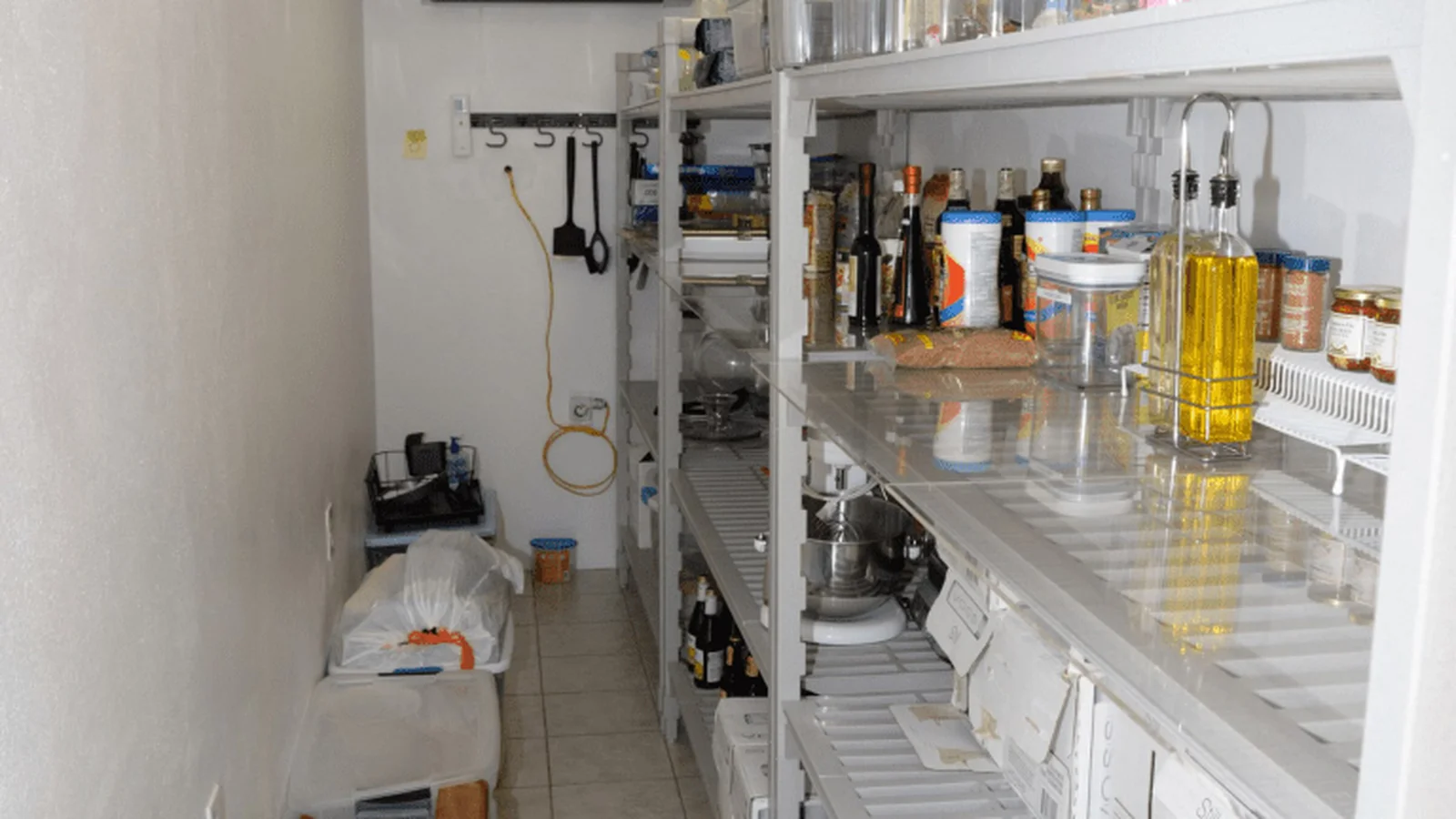
What to Cook Today With What's in Your Fridge
The question every kitchen asks every evening
"Aaj kya pakayein?" — what do we cook today? — is asked in some form in almost every home, every single day. Most of the time the honest answer isn't "let's go buy ingredients for a specific recipe." It's "let's see what's already here." Pantry-first cooking is simply making that second answer easier and more reliable, so a half-used bag of spinach, three eggs and yesterday's leftover rice turn into dinner instead of waste.
This matters more than it sounds. The UN Food and Agriculture Organization estimates that roughly a third of all food produced for human consumption is lost or wasted somewhere along the chain, and a large share of that happens inside ordinary homes — vegetables that wilt in the crisper, dairy that turns before it's used, bread that goes stale on the counter. Cooking from what you already have isn't just cheaper; it's the single easiest way to cut your own household's food waste without changing how you shop.
A five-minute method, not a strict recipe
You don't need a meal-planning spreadsheet. You need a short, repeatable pass through your kitchen before you decide what to cook.
1. Open the fridge and name what you see, out loud or on paper
Not "vegetables" — specifically what's there: half a bunch of coriander, two tomatoes going soft, a small bowl of leftover daal, a quarter-pack of paneer. Vague categories hide the thing that's about to spoil; specifics surface it.
2. Sort into "use today," "use this week," and "shelf-stable"
Anything cut, cooked, or past its peak firmness goes in "use today." That's your starting point for tonight's dinner, not an afterthought garnish.
3. Pick one anchor and one direction
Every dish needs an anchor — a protein, a starch, or a vegetable doing the main work — and a direction, meaning the cuisine or flavour base you're leaning into (desi masala, a simple stir-fry, a yogurt-based curry). Once you fix those two things, the rest of the dish mostly fills itself in from staples: onion, garlic, ginger, oil, salt, and whatever dried spices you keep on hand.
4. Fill gaps from the pantry, not the market
A good pantry does most of the heavy lifting: rice, lentils (daal), atta, oil, onions, garlic, basic spices (haldi, lal mirch, dhania-zeera, garam masala), and something acidic like tomatoes, lemon, or yogurt. If you have these on hand, almost any vegetable or small amount of protein turns into a complete meal.
Matching what's in the fridge to a dish shape
A few patterns cover most "what's in the fridge" situations:
- Wilting vegetables + onion + spices → a sabzi. Spinach, cauliflower, okra, or bottle gourd all work the same basic way: fry the base masala, add the vegetable, cover and cook until soft.
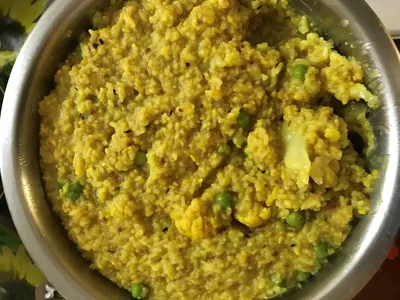
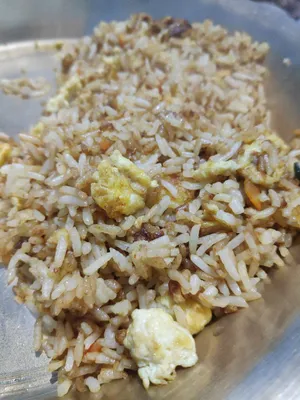
- Leftover rice or a small amount of daal → khichdi or fried rice. Leftover plain rice is one of the most useful things in a fridge — it turns into Khichdi with a handful of lentils, or Egg Fried Rice with a couple of eggs and whatever vegetables need using.
- A few eggs + leftover vegetables → a curry or omelette. Eggs are the most forgiving pantry protein — they take on almost any masala and cook in minutes.
- Odds and ends of vegetables → a mixed sabzi or daal. When nothing alone is "enough," combine two or three small quantities into one dish rather than cooking them separately. A classic Daal happily absorbs a handful of spinach or a chopped tomato that's on its way out.
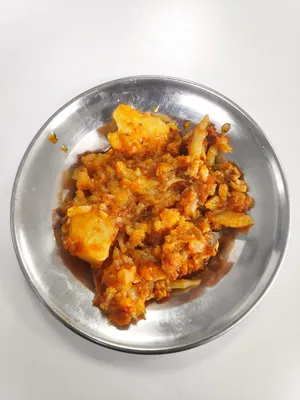
- A single vegetable, nothing else fresh → a dry sabzi with pantry staples. Aloo Gobi needs only potato, cauliflower, and spices you likely already keep — no last-minute shopping required.
Building a pantry that makes this easy
Pantry-first cooking only works if the pantry is actually stocked with the right basics, not a lot of specialty items you'll use once. A useful core list for most South Asian kitchens: rice, atta, two or three kinds of daal, cooking oil, onions, garlic and ginger, tomatoes (fresh or tinned), yogurt, eggs, and a small set of spices — haldi, lal mirch powder, dhania-zeera powder, garam masala, and whole cumin or mustard seeds for tempering. With that base covered, almost any vegetable or small protein you bring home becomes a full dinner rather than a single-use ingredient.
Letting the app do the matching for you
This is exactly the gap Degchi's Pantry and recipe-matching were built to close. Mark what's in your kitchen as "Hai" (have it), "Kam" (running low) or "Khatam" (out), and the app surfaces recipes you can actually cook tonight — not a wish list of dishes that need a trip to the market first. It also keeps a running shopping list made up only of what's Kam or Khatam, so the next grocery run restocks exactly what you're missing instead of guessing.
FAQ
How do I know if a vegetable is still safe to cook with?
Trust your senses before the calendar: a vegetable that's gone soft, slightly wrinkled, or lost its usual firmness is usually still fine to cook (heat fixes most texture issues), but anything with a sour smell, visible mould, or sliminess should be thrown out rather than risked.
What if I genuinely have almost nothing in the fridge?
Lean on the pantry itself — a plain daal-chawal or khichdi needs only lentils, rice, and the basic masala staples, no fresh vegetables at all, and it's one of the most common "nothing in the house" dinners across South Asian homes for exactly this reason.
Is pantry-first cooking only useful for saving money?
Money is one benefit, but the bigger one for most families is time and decision fatigue — not having to decide between "cook something new" and "use up what's already there" every single evening.
Can this work for family cooking, not just one person?
Yes — the same method scales by quantity, not complexity. A family pantry pass just means naming what's on hand across a bigger fridge, then scaling the anchor dish (more rice, more daal, an extra vegetable) rather than cooking multiple separate meals.
Related recipes

Related posts
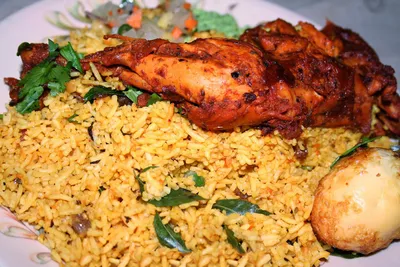
Desi Dinner Theme Nights: A Weekly Rhythm That Ends the Daily Debate
The hardest part of dinner is deciding. Fix the category for each night and the daily question shrinks from "what?" to "which one?".
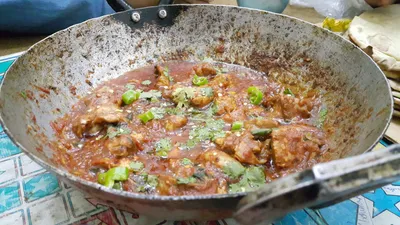
Hosting a Desi Dinner Party Without Losing Your Mind: A Simple Timeline
A good dinner party is mostly decided before guests arrive. Choose a short menu, stage the work over three days, and keep one dish you can finish in minutes.
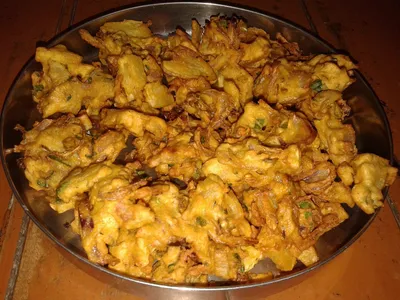
Leftover Bread Slices: Five Desi Ways to Use a Stale Loaf
Half a loaf going hard is a common kitchen problem. Five uses that actually work in a desi kitchen, with timings, and what not to do with mouldy slices.

What Can I Cook With Minced Meat (Keema)? 8 Dishes and Safe Handling
Minced meat is the fastest meat in the freezer. Eight dishes from our recipes, from a 40-minute shimla keema to chapli kabab, with safe temperatures and storage.