 Degchi
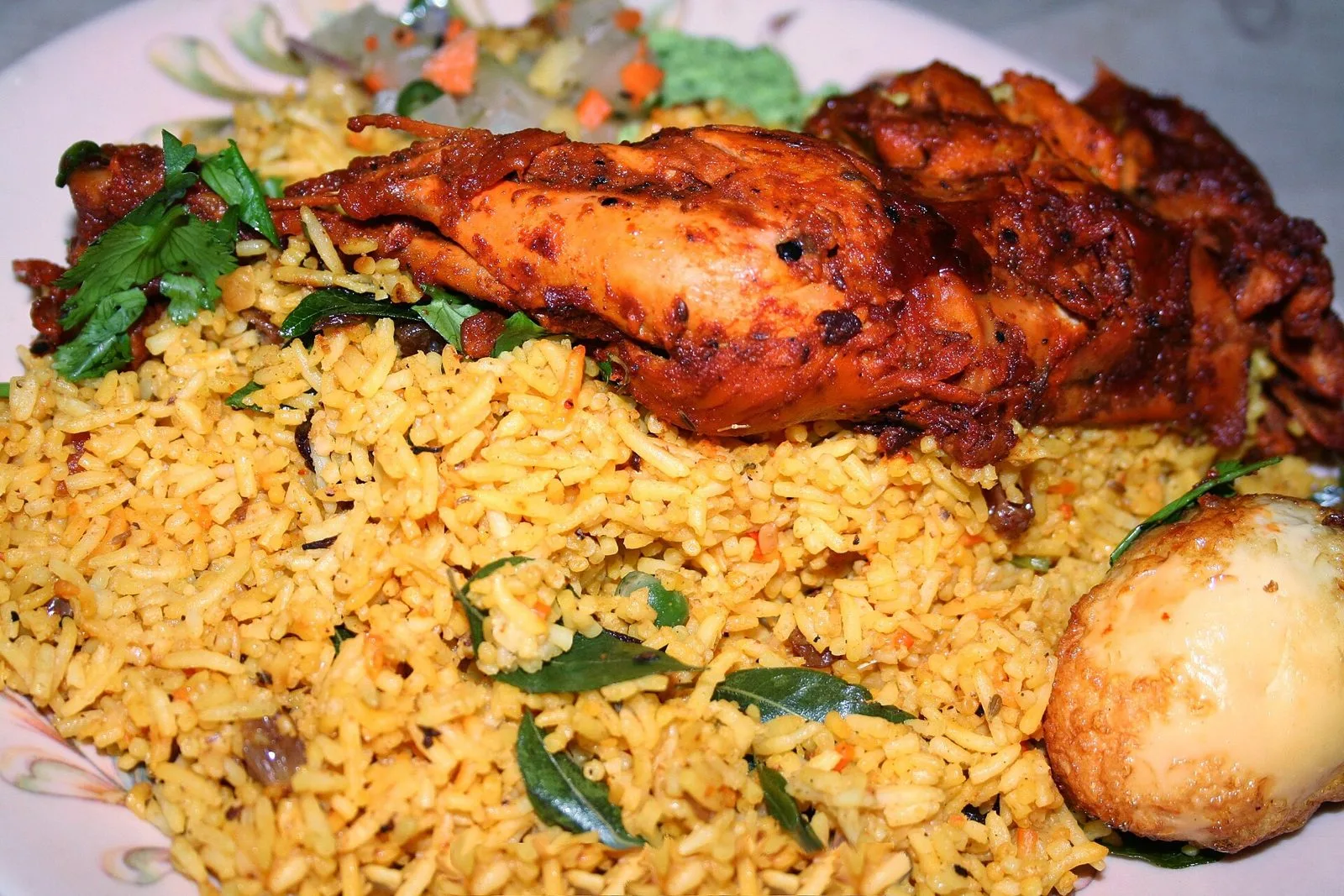
Photo: Shehal / CC BY-SA 4.0
Desi Dinner Theme Nights: A Weekly Rhythm That Ends the Daily Debate
The question that eats the evening
"Aaj kya pakayein?" is a short sentence that takes a lot of time to answer. By 5 pm, the cook has usually looked at the fridge three times, thought of five dishes, rejected four of them, and is no closer to starting. Most of that time is spent choosing, not cooking.
A theme-night week fixes the category and leaves the dish open. Monday is daal, Tuesday is a bean or chickpea night, and so on. You are not committing to a rigid menu. You are shrinking a choice among a hundred dishes to a choice among five. Restaurants have done this for decades with "Taco Tuesday". Desi homes tend to do it by habit (Friday biryani, Sunday paratha) without writing it down.
The seven nights
Here is a rhythm for a family of four, with a real recipe from our library for each slot and the time written in the recipe.
| Night | Theme | Example dish | Time in the recipe |
|---|---|---|---|
| Mon | Daal and rice | Daal (red lentils) | 15 min prep, 30 min cook |
| Tue | Beans or chickpeas | Rajma | 15 min prep, 60 min cook, plus soaking |
| Wed | Quick one-pot | Khichdi | 10 min prep, 30 min cook |
| Thu | Karahi night | Chicken karahi | 15 min prep, 30 min cook |
| Fri | Rice special | Chicken biryani | 30 min prep, 75 min cook |
| Sat | Stuffed bread | Aloo paratha | 25 min prep, 15 min cook |
| Sun | Fried and snacky | Pakoray with chai | 10 min prep, 15 min cook |
The weekday nights are the fast, forgiving ones. The long dishes land on the evenings when someone has time. Friday biryani is rated Hard in our library and needs about an hour and a half of cooking, so it sits where a cooking-friendly evening already exists in most households. Adjust to your own week.
Why the nights work
Soaking gets scheduled for free. Rajma needs an overnight soak (or at least 4 hours, per the recipe). If Tuesday is bean night, Monday evening is soaking time and it becomes a habit, not a scramble.
Shopping follows the pattern. Once the themes are fixed, the staples barely change: lentils, beans, rice, flour, onions, tomatoes, one protein. You buy the fresh parts twice a week and the dry goods once a month.
Everyone knows what to expect. Children learn that Wednesday is khichdi, so the "I do not want that" moment tends to come earlier, in a planned way, rather than at the table. We cannot promise it ends complaints, but it moves the conversation.
Keep the themes loose
A theme is not a recipe. Some ways to keep it interesting:
- Daal night can be masoor one week, chana daal the next, and mash daal after that. Harder lentils need soaking and longer cooking, so use them on a night you are home early.
- Bean night can swap between rajma, chana masala and lobia curry.
- Karahi night can be chicken, or a vegetable karahi on the week you want less meat. For chicken, the safe internal temperature is 74 C (165 F); in the karahi recipe, the cooking continues until the oil separates and the chicken is cooked through, so you can check a thick piece with a thermometer.
- Rice special can alternate between biryani and chicken pulao, which has a gentler method.
A swap rule for the nights that go wrong
Some nights fall apart: a late meeting, a missing ingredient, a sick child. Build in one swap rule so the plan survives. A sensible one is "any night can trade places with khichdi". It uses rice, lentils and a few spices, cooks in about 40 minutes, and almost every kitchen has the ingredients. Then slide the missed dish into the next free evening instead of dropping it.
Include the household in the choosing
If more than one person cooks or eats, the theme keeps the peace. Let each person own one night and choose the dish for it. In our recipe library, a family dinner vote can settle a close call, and the longer approach is in our post on fair family dinner vote rules. The result is that nobody carries the whole decision every day.
Leftovers fit the pattern too
Daal and bean dishes keep well; the rajma recipe itself says it tastes better the next day. Keep cooked food in the fridge within 2 hours, eat within three to four days, and reheat until steaming hot. Cooked rice has a shorter limit, around one day in the fridge, and should be cooled within about an hour. If Monday's daal is big enough to cover Tuesday's lunch, you have saved a dish.
Printing the plan
Write the seven themes on a card and stick it on the fridge. Under each, list three dishes your household likes, so there is always a choice but never a blank page. A month in, you will probably have three or four themes that stick and two that you replace. That is the point. Degchi's try-out page lets you mark what is in your kitchen and see which theme-night dishes are within reach before you shop.
Where to start tomorrow
- Choose just the three nights you struggle with most.
- Fix a theme for each and write down three dishes.
- Check what the first one needs tonight, including any soak.
- Run it for two weeks, then adjust.
Recipes with chickpeas Recipes with flour
Related recipes




Related posts
Desi Mains: Which Suit Lunch and Which Suit Dinner?
Most desi mains work at either meal, so the real question is time and weight. Here are 20 dishes sorted by how long they take and when that time actually exists.

The Ten-Minute Weekly Pantry Reset for a Busy Desi Family
Ten minutes a week keeps the pantry honest. Check, use up, plan and list, and the rest of the week gets easier.

Weekly Dinner Menu for a Family of Five, One Long-Cook Night
Five people, seven dinners, one evening for slow cooking. A weekly menu that puts the long recipes on Sunday and keeps Monday to Thursday under 45 minutes.
Dinner Planning When Nobody Eats at the Same Time: A Shift-Work Plan for Desi Families
When one person works nights and another finishes at nine, "dinner at seven" stops working. Here is a plan that keeps everyone fed without cooking three times.