 Degchi
Fair Family Dinner Votes: Simple Rules That Keep the Peace
Why a vote can backfire
A family dinner vote sounds like an easy fix. Ask everyone, count the answers, cook the winner. In practice, a poorly run vote creates new problems. The loudest person wins every time. Children always vote for the same food. Elders feel ignored. The cook ends up making three dishes because nobody liked the result.
A fair vote is less about counting and more about a few shared rules. Set them up once and the process runs on its own.
Decide who votes
Start by deciding who is in. In many South Asian and Gulf households, that is a wide group: parents, grandparents, teenagers, younger children, sometimes a helper or relatives who are staying for a while.
A good starting rule is that everyone who eats the meal gets a vote, with a few adjustments:
- Young children can vote, but their choices carry the same weight as everyone else's, not more. If a toddler wants only fries, that is one vote.
- Guests are usually welcome to share an opinion, but the household decides.
- People who are out that evening, because of work or travel, can skip the vote for that day. It is unfair to count the preferences of someone who will not be eating.
Say this out loud once. Written rules, even on a sticky note, prevent arguments later.
Limit the options
An open question like "what do you want?" gets an answer like "anything." Voting works best when the choices are small and real.
Offer three to five dishes, drawn from what you can actually make tonight. Mix types: one quick option, one family favorite, one vegetable dish, one wildcard. This keeps the vote practical and stops people from picking dishes that need ingredients you do not have.
Checking your kitchen first helps. If there is no yogurt or no rice, do not offer dishes that need them. Degchi's family vote works from your pantry and your recipes for this reason, but a sheet of paper on the fridge door does the same job.
Choose a voting method
You do not need anything formal. Pick one of these and stay with it for a few weeks.
- Show of hands. Fast, but easy to influence. Fine for small households.
- Private votes. Each person messages or writes their choice before the results are revealed. This protects quiet people from being swayed by louder ones.
- Like, neutral, dislike. Instead of choosing one dish, each person marks every option. This reveals dishes that nobody hates, which is often the better dinner than the one with the most enthusiastic fans.
The third method is particularly good for families with picky eaters. A dish that three people love and two people dislike may be a poorer choice than one that everyone finds acceptable.
Handle dislikes fairly
A fair approach is a majority rule with a safety net.
- A dish where more people dislike it than like it should not be the main dinner.
- Allergies, medical needs and religious restrictions are not votes. They are limits. Never put these to a vote.
- A strong personal dislike deserves a small accommodation, not a full veto. Offer a simple side the person enjoys.
This is also how Degchi handles it: a dish that more members dislike than like is not suggested, though it still appears in an "Others" section with a label so nobody feels it has been hidden. You can use the same idea at home. Dishes that lose the vote are not banned. They simply wait for a better night.
Break ties without drama
Ties will happen. Agree on a tie-breaker before you need one, so it does not feel personal.
- The cook decides. The person doing the work has the final say.
- The person who lost last time wins this time. A simple fairness rule that children understand.
- Combine. If the options are compatible, make a half-and-half meal, such as rice with two small dishes.
Avoid breaking ties by volume or by who argues longest.
Make sure the same dish does not always win
If everyone loves one dish, it will win every week. This is where a variety rule helps. Try one of these:
- A dish that was cooked in the last four or five days is not available.
- Each person can use a "veto" once a week.
- One night a week is a "no vote" night, such as leftovers or the cook's choice.
Variety is not just about boredom. A week built entirely around the three most popular dishes can lean heavily on one kind of food, such as fried food or only rice and chicken. Mixing in some vegetables, daal and chana masala tends to even things out without a lecture.
Include kids in a way they can handle
Children enjoy a say, and it can improve how they eat. A few ideas that work:
- Offer two choices rather than five. Too many options overwhelm younger children.
- Let a child choose the vegetable side or the dessert, even if the main dish is decided by the group.
- Let a child help cook the dish they chose. They are more likely to eat it.
Do not turn the vote into a bribe, and do not make every meal a negotiation. Our post on letting kids vote on dinner goes into more detail.
Respect elders and different diets
Many households include a grandparent who eats softer food, a family member who is diabetic, or someone who is vegetarian several days a week. A good vote rule makes room for this without singling anyone out.
- Always include at least one option that fits the most restricted diet at the table.
- Make sure there is a simple side or base that everyone can share, such as rice and yogurt.
- Check medical advice with a doctor rather than guessing. This post is not medical advice.
If the family includes people with allergies, treat allergen safety as a fixed rule outside the vote.
Keep the vote short
The point of voting is to make dinner easier, not to create another chore. A vote should take a minute or two. If your household finds it taking longer, simplify: fewer options, an earlier deadline, or a rule that silence means "I am happy with whatever wins."
Set a closing time. For example, the vote closes at noon, and after that the cook decides. Degchi can open and close a dinner poll on a schedule you choose, but a shared chat group with a clear deadline works well too.
Review the rules now and then
After a few weeks, ask the family what is working. Maybe the kids want more say. Maybe the cook finds the vote adds stress. Rules should serve the household, not the other way around.
The vote rules, short version
- Decide who votes, and who is out that day.
- Offer three to five realistic options.
- Use private votes or like, neutral, dislike for fairness.
- Treat allergies and medical needs as limits, not votes.
- Agree a tie-breaker in advance.
- Add a variety rule so one dish does not always win.
- Close the vote at a fixed time.
A fair vote does not guarantee that everyone is happy every night. It does mean that everyone feels heard, and that is what keeps the dinner table peaceful.
Related recipes




Related posts

Ending the "What's for Dinner?" Argument in a Desi Household
The hardest part of dinner is often the decision, not the cooking. A few small rules can take the daily argument out of it.
How to End the "I Don't Know, What Do You Want?" Dinner Argument
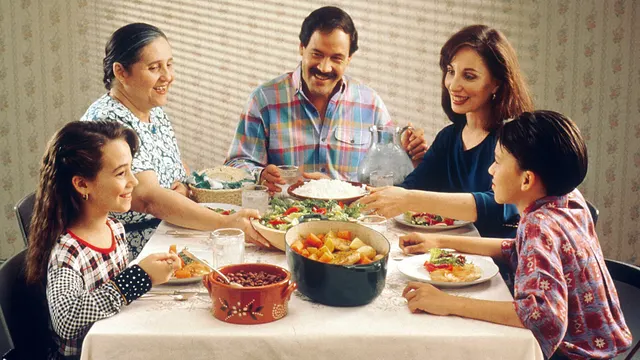
Deciding what to cook can take longer than cooking. A small, fair voting routine fixes it, and it works for families of two or twelve.