 Degchi
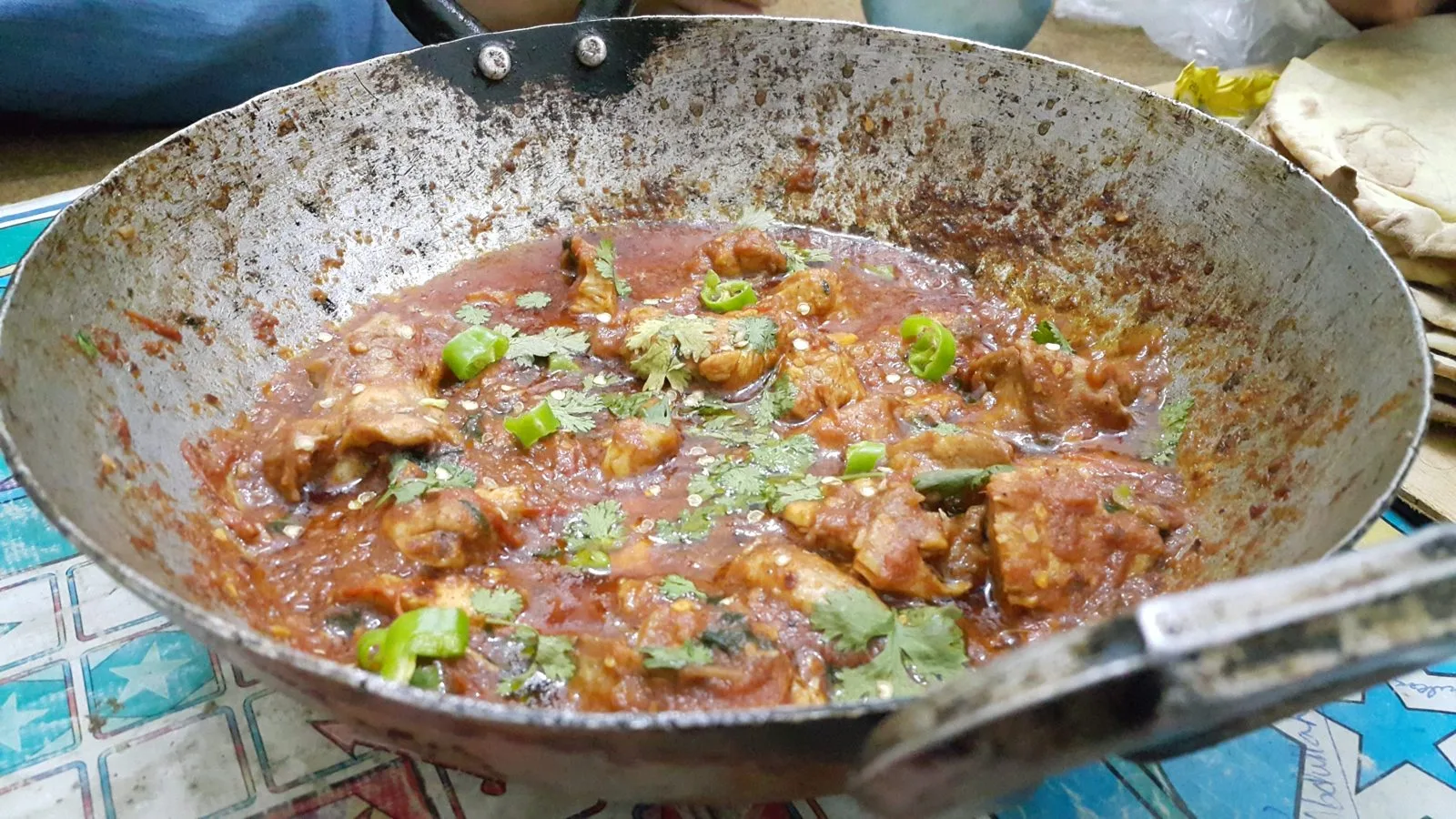
Photo: Kskhh / CC BY-SA 4.0
Desi Mains: Which Suit Lunch and Which Suit Dinner?
Ask a Pakistani family whether biryani is a lunch or a dinner dish and you will get two firm answers. Ask what actually decides it and the answer is usually not tradition. It is the clock. At lunch you have 30 minutes. On Sunday evening you have three hours. That is the useful way to sort desi mains by meal type.
Our recipe library tags almost all of these dishes as suitable for both lunch and dinner. So instead of inventing a rulebook, this post sorts dishes by something that is in the data: prep plus cook minutes.
Lunch candidates: ready in about 40 to 45 minutes
These come straight from our recipe data (prep plus cook time, in minutes):
| Dish | Prep + cook |
|---|---|
| Dal tadka | 10 + 30 |
| Daal | 15 + 30 |
| Bhindi masala | 15 + 25 |
| Kadai paneer | 15 + 25 |
| Matar paneer | 10 + 25 |
| Karahi | 15 + 30 |
Each one can be on a plate in under 45 minutes, with rice or roti. If you cook before work or need to pack a lunchbox, start here. Dry or thick-gravy dishes such as bhindi masala travel better than thin curries.
The middle band: about an hour
| Dish | Prep + cook |
|---|---|
| Keema matar | 15 + 45 |
| Chana daal | 15 + 45 |
| Daal mash | 10 + 40 |
| Chicken pulao | 20 + 50 |
| Chicken qorma | 15 + 50 |
| Dal makhani | 15 + 50 |
These are weekend lunches or weeknight dinners when you start by 6:00. Lentils and pulao are forgiving: they hold well on a low flame and taste better when you eat them 20 minutes after they are ready, not the second they are done.
Dinner and weekend projects: 80 minutes or more
| Dish | Prep + cook |
|---|---|
| Kofta curry | 30 + 50 |
| Chicken biryani | 30 + 75 |
| Aloo gosht | 15 + 90 |
| Nihari | 20 + 260 |
| Haleem | 20 + 265 |
Nihari, which our data also marks as a breakfast dish, and haleem need over four hours of cooking. They only fit a day when someone is home to stir. Starting nihari at 2:00 pm gets dinner on the table at around 7:00 pm, and the leftovers are good the next day.
Heaviness matters as much as time
Time is only part of it. Two other factors decide which meal a dish suits.
- Afternoon energy. A heavy meat gravy with ghee, followed by a work meeting, is a rough combination. Many people prefer lighter lentil or vegetable dishes midday and save the rich ones for the evening. That is a preference, not a rule.
- Reheating. If lunch is heated in an office microwave, choose dishes that survive it: lentils, qorma, keema. Rice dishes work if the rice is cooled quickly after cooking and refrigerated, then reheated until steaming hot.
Using the clock instead of the label
A short method that avoids arguments:
- Decide how many minutes you actually have between getting home and sitting down.
- Pick from the matching time band above.
- Check you have the ingredients.
- If the family disagrees, take it to a vote instead of a debate. Our post on ending the "what's for dinner" argument covers how.
A sample week
| Day | Meal | Pick |
|---|---|---|
| Mon | Dinner | Dal tadka, rice (40 min) |
| Tue | Lunchbox | Bhindi masala, roti (40 min) |
| Wed | Dinner | Karahi (45 min) |
| Thu | Dinner | Keema matar (60 min) |
| Fri | Lunch | Chicken pulao (70 min) |
| Sat | Dinner | Chicken biryani (105 min) |
| Sun | Dinner | Nihari, started early (280 min) |
Nothing here is a health plan or a promise of calories. It is just the clock turned into a menu. The Degchi app and the pantry view on the home page can match what is in your kitchen to dishes like these, and the lunch and dinner mains hub on the site lists more.
Two cooks, one pot: sharing the load
Many households split the work: one person starts the pot, another finishes it. The clock sorting above helps here too. A 25-minute dish such as matar paneer needs one person who will be home at 6:30 pm. A 4-hour nihari needs someone who can look at it every 30 minutes or so, and can add water when it tightens. Deciding who owns which time window removes half the evening friction.
When lunch is the big meal
In some families lunch is the main meal and dinner is light, and the sorting flips. Then biryani, pulao and qorma move up to midday, and the lunch list becomes a dinner list of daal, bhindi and simple vegetables. Our recipe data does not pick a side. Use the same minutes, and swap the meal.
Pairing the main with a side
A short main can carry a longer side. Dal tadka at 40 minutes can sit next to a rice you start at the same time. A 70-minute pulao needs only a raita and salad. Keeping the sides simple is how a 45-minute main stays a 45-minute dinner, instead of turning into a two-hour project because of one extra pot.
Recipes with paneer Recipes with lentils
Related recipes
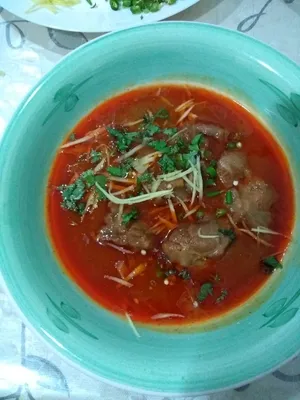
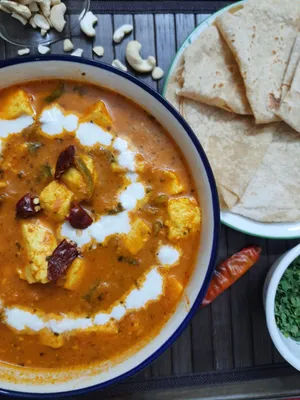
Related posts
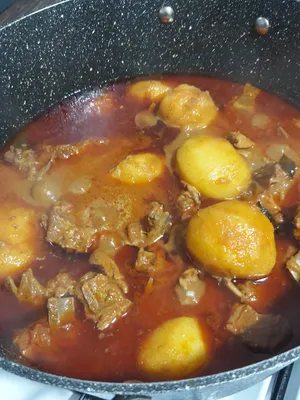
Weekly Dinner Menu for a Family of Five, One Long-Cook Night
Five people, seven dinners, one evening for slow cooking. A weekly menu that puts the long recipes on Sunday and keeps Monday to Thursday under 45 minutes.
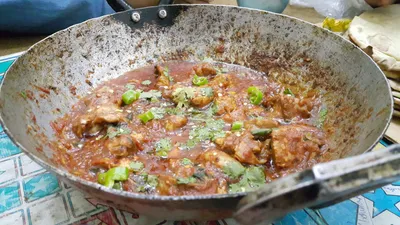
Dinner Planning When Nobody Eats at the Same Time: A Shift-Work Plan for Desi Families
When one person works nights and another finishes at nine, "dinner at seven" stops working. Here is a plan that keeps everyone fed without cooking three times.
What to Cook Today With What's in Your Fridge
You don't need a grocery run to make dinner. Here's a repeatable method for turning whatever is already in your fridge and pantry into a real meal — plus four recipes to get you started tonight.
Planning Dinners Around a Gulf Work Week: Late Finishes, Hot Evenings and Family Weekends
Long commutes, hot evenings and a weekend that differs from home change how dinner works. Here is a calm weekly plan for Gulf households.