 Degchi
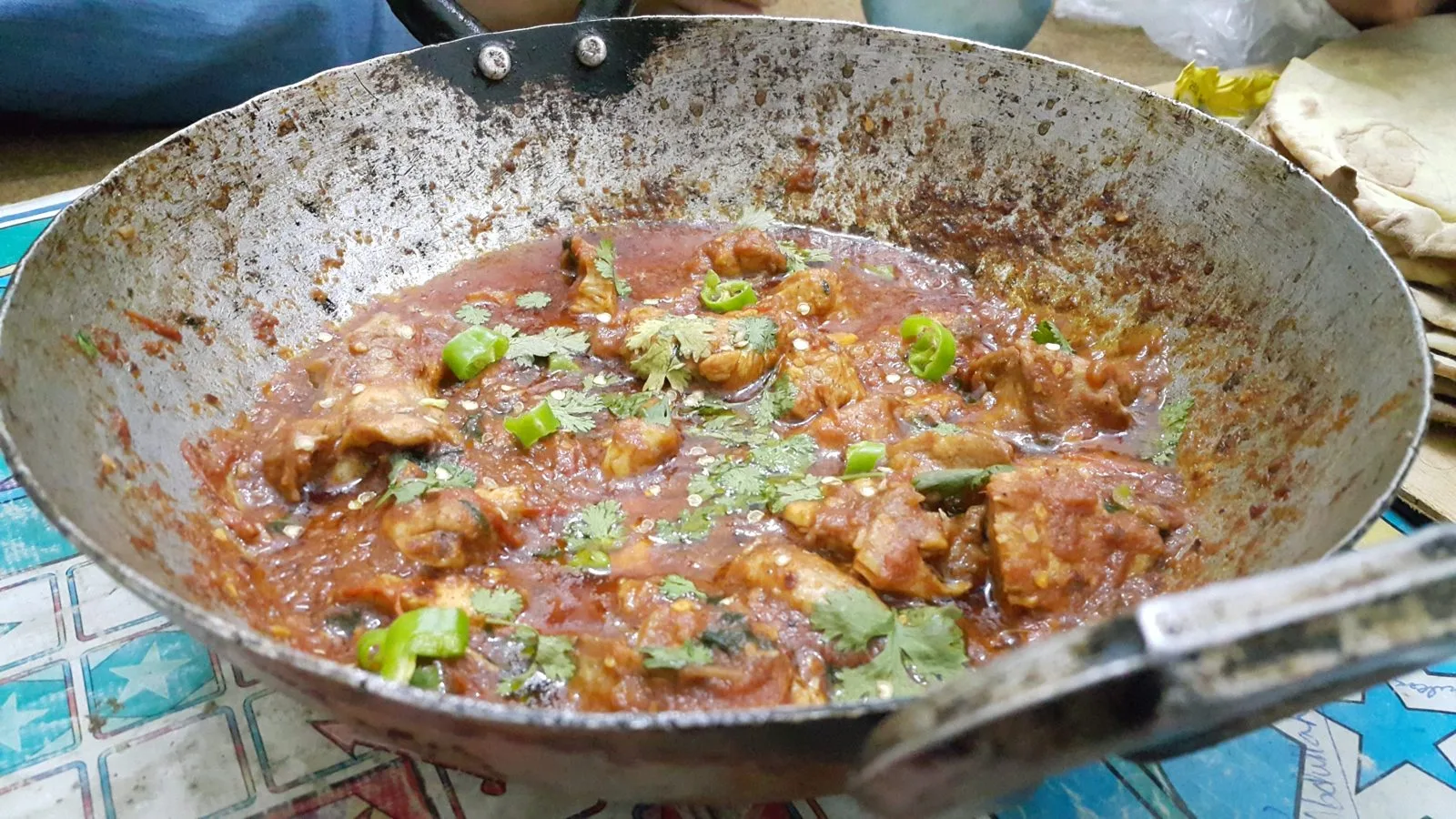
Photo: Kskhh / CC BY-SA 4.0
Dinner Planning When Nobody Eats at the Same Time: A Shift-Work Plan for Desi Families
When dinner is not one meal
In many desi households dinner is the event of the day. Everyone sits together and eats from the same pot. That works well until someone starts shift work, or two people have different commutes, or a parent is on call. Suddenly the seven o'clock meal is for half the house and the other half eats cold leftovers standing at the counter.
The answer is not to cook three separate dinners. It is to plan so that one cooking session feeds several eating times, and to protect at least a few shared meals each week. This guide covers how to do both.
Start with a one-page schedule
Before choosing dishes, write down who is home when. A simple table on paper or a shared note is enough:
- Who is at work or on shift on each day.
- Who will be home for dinner and at roughly what time.
- Who needs a packed meal to take with them.
- Any day when nobody can cook.
Look at the whole week at once. You will usually spot a pattern, such as two evenings when everyone is home and three when schedules split. Plan your best, most social dinner for the evenings when everyone is there, and your most reheat-friendly dishes for the rest.
Choose dishes that wait well
Not every dish survives being kept warm for two hours. Some curries improve when they sit, others turn dry or lose their texture.
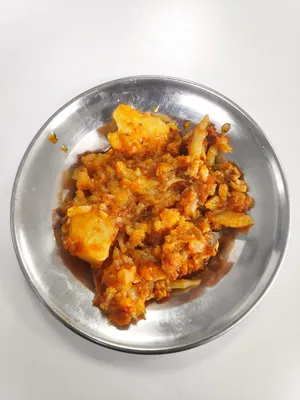
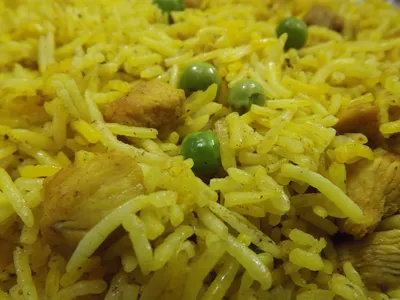
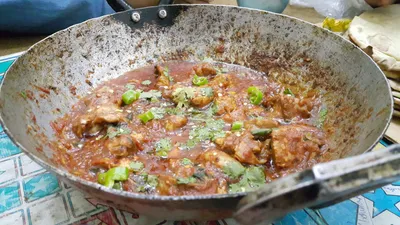
Good keepers. Dishes with a thick sauce and slow-cooked flavor tend to reheat well. Daal, many chicken curries such as karahi, and vegetable dishes like aloo gobi all hold up. Rice dishes such as chicken pulao and khichdi reheat well with a splash of water.
Poor keepers. Fresh rotis and parathas are best hot. Fried snacks go soft. Anything with a delicate fresh garnish loses its appeal. If you want these on the table, make them for the shared meals only, or keep dough ready to cook in minutes.
A simple trick is to separate the quick-to-finish parts from the long-cooked parts. Cook the curry in advance, then make fresh rotis or heat rice when each person arrives. It takes ten minutes instead of an hour.
Cook once, serve in stages
Here is a pattern that fits many households.
- Cook the main dish in the early evening or on a rest day.
- Serve the first group straight from the pot.
- Pack plates or containers for those who will eat later, so nobody has to dish up in the dark.
- Put the rest in the fridge promptly. Do not leave cooked food out for long, and be quicker in hot weather. Check your national food safety guidance for exact times.
Label the container with the name and the day. A strip of masking tape and a marker means a tired person coming home at midnight knows what they are reheating and how old it is.
Reheat properly
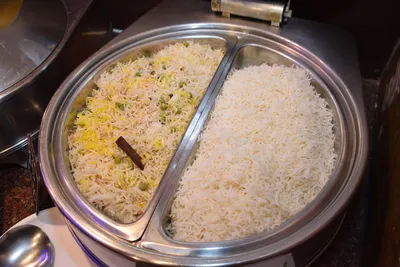
Late meals are often reheated, so it is worth doing it right. Reheat until the food is steaming hot all the way through, not just warm on top. For rice, reheat only what you will eat, and avoid keeping cooked rice warm for long periods or reheating it more than once. Our guide to cooling, storing and reheating rice and daal safely covers the details.
Protect a few shared meals
Everyone needs time at the table together, even if only a few evenings. Pick the days when schedules overlap and treat those as fixed. A weekend lunch can count as the family meal if weekday dinners are impossible. The point is not that every meal is shared, but that the shared ones are planned, not left to chance.
If the household argues about what to cook on shared evenings, a quick vote helps. See fair family dinner votes for simple rules.
Packed meals for the person on shift
The person leaving for a night shift needs food that travels. Think of dishes that eat well at room temperature or reheat in a microwave:
- Rice and daal in a container with a tight lid.
- Dry vegetable dishes and wraps.
- Boiled eggs, fruit and nuts for a snack.
Pack a spoon or fork and a napkin. It is a small thing that makes the meal feel cared for. If your family likes the idea of a routine, put the packing step on a shared list so one person is responsible for it each night.
Keep the pantry matched to the plan
Shift schedules change often, so keep a few "no-plan" meals in the pantry: lentils, rice, eggs, frozen peas and a jar of ready masala base. That way a sudden change does not mean takeaway. If you track your stock, a quick look at what is low on Sunday tells you what to buy before the week gets busy. In Degchi, you can mark items as have, low or out, and the shopping list builds itself from that.
A weekly check-in
Spend five minutes on the same day each week, perhaps Sunday evening, to talk through the next seven days:
- Whose schedule changed?
- Which nights will have a shared dinner?
- Who is cooking on which day?
- What do we need to buy?
Keep the conversation short and friendly. A short, regular check-in beats a long planning session that nobody enjoys.
Be kind about the odd hours
Eating alone at an odd hour can feel lonely. A message from the family, a plate left ready or a note on the container helps more than it seems. Cooking for people who cannot join you is still a way of sitting with them.
Quick checklist
- Write down who is home and when, for the whole week.
- Plan social dinners for overlap days and reheat-friendly dishes for the others.
- Cook the long parts ahead and finish the fresh parts at serving time.
- Pack and label plates, and refrigerate cooked food promptly.
- Reheat until steaming and treat rice with extra care.
- Hold a five-minute weekly check-in.
One pot, several plates, and a bit of planning. That is usually enough to keep a mixed-schedule family eating well.
Related recipes

Related posts
Nearly Empty Pantry? A Three-Day Dinner Plan Before the Next Grocery Run
The day before payday or a big shop, the cupboards look bare. Here is a three-day plan that turns what is left into real dinners.
Shared Student Kitchen Meal Plan: One Shelf, Four Dinners
Two hob rings, one shelf, five housemates. A student meal plan built around what fits in your space and which dishes need only one pan.
What to Thaw Tonight: A Fridge Thaw Schedule for the Week
The 5 pm moment when the chicken is still a block of ice is a planning problem, not a cooking one. A simple night-before thaw schedule fixes it.
Cooling, Storing and Reheating Rice and Daal Safely
Leftover rice and daal are the backbone of desi meal prep. A few simple habits keep them safe to eat.