 Degchi
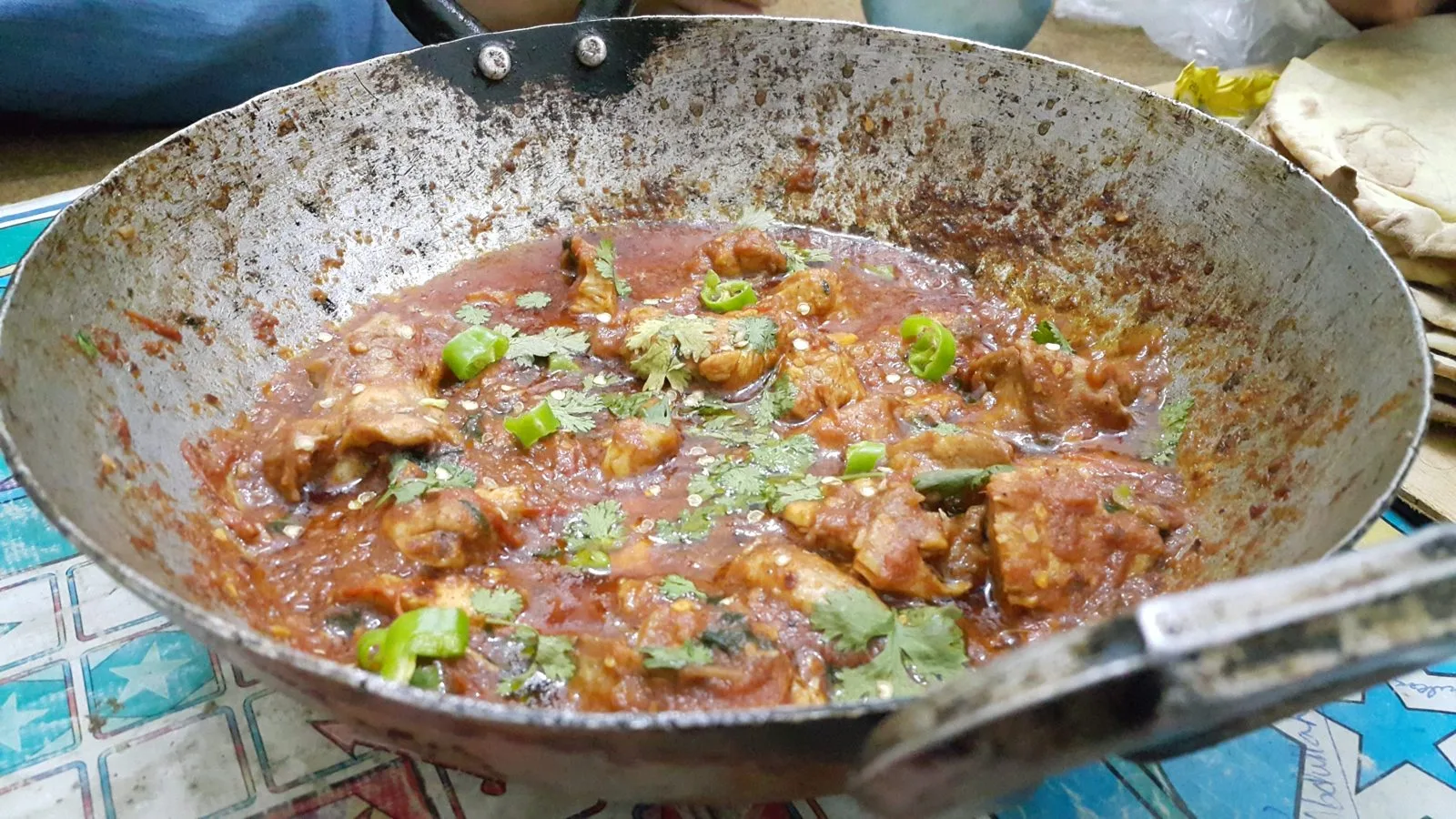
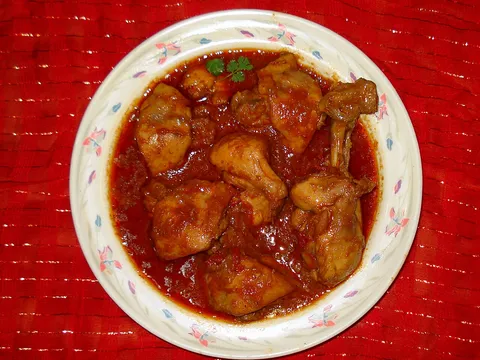
Photo: Kskhh / CC BY-SA 4.0
Hosting a Desi Dinner Party Without Losing Your Mind: A Simple Timeline
Hospitality should not mean exhaustion
In many South Asian homes, a guest is never allowed to leave hungry. That generosity is lovely, but it often turns into six dishes, three desserts and a host who has not sat down all evening. You can be generous and still enjoy your own party. The secret is a shorter menu and a timeline.
Choose a menu with a rule: one, two, one
A simple structure keeps the number of dishes manageable.
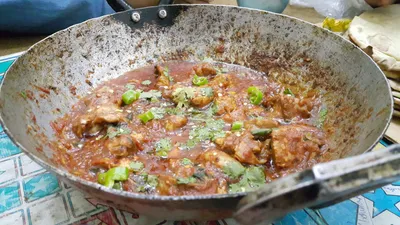
- One main that is the centerpiece, such as a chicken karahi or seekh kababs.
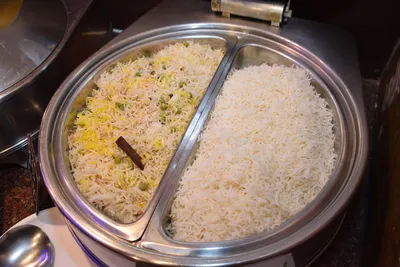
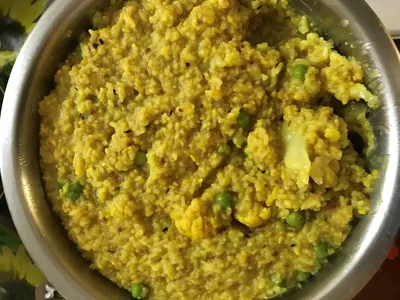
- Two sides: a rice dish such as matar pulao and a lentil or vegetable dish such as daal.
- One dessert that is made in advance, such as kheer.
Add a starter only if you have time, and keep it cold or fresh, like chana chaat. Serve it with salad, yogurt raita and some bread. That is a full table. Most guests prefer a few dishes made well over a crowded table of average ones.
Before you commit, ask your guests about allergies, dietary needs and spice tolerance. Some may be vegetarian, avoid certain meats or dislike heat. A small plate of plain yogurt on the table helps every spice level.
The timeline
One week before
- Decide the menu and the number of guests.
- Check the pantry for staples: rice, lentils, spices, oil, tea, sugar.
- Write the shopping list. If you track your pantry in Degchi, items marked Low or Out go straight onto the list.
Three days before
- Buy non-perishables and anything for the freezer.
- Clean and clear the fridge so there is room for the prepared dishes.
- Order or collect meat from the butcher.
Two days before
- Buy fresh vegetables, herbs, dairy and bread.
- Make anything that improves with time or freezes well. A lentil dish often tastes better the next day.
- Marinate meat that needs a long marinade, keeping it covered in the fridge.
The day before
- Make the dessert and chill it.
- Chop onions, tomatoes, and herbs, and store them in containers.
- Mix spice blends and measure them into small bowls.
- Set the table, check you have enough plates, and place serving spoons in the serving dishes.
- Prepare the raita base and keep it cold without the salt (salt makes cucumber watery).
The day itself
- Take the meat out of the fridge to lose its chill about 30 to 45 minutes before cooking, but do not leave it out for hours.
- Start the dish that takes longest first.
- Cook rice at the last moment if you can, because it is quick, or make it ahead and reheat with a splash of water.
- Heat the daal gently and add a fresh tadka just before serving.
- Fry or grill kababs after guests arrive if the smell and sizzle are part of the fun, or cook them earlier and warm them in the oven.
Timing the meal backward
Work out when you want to eat, then work backward. If dinner is at 8:00 pm:
| Time | Task |
|---|---|
| 5:00 pm | Final chopping, set out serving dishes |
| 5:45 pm | Start the main curry |
| 6:45 pm | Prepare rice, warm the daal |
| 7:30 pm | Greet guests, serve drinks and a starter |
| 7:45 pm | Cook kababs or breads, keep dishes warm |
| 8:00 pm | Serve |
These times are an example. Adjust them to your recipes and your oven. Recipe pages in Degchi list the total time and have a guided cook mode with timers, which helps you track several dishes if your hands are busy.
Keeping food hot and safe
Hot food should stay hot and cold food cold. Keep cooked dishes covered and warm in a low oven (around 200 °F or 90 °C) if there is a wait. Do not leave cooked rice or meat on the counter for hours. If food has been out for a long time, throw it away rather than saving it. Refrigerate leftovers promptly.
Let guests help, a little
Most guests want to help. Give them a task that is easy and low risk: pouring water, carrying bread, or making the chai at the end. Accepting help is part of hospitality too, and it takes pressure off you.
What to do when something goes wrong
Something usually will: the rice sticks, the curry is too salty, or a guest arrives an hour early. Prepare a few rescue moves.
- Too salty: add a little more of the unsalted base ingredient, such as tomato, or a spoonful of yogurt, and serve with plain rice.
- Too spicy: serve cooling yogurt and extra rice.
- Running late: serve the starter and drinks, and let the conversation fill the time. Nobody counts the minutes.
- Not enough food: keep a frozen backup, like bread or a pot of daal, in reserve.
After the party
Pack leftovers in small containers, label them, and send some home with guests if they want. Write a short note about what worked and what did not: which dishes disappeared, which came back, and how long the prep took. Next time, the planning will be faster.
Quick recap
- Use the one-two-one menu: one main, two sides, one dessert.
- Spread the work across three days.
- Cook backward from the serving time.
- Keep hot food hot and cold food cold.
- Let guests help, and let yourself sit down.
A relaxed host is the best seasoning. Your guests will remember the conversation more than the number of dishes.
Related recipes




Related posts
Shared Student Kitchen Meal Plan: One Shelf, Four Dinners
Two hob rings, one shelf, five housemates. A student meal plan built around what fits in your space and which dishes need only one pan.
Dinner Planning When Nobody Eats at the Same Time: A Shift-Work Plan for Desi Families
When one person works nights and another finishes at nine, "dinner at seven" stops working. Here is a plan that keeps everyone fed without cooking three times.

Ending the "What's for Dinner?" Argument in a Desi Household
The hardest part of dinner is often the decision, not the cooking. A few small rules can take the daily argument out of it.
What to Cook Tonight When Everyone Says "Anything"
The most common answer to "what should I cook?" is "anything", and then nobody likes what you make. Six decision rules that end the 5 pm standoff in two minutes.