 Degchi
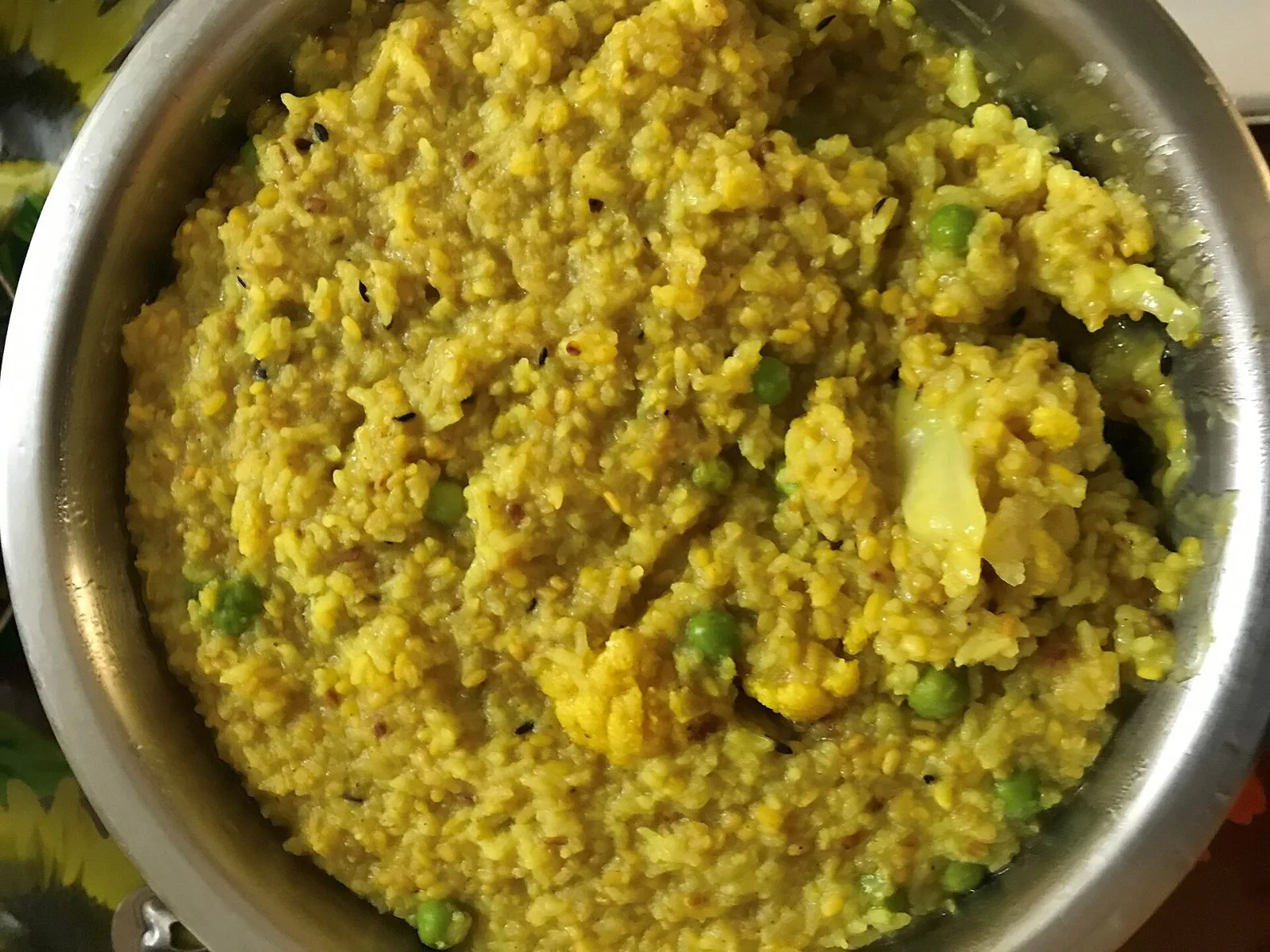
Photo: Rajeeb Dutta / CC BY-SA 4.0
A School-Night Dinner Rotation for Desi Families (Five Dinners, No Daily Debate)
The problem is the decision, not the cooking
On a school night most of us are not short of skill. We are short of energy at 5:30 pm. Homework is half done, someone needs a lift, and the question "what should we eat?" lands on whoever walked in the door last. By the time an answer arrives, it is late and the quickest option wins, which is often not what anyone wanted.
A rotation fixes this by making the decision once. You do not need a rigid calendar. You need a short list of dinner types, each tied to a night, with a few real dishes under each type. Then the question becomes "what is Tuesday's type?" and that is much easier to answer.
Pick themes, not exact dishes
A theme is a loose category. It tells you what to shop for and roughly how much effort is involved, but it leaves you free to choose the dish on the day. Here is a rotation that works for many South Asian households in the US and UK.
| Night | Theme | Effort | Example dishes |
|---|---|---|---|
| Monday | Lentil and rice | Low | Khichdi, daal with plain rice |
| Tuesday | Rice one-pot | Medium | Chicken pulao, matar pulao |
| Wednesday | Dry curry and flatbread | Medium | Aloo keema, bhindi masala |
| Thursday | Bean or chickpea night | Low | Chana masala, rajma |
| Friday | "Fast and fun" | Low | Egg fried rice, omelettes, leftovers |
Notice that the two lowest-effort nights sit on Monday and Thursday. That is deliberate. Put your easiest themes on the days when your family's schedule is heaviest. If swimming practice is on Wednesday, swap Wednesday and Monday. A rotation is a tool, not a rule.
Why this structure works
It makes shopping predictable. If Monday is lentil night, you always need lentils and rice. If Thursday is chickpea night, you always need canned or dried chickpeas. Your weekly grocery trip stops being a fresh puzzle every time.
It spreads the protein. Across the five nights above you get lentils, chicken, minced meat or vegetables, chickpeas or beans, and eggs. That variety happens almost by accident because each theme points in a different direction.
It gives children something to expect. Kids who know "Thursday is chana night" often complain less than kids who face a surprise. You can also give them a small say within the theme: "Do you want rajma or chana this week?"
It handles the leftovers. Friday is your flexible night. If Tuesday's pulao made extra, Friday becomes leftover night with a fried egg on top. Nothing is wasted and nobody cooks from scratch at the end of the week.
Build your own rotation in four steps
- List what your family already eats. Write down ten dishes everybody will actually finish. Do not add ambitious new recipes yet.
- Group them by effort. Mark each dish low, medium or high based on how long you honestly spend at the stove, including chopping.
- Assign themes to nights. Put low-effort dishes on your busiest days. Leave one night open for leftovers or takeout.
- Write three dishes per theme. Three is enough. You always have a backup if an ingredient is missing.
If you cook for a household with different tastes, keep one component constant and change the rest. For example, the same pot of daal can sit beside rice for the children and a spicier tarka or pickle for the adults.
Keep a "rescue" dinner
Every rotation needs a rescue meal for the night that falls apart. Choose something you can cook from the pantry without shopping: khichdi is a classic because it needs only rice, lentils, and basic spices. Keep those ingredients in stock at all times and a bad evening never ends in an expensive order.
Let the schedule flex around real life
Some weeks a rotation will fail. A late meeting, a sick child, or a school event will shift everything. That is fine. The point is that you have a default to return to. If Monday's dinner slides to Tuesday, move the whole rotation down one night, or simply skip the theme and pick whatever your pantry supports.
A few habits keep it from feeling rigid:
- Review the plan on Sunday for two minutes, not twenty.
- Swap any night freely, but keep the shopping list in mind.
- Retire dishes that nobody enjoys, and add new ones slowly, one a fortnight.
Where Degchi can help
If you want the rotation to live somewhere other than your head, Degchi is built around the question "what can we cook today?" You can track what is in your pantry, see which dishes you can make with it, and let family members vote on dinner so the decision is shared rather than falling on one person. The recipe pages also let you change servings and switch between metric and US measurements. You do not have to use an app for any of this, though. A paper note on the fridge does the same job if that suits your household.
A quick checklist
- Five themes, one per school night, with the easiest on the busiest days.
- Three dishes under each theme.
- One rescue dinner that needs only pantry staples.
- A two-minute Sunday review.
- Permission to swap nights when life gets in the way.
Start with one week. If the first rotation feels too tight, loosen a theme. If it feels too loose, name the dishes. After a month you will have a rhythm that your family can follow with almost no discussion, and that is the real goal: fewer decisions, more time at the table.
Related recipes

Related posts
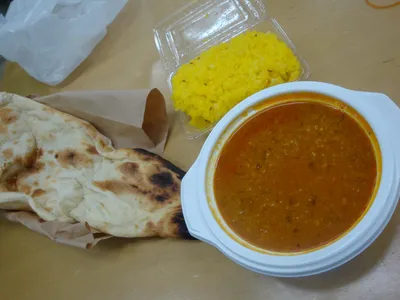
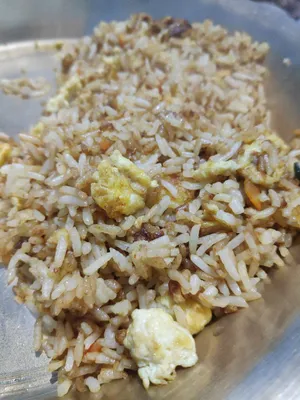
Desi Slow-Cooker Meals: What Works, What Doesn't, and How to Adapt
A slow cooker suits lentils, beans, and tough cuts of meat beautifully. Here is how to adapt desi dishes so the flavour still tastes like home.
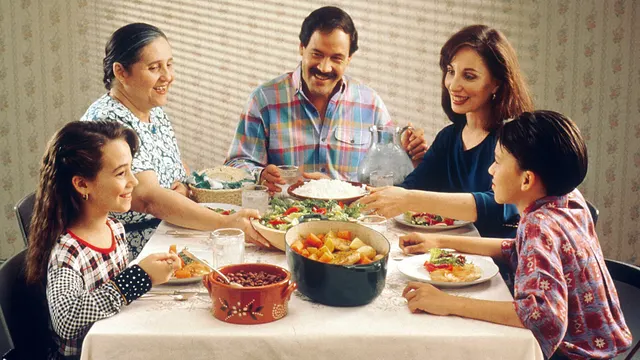
How to End the "I Don't Know, What Do You Want?" Dinner Argument
Deciding what to cook can take longer than cooking. A small, fair voting routine fixes it, and it works for families of two or twelve.
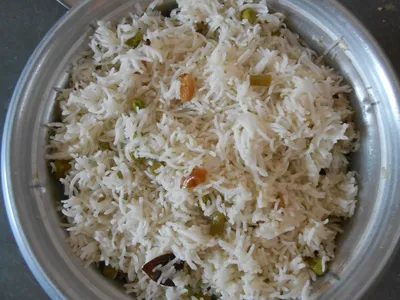
One-Pot Desi Dinners for Tired Evenings (Less Cooking, Less Washing Up)
One pot means one thing to wash. These rice-and-lentil style dinners get a full meal on the table with minimal fuss and very little cleanup.
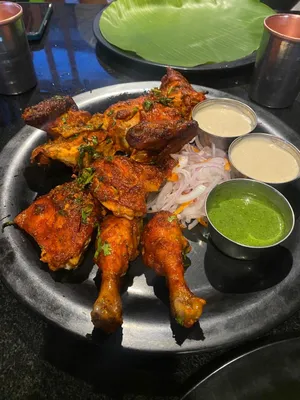
Desi Weeknight Dinners in the Air Fryer: What to Cook and What to Skip
An air fryer will not replace your karahi, but it handles tikka, kebabs, and roasted vegetables quickly. Here is how to use it for desi food.