 Degchi
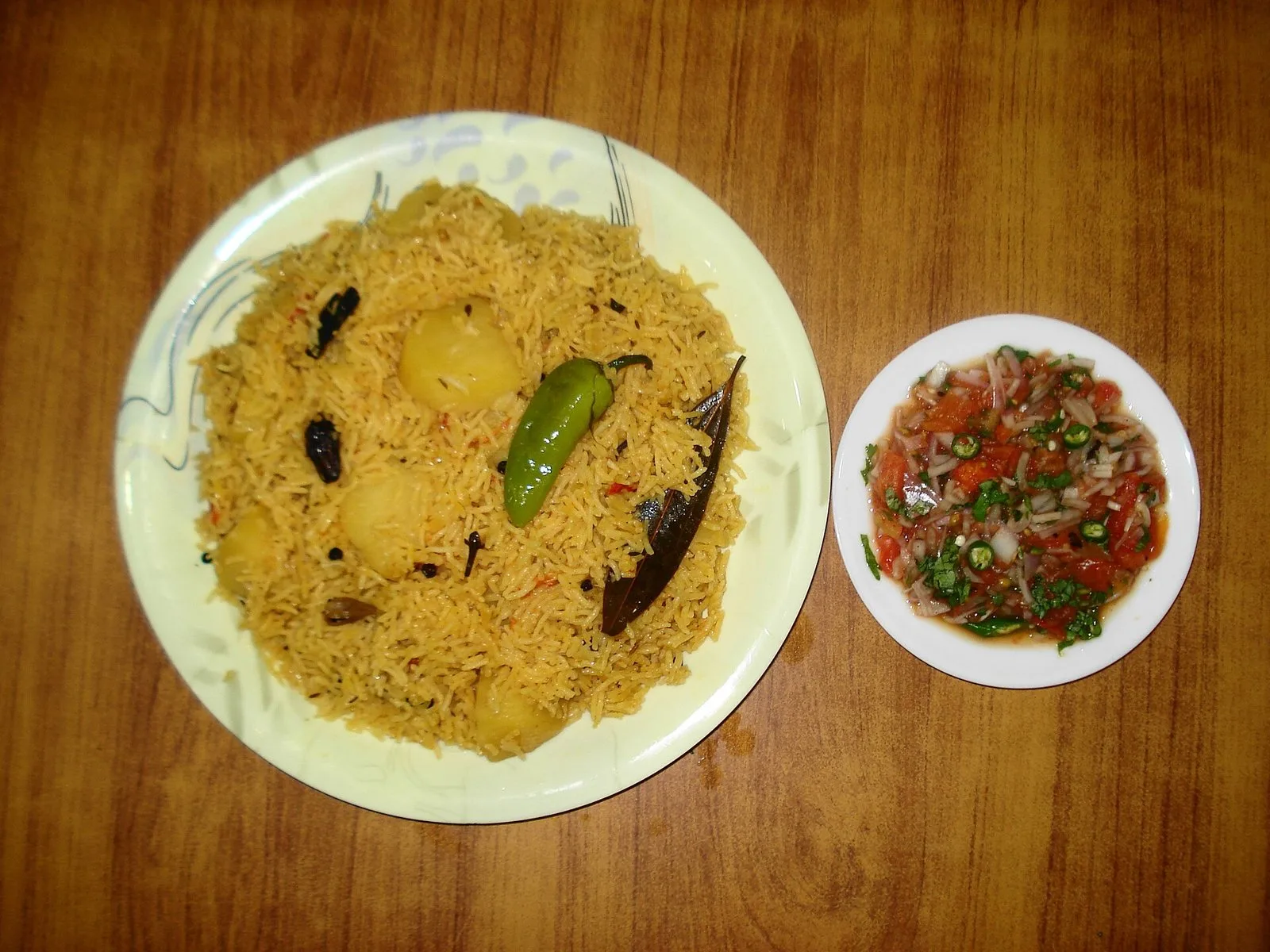
Beef Tehari Recipe, Bangladeshi Style: Cut, Oil, Water
A tehari recipe in the Bangladeshi style has three ways to go wrong: the beef is still chewy when the rice is done, the mustard oil tastes bitter and raw, or the grains turn to paste. If you search for a beef tehari recipe, most results give you a list of steps. This post is about the three decisions behind those steps.
The numbers all come from our Dhakaiya beef tehari recipe, which serves 5. For the full ingredient list and step timers, open that page; we will not repeat it. For what tehari is and how it differs from biryani, see Dhaka-style tehari explained and beef tehari vs biryani vs polao.
Choosing the beef for a beef tehari recipe
Our recipe uses 500 g (1.1 lb) of beef, cut into small cubes, and cooks it uncovered for about 45 minutes before any rice is added. The target is "browned, oil separating at the edges, and the cubes nearly tender". After that, the meat only gets the 18 minutes the rice needs.
That sets the rule for the cut. Tehari is not a long braise. Compare it with our nihari, where bone-in shank simmers for about 3.5 hours and can need up to 5. A cut that tough will not be ready in tehari's window. Choose pieces that soften in under an hour, and cut them small, because small cubes are what make that 45 minutes work. Our recipe does not name a specific cut, so we will not claim one is correct; ask your butcher for stewing beef that suits quick cooking.
Two data-backed alternatives:
- Pressure cooker: brown the marinated beef in the oil, pressure-cook for about 20 to 25 minutes, release the steam, then add the rice and hot water and finish on low with the lid on, not under pressure.
- Mutton: our recipe notes that mutton cubes work the same way and usually soften a little faster than beef.
The mustard oil, and the 5 minutes it needs
The recipe uses 4 tbsp (about 60 ml) of mustard oil, and says to heat it until it stops smoking before frying the onions. The marinade has already had 20 minutes with yogurt, ginger-garlic paste, turmeric and salt.
Heated mustard oil loses much of its raw, nasal bite, which is the reason for the wait. Take the pan off the heat if the smoke gets heavy rather than thin. Our tips are blunt: do not swap in plain cooking oil if you want the real smell. We have a longer note on heating it, reading the bottle label and what to do if you cannot find a food-labelled bottle in how to use mustard oil in cooking. The label question is real and depends on where you live.
Then the onions: the recipe times heating the oil and frying three thinly sliced onions to golden at about 5 minutes together, followed by cardamom, cinnamon, cloves and green chillies for a minute. Green chilli is listed as optional at up to 5 pieces; reduce it if heat is a worry.
Why the rice takes about 1.5 times its volume in water
The recipe uses 500 g (2.5 cups) of fragrant short-grain rice, washed, and hot water "about 1.5 times the rice by volume". That works out to roughly 3.75 cups (a little under 900 ml).
Why that much, when rice and plain water are often paired at a higher ratio? Our reading, not a stated rule: the pot is not plain water. By this point it holds beef juices and the cooked-down yogurt marinade, so the liquid is already there. The recipe's pressure-cooker note says it directly: count the juices already in the pot when you measure the water.
Then follow the sequence exactly:
- Add the washed rice and hot water. Add salt and stir once.
- Bring to a boil, then cover and cook on the lowest heat until the water is absorbed, about 18 minutes by our step timer.
- Turn off the heat. Rest covered for 10 minutes.
- Fluff gently.
Stirring more than once breaks the grains. If your beef was still very juicy, trim the water a little next time; if it caught on the bottom, add a splash more. Those adjustments are common cooking sense, not tested numbers.
What to put on the plate
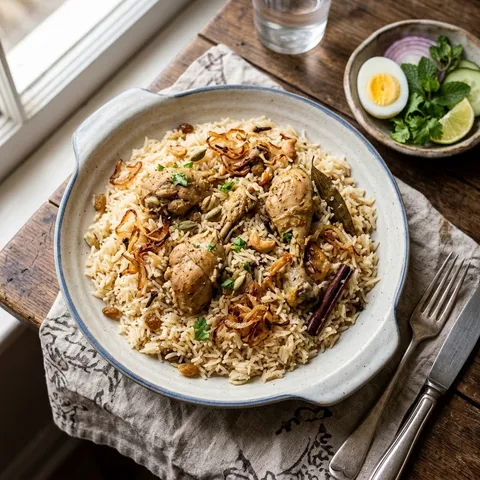
The recipe's own serving suggestion is a boiled egg: the ingredient list includes 5 hard-boiled eggs, optional. Beyond that, tehari is rich and sharp, so we would add something cold and acidic, such as sliced onion with lemon and green chilli, or plain yogurt. That is our suggestion, not a rule from the recipe. A glass of water is not optional if you kept all five chillies.
A rough time budget
If the two-hour mark worries you, remember what the neighbours cost. Our Dhaka-style kacchi biryani lists 150 minutes of prep and 70 of cooking, and morog polao takes about 65 minutes. Tehari sits between them in effort and is the only one with no layering.
| Stage | Time |
|---|---|
| Marinate beef | 20 min |
| Heat oil, fry onions | about 5 min |
| Whole spices and chillies | 1 min |
| Cook beef uncovered | about 45 min |
| Rice, covered | about 18 min |
| Rest | 10 min |
That is roughly an hour and 40 minutes door to door, with the marinade running while you prep. The recipe page headline says 60 minutes, which is shorter than its own step timers add up to, so plan for the longer figure. The pressure-cooker route is the way to shorten it.
Problems to watch for
- Chewy beef at the end: the cut was too tough or the cubes too big. Next time, pressure-cook first.
- Raw smell in the pot: the oil was not heated long enough before the onions went in.
- Soft, sticky rice: too much water, or the lid lifted and stirred. Count the beef juices before adding water.
- Bland rice: salt goes in with the water, so taste the broth before covering.
The recipe shows metric and US amounts and has a timer for each stage. If you are cooking for fewer than 5, the servings scaler in Degchi recalculates it, and the pantry page lets you check what you already have first.
Recipes with eggs Recipes with yogurt Recipes with rice Recipes with onions
Related recipes

Related posts
How to Use Mustard Oil in Cooking: A Plain Guide
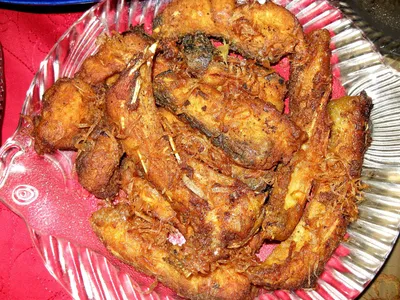
Mustard oil smells sharp and does odd things when you pour it in cold. This guide covers heating it, using it raw, which of our recipes need it, and how to read the label on your bottle.
How to Make Chitoi Pitha at Home (Rice Flour Pan Cakes)
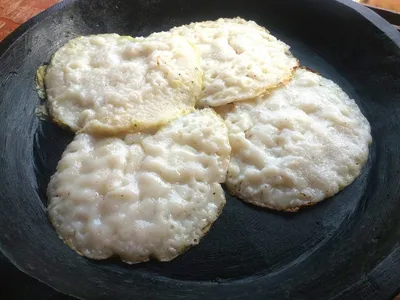
Chitoi pitha is a soft, slightly tangy rice flour disc cooked under a lid. Here is how the batter works, how to cook it without a clay mould, and the two classic ways to serve it.
Maach Bhaja: Crisp Bengali Fried Fish, Step by Step
Fried fish steaks with only four seasonings. The timings from our recipe, the dry-fish rule that prevents splatter, and what to change if your fish is frozen.
Shorshe Ilish: Bangladeshi Hilsa in Mustard Sauce
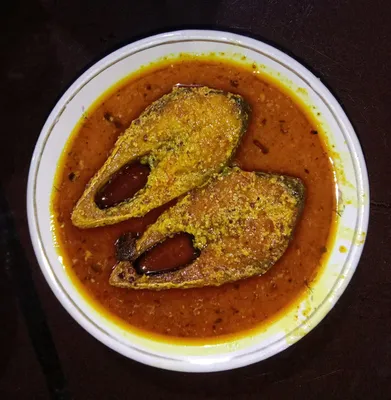
Hilsa in mustard gravy is the celebrated dish of Bengali cooking. Here is how to make the paste without bitterness, cook the fish without breaking it, and eat it safely around the bones.