 Degchi
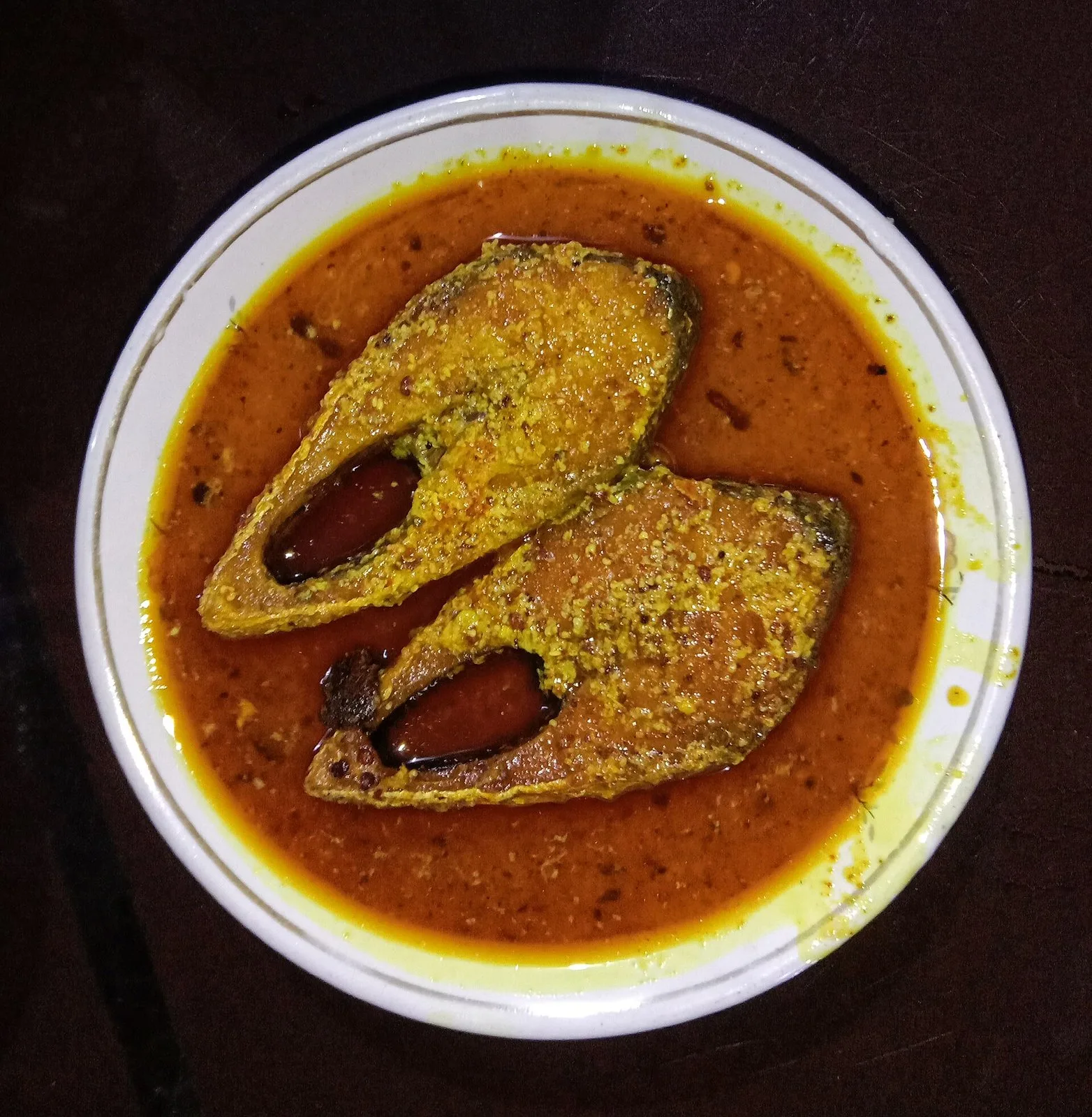
Photo: Billjones94 / CC BY-SA 4.0
Shorshe Ilish: Bangladeshi Hilsa in Mustard Sauce
What shorshe ilish is
Shorshe ilish is hilsa (ilish) fish in a mustard gravy. Steaks of the fish are simmered gently in a sharp paste of ground mustard seeds, green chilli and mustard oil, with turmeric and salt. It is usually eaten with plain steamed rice, and nothing else is needed.
Our recipe description calls it the most celebrated dish of Bengali cuisine. That is a strong statement, and it is how it is often described by Bengali cooks and writers, but it is a matter of opinion, not something you can measure.
About the fish
Ilish is the national fish of Bangladesh, and also the state fish of West Bengal in India, according to Wikipedia. In 2017, Bangladesh's patent office declared ilish a Geographical Indication. The fish migrates upstream to spawn during the monsoon season, and Wikipedia gives the migration windows as roughly June to September and January to April. Sources disagree on how much of the world's hilsa comes from Bangladesh: the same article gives two different percentages, so we will not quote one.
Hilsa is famously bony. Wikipedia notes it has very sharp and tough bones. That is why the steaks stay whole and are eaten slowly with the fingers, picking the flesh from the bones as you go. If you are cooking for children, this is not the fish to start with.
Buying hilsa where you live
In the US and UK, hilsa usually comes frozen, from South Asian grocers, often already cut into steaks. We did not verify import rules or the quality of each source, so look at the packaging and the shop's reputation. Thaw in the fridge overnight, then pat dry. If you cannot find hilsa, our Bengali fish curry is a good everyday alternative with more widely available fish.
What goes in
Our shorshe ilish recipe serves 4:
- 600 g (1.3 lb) hilsa, cut into steaks
- 3 tbsp mustard seeds, soaked and ground with 2 green chillies
- 4 tbsp mustard oil
- 1 tsp turmeric
- 4 green chillies, slit (2 go in the paste, 2 go in the pan)
- Salt to taste
Mustard seeds are the star. Yellow and black seeds both appear in Bengali cooking, and the black ones are sharper. Our recipe does not specify the colour, so use what you have and taste the paste.
The method
- Rub the steaks gently with turmeric and a little salt, and set aside.
- Soak the mustard seeds in cold water for 15 minutes, then grind with 2 green chillies, a pinch of salt and a splash of cold water into a coarse paste. Do not over-grind or use warm water, or the paste turns bitter.
- Heat the mustard oil in a flat pan until it just starts to smoke, then lower the heat.
- Add the mustard paste and a splash of water. Simmer 2 minutes, without browning it.
- Add a cup of hot water, salt and the remaining 2 green chillies, slit lengthwise. Bring to a gentle boil.
- Slide in the fish steaks in a single layer. Do not stir hard. Shake the pan instead.
- Cover and simmer gently, about 8 minutes, until the fish is just cooked and the oil floats on top. Take it off the heat and drizzle with a spoon of raw mustard oil.
The fish is never fried first, so the delicate flesh stays soft.
Avoiding bitterness
This is the number-one failure. Our notes are specific: do not over-grind the mustard, and use cold water, not warm. Heat and over-grinding release compounds that taste harsh. If your paste tastes bitter before it goes in the pan, add a pinch of sugar. Some cooks do that as a matter of course. We list it as a common variation, not as part of our base recipe.
Cook the paste briefly and gently. Browning it makes it bitter too.
Keeping the steaks whole
Our recipe tip: hilsa is bony, so keep the steaks whole and shake the pan instead of stirring. Drop the fish into a gravy that is already boiling gently, rather than a cold one, so the steaks do not break. A flat, wide pan helps, because the pieces sit in a single layer and need no turning.
Variations
Bhapa ilish is the steamed cousin. Mix the paste with mustard oil and turmeric, coat the fish and steam it in a sealed box for about 15 to 20 minutes. Some cooks temper nigella (kalonji) seeds in the oil first. Both are common, and neither is in our base recipe, so they are tweaks to try once you have mastered the basics. You may also like the rice-and-lentil comfort dish bhuna khichuri, which Bengali families often eat on rainy days. That pairing is a tradition we describe, not a rule.
Serving
Plain steamed rice, a green chilli, and a spoon of the gravy over the rice. Eat with your fingers, slowly. Keep a small plate for bones.
Fishy smell and raw mustard taste
- Bitter gravy. Over-ground paste, warm water, or browned paste.
- Broken fish. Stirring, or a crowded pan.
- Fishy smell. Fresh fish and a good thaw help. Rubbing with turmeric and salt first is in our method for a reason.
- Raw mustard taste. Not enough simmering. Give it the full 2 minutes before adding hot water.
Keeping the timing right
Key steps have timers in the recipe, and amounts show in metric and US with a servings scaler. The app is free and in closed beta. Join the beta if you would like to try it, or browse the full recipe library first.
Related recipes
Related posts
Why Is My Mustard Paste Bitter? Shorshe Bata Fixes
Mustard seed paste turns bitter when it gets warm, gets over-ground or sits too long. Our shorshe ilish method shows the cold-water routine that avoids it.
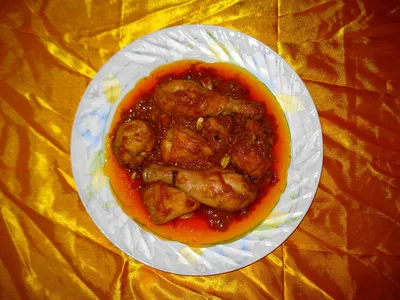
Chicken Qorma vs Korma: What Actually Differs
Qorma and korma are one word spelled two ways, but the two chicken recipes in our library cook very differently. Here is a side-by-side, and which one to make tonight.
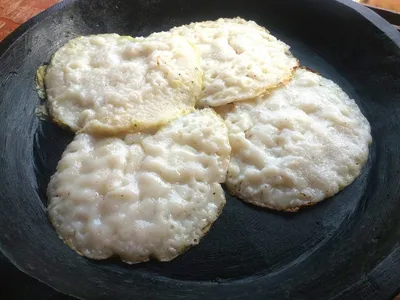
How to Make Chitoi Pitha at Home (Rice Flour Pan Cakes)
Chitoi pitha is a soft, slightly tangy rice flour disc cooked under a lid. Here is how the batter works, how to cook it without a clay mould, and the two classic ways to serve it.
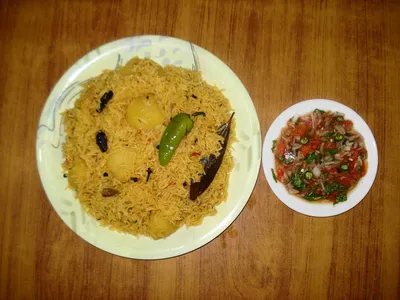
Dhaka-Style Tehari Explained: Mustard Oil, Beef and One Pot
Dhaka tehari cooks small beef cubes right into the rice with mustard oil and green chilli. Here is what makes it different from biryani, where the name comes from, and how to cook it.