 Degchi
Dhaka-Style Tehari Explained: Mustard Oil, Beef and One Pot
The short version
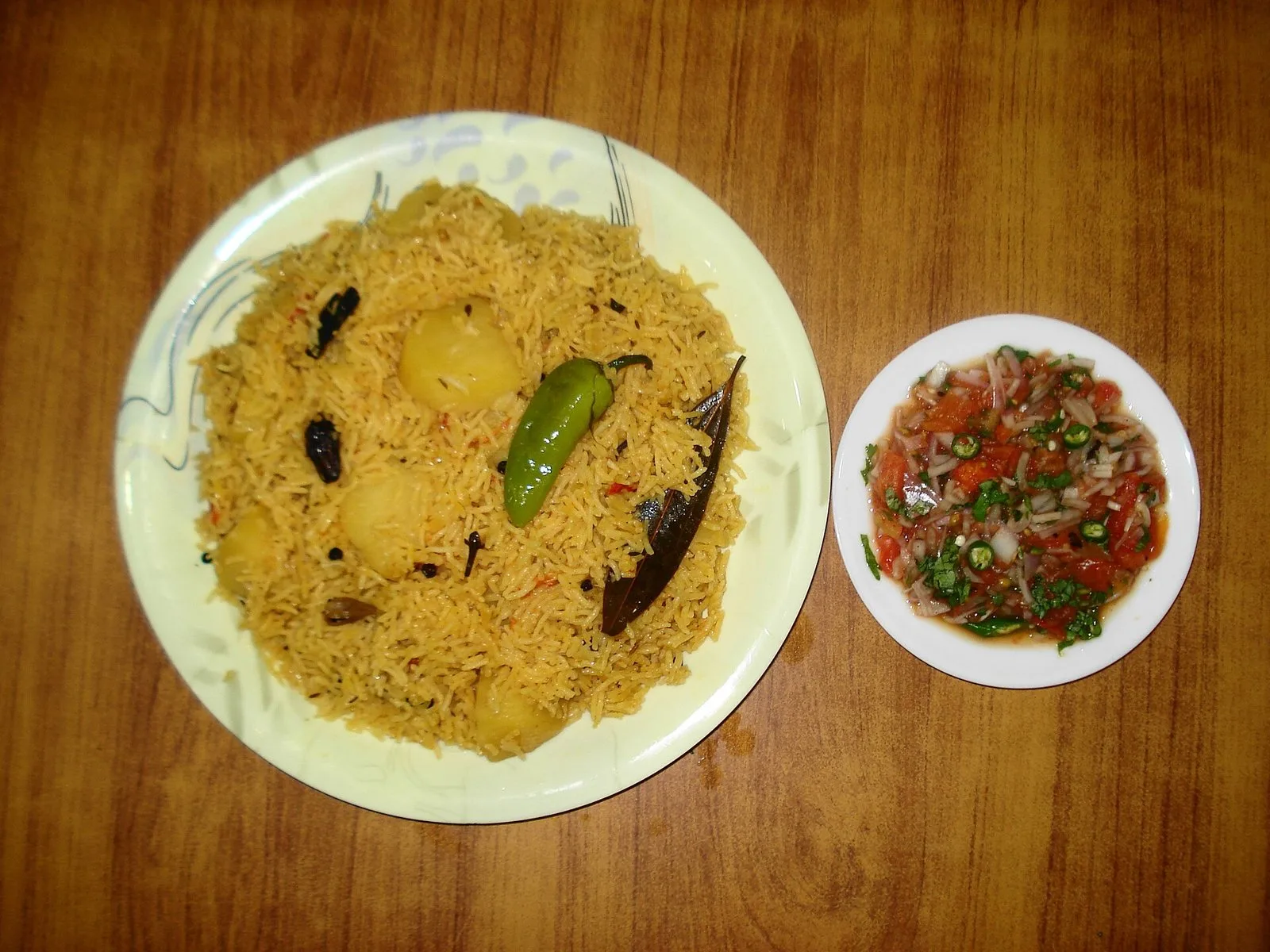
Dhaka-style tehari is a one-pot rice dish. Small cubes of beef are cooked together with rice in mustard oil, with plenty of green chilli, until every grain tastes of the meat. It is served with a boiled egg and a sharp onion and chilli salad. It is quicker than biryani and simpler to organise, because there is no separate curry and no layering.
Nothing about it needs special equipment. A heavy pot with a tight lid is enough.
Where the name comes from
Tehari, tehri, tahari and tehar are all related names. Wikipedia describes tehri as a spicy yellow rice dish from the Awadh region of Uttar Pradesh in India. It says the Awadhi word likely comes from the Sanskrit tapahari, a dish of rice, lentil dumplings and vegetables cooked in ghee and turmeric. Early texts mention it, including one from 1200 CE that includes hen meat.
That is a different dish from what you eat in old Dhaka. The Dhaka version is typically beef, mustard-oil scented and chilli-hot. How exactly the name travelled from Awadh to Dhaka is not something we could verify, so we will not tell you a neat story about it. What we can say is that the two dishes share a name and the basic idea of rice cooked with spices in one pot, and have grown into different things.
Tehari, biryani and polao
People mix these up constantly. Our recipe notes have the short comparison:
- Tehari cooks small beef cubes and rice together in one pot, with mustard oil and plenty of green chilli.
- Kacchi biryani layers raw marinated meat with par-boiled rice and finishes by dum (sealed steaming).
- Polao is a mild, ghee-scented rice cooked in stock, with the meat served alongside.
We go through this in more depth in Tehari vs Biryani vs Polao.
What goes in
Our Dhakaiya beef tehari recipe serves 5:
- 500 g (1.1 lb) beef, in small cubes
- 500 g (2.5 cups) fragrant short-grain rice, washed
- 4 tbsp mustard oil
- 3 onions, thinly sliced
- 1 tbsp each of ginger paste and garlic paste
- 100 g (about 0.4 cup) yogurt
- 4 cardamom pods, 2 cinnamon sticks, 4 cloves
- 5 green chillies
- 1/2 tsp turmeric
- 5 hard-boiled eggs, for serving
- Salt to taste
Short-grain fragrant rice matters. Basmati works in a pinch, but it is long and slender, and the result is closer to a pulao. If you cannot find kalijira or similar small rice, try the shortest fragrant rice you can get and cut the water slightly.
The method
- Marinate the beef cubes with yogurt, ginger-garlic paste, turmeric and salt for 20 minutes.
- Heat the mustard oil until it stops smoking, then fry the sliced onion until golden. Heating mustard oil first tames its raw bite.
- Add the whole spices and green chillies and fry for a minute, then add the marinated beef.
- Cook the beef uncovered over medium heat, stirring often, until it is browned, the oil separates at the edges and the cubes are nearly tender. Add a splash of hot water if it catches. Our timer for this step is 25 minutes.
- Add the washed rice and enough hot water to cook it, about 1.5 times the rice by volume. Add salt and stir once.
- Bring to a boil, then cover and cook on the lowest heat until the rice is done and the water has been absorbed. About 18 minutes.
- Rest covered for 10 minutes, off the heat, then fluff gently.
Serve with the boiled egg and a salad of sliced raw onion, green chilli and lemon.
Mustard oil: the essential detail
Mustard oil is what makes it tehari rather than rice with beef. Our recipe is firm: do not replace it with plain cooking oil. It is sharp, pungent, and slightly nose-tingling. In some countries it is sold labelled "for external use only" because of regulations on erucic acid. If you are in that situation, check the labelling in your local South Asian grocery and buy an oil sold for cooking where that is available. We have not verified regulations in each country, so check locally.
Beef or mutton, and the pressure cooker
Mutton (khashi in Bengali shops) works the same way and usually softens a little faster than beef. If you are short on time, our notes give a pressure-cooker shortcut: brown the marinated beef in the oil, pressure-cook it for about 20 to 25 minutes until tender, release the steam, then add the rice and hot water (count the juices already in the pot) and finish on low heat with the lid on, not under pressure. We have flagged that exact water ratio as one to check against your own cooker.
Tehari troubleshooting
- Mushy rice. Too much water, or too much stirring. Stir once after adding the rice, then leave it.
- Rice still hard, beef cooked. Not enough water, or the heat was too low from the start. Splash in a few spoons of hot water, cover, and give it five more minutes.
- Raw beef taste. The beef was not browned and nearly tender before the rice went in.
- Bitter or acrid. Burnt onion or mustard oil heated past the smoke point. Lower the heat and start again with fresh oil.
Leftovers
Tehari reheats well in a covered pan with a spoonful of water. It is also very good the next day with a fried egg on top.
Cooking tehari with a timer
Each step of the tehari recipe has a timer in cook mode, and amounts switch between metric and US with a servings scaler. The app is free and in closed beta. Join the beta if you would like to try it, or browse the full recipe library first.
Related recipes

Related posts
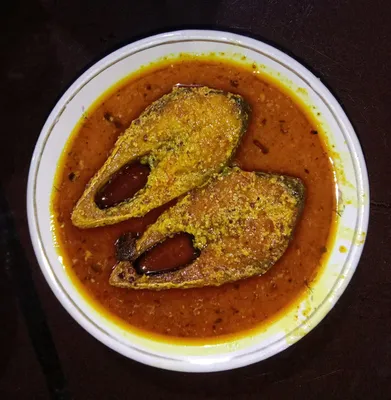
Shorshe Ilish: Bangladeshi Hilsa in Mustard Sauce
Hilsa in mustard gravy is the celebrated dish of Bengali cooking. Here is how to make the paste without bitterness, cook the fish without breaking it, and eat it safely around the bones.
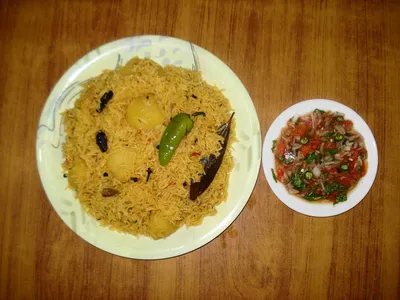
Beef Tehari Recipe, Bangladeshi Style: Cut, Oil, Water
A beef tehari recipe lives or dies on three choices: the meat, the mustard oil and the water. Here is the reasoning behind each, using amounts from our Dhaka-style recipe.
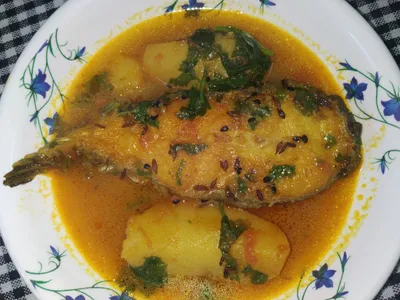
Machher Jhol Recipe: Thin Bengali Fish Curry
Machher jhol is the thin, turmeric-yellow fish curry Bengali homes cook on an ordinary weekday. Here are the two versions in our library, side by side, and the small moves that stop the fish breaking.
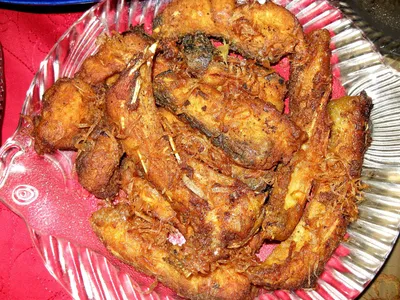
Maach Bhaja: Crisp Bengali Fried Fish, Step by Step
Fried fish steaks with only four seasonings. The timings from our recipe, the dry-fish rule that prevents splatter, and what to change if your fish is frozen.