 Degchi
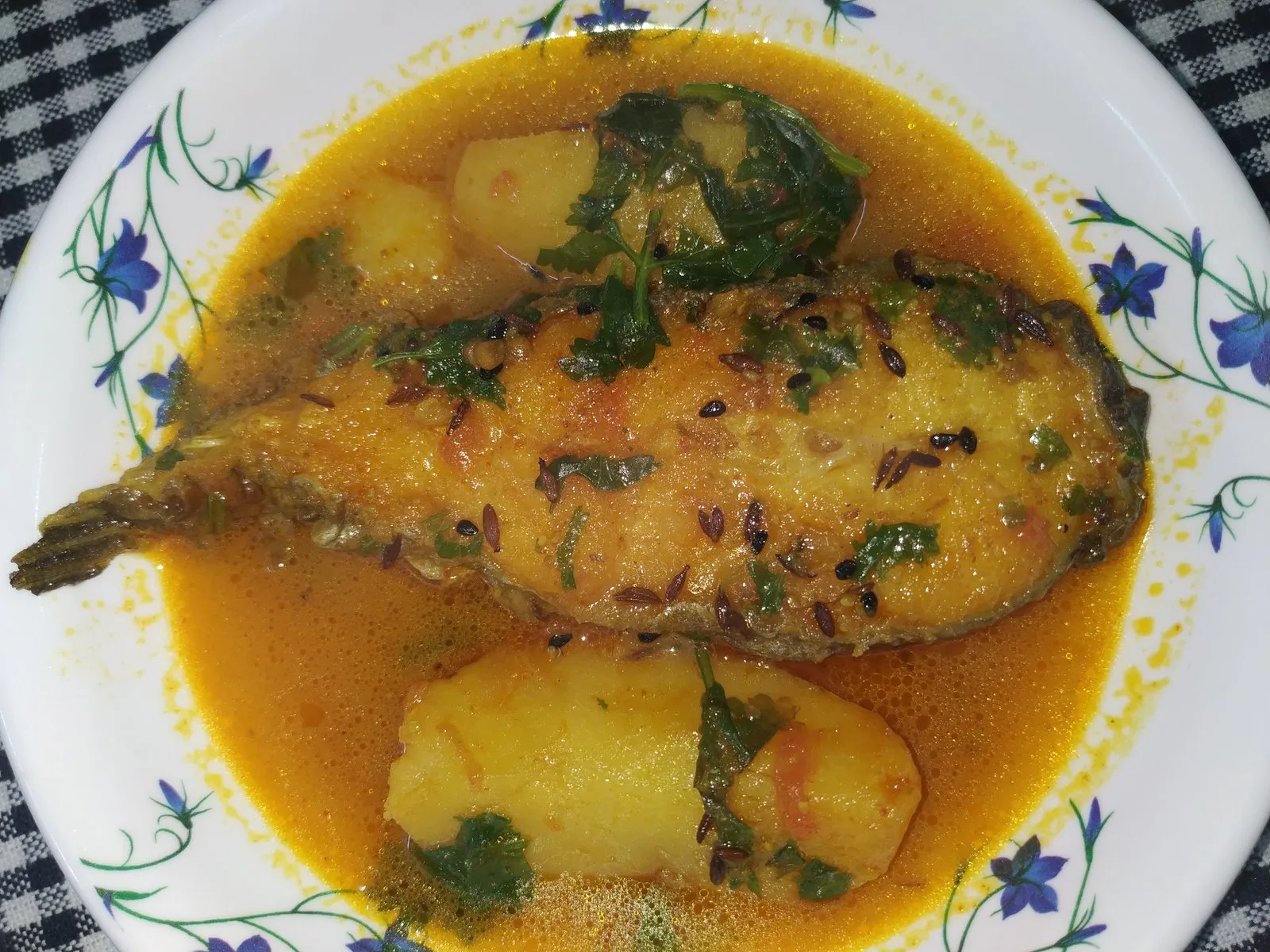
Photo: Atudu / CC BY-SA 4.0
Machher Jhol Recipe: Thin Bengali Fish Curry
You stir the pot once too often and the fish turns into flakes in a yellow soup. That is the usual way a first machher jhol recipe goes wrong, and it is easy to avoid once you know the order of work.
Machher jhol means "fish broth" (jhol is the thin, spoonable gravy). It is the plain weekday fish of a Bengali home: steaks of freshwater fish, potato, a little tomato, turmeric, and enough water to make something you pour over rice. Our library holds two versions, and they are different enough to be worth choosing between.
Which machher jhol recipe to start with
| Macher Jhol (Everyday Fish Curry) | Machher Jhol | |
|---|---|---|
| Fish | 500 g / 1.1 lb rohu steaks | 600 g / 1.3 lb fish steaks |
| Oil | 3 tbsp cooking oil | 4 tbsp mustard oil |
| Spices | turmeric 1 tsp, chilli 0.5 tsp, cumin 1 tsp | turmeric 1.5 tsp, chilli 1 tsp, ginger paste 1 tsp |
| Extras | 3 green chillies, 2 potatoes, 1 tomato | 2 potatoes, 1 tomato, optional onion and green chilli |
| Total time | 40 minutes | 50 minutes |
| Level | Easy | Medium |
The first is the one to start with: fewer steps, a neutral oil, no marinating wait. The second leans on mustard oil and a 15-minute rest for the fish, and tastes noticeably more Bengali for it. If a bottle of mustard oil is not in your cupboard, there is a separate guide to cooking with it.
Fry the fish first, and only lightly
Both recipes fry the fish before it goes anywhere near water. In the quick version the steaks are rubbed with turmeric and salt and fried for about 4 minutes, just until they firm up. In the mustard-oil version they are rested 15 minutes with turmeric and salt, then fried about 8 minutes until golden on both sides.
This is the whole secret to pieces that survive. Our recipe's own tip says it plainly: frying briefly before adding the fish to the curry keeps the pieces from breaking apart while they simmer. Pat the steaks dry first, or they spit and stick.
Build the jhol in the same oil
Do not wash the pan. The oil already carries turmeric and fish.
For the quick version, add the rest of the turmeric, chilli and cumin with a splash of water and cook for a minute. Then the chopped tomato goes in for about 3 minutes, until it softens and the oil separates around the edges. In the mustard-oil version the sequence runs onion and ginger paste for about 4 minutes, then tomato with the remaining turmeric and chilli for about 3.
The splash of water in the first version matters. Ground spices go into hot oil dry and scorch in seconds; a spoonful of water gives you a minute of margin.
Potatoes decide how thin it is
Potato wedges go in with hot water, enough to make a thin curry. Our quick recipe simmers them covered for about 10 minutes until tender; the mustard-oil recipe uses 3 cups of water with pre-fried potatoes and simmers 10 minutes as well.
Use hot water rather than cold, as the recipes say, so the pot comes back to the boil quickly. Add the salt and slit green chillies now so they soften and flavour the broth.
Keep it thin. The tip on the quick recipe is blunt about it: macher jhol is meant to be spooned over rice, not a thick gravy. If yours is thickening, add hot water a splash at a time.
The last five minutes
Slide the fried fish back in. The quick recipe gives it 3 minutes, the mustard-oil one 5, and in both the pot should barely tremble. Do not stir. Tilt and shake the pan so the broth moves over the steaks.
Finish with chopped coriander (2 tbsp in the quick version) and bring it to the table straight away with plain steamed rice. If you want to cook the rice well, the grain-separation tips in How to Cook Basmati Rice So the Grains Stay Separate apply.
Which fish to buy
The quick recipe is written for rohu, and its description says any freshwater fish such as rohu or catla works. Both recipes ask for steaks, meaning thick cross-cut slices on the bone, not fillets. Ask the fishmonger to cut them for you.
We do not list a substitution for saltwater fish, and we have not tested one, so we will not pretend one is certain. If you cook a firm white fish instead, treat it as an experiment: a lighter fry and a shorter simmer is the sensible direction, because thin fillets overcook faster than steaks.
Whatever fish you use, cook it through. Fish is done when the flesh turns opaque and flakes at the thickest point; leftover jhol should be cooled and refrigerated promptly, and reheated until steaming hot.
The fish course in a bigger meal
Bengali meals are built in a fixed order, and this curry sits in the middle of it. Our Maach Bhaja (fried fish, 600 g rohu and 5 tbsp mustard oil, about 30 minutes) is the crisp side that comes before it, and the recipe describes it as the fixed starting point of almost every Bengali meal. On the other end of the scale, Shorshe Ilish is hilsa in a sharp mustard gravy, covered in its own post. If the weather is wet and you want something one-pot for the rice, Bhuna Khichuri is the match.
A plan for a first attempt
If you only have one evening, do it in this order:
- Pick the quick version. Get the rohu, two potatoes, one tomato, green chillies.
- Rub and fry the fish for about 4 minutes. Set it aside on a plate.
- Cook spices with a splash of water, then the tomato, until the oil separates.
- Add potatoes and hot water, simmer covered about 10 minutes.
- Return the fish for 3 minutes. Do not stir.
- Serve with rice, and try the mustard-oil version next week.
Degchi's pantry sandbox can tell you which of these two you can cook with what is already in your kitchen, which saves a trip when you have the potatoes but not the fish.
Related recipes
Related posts
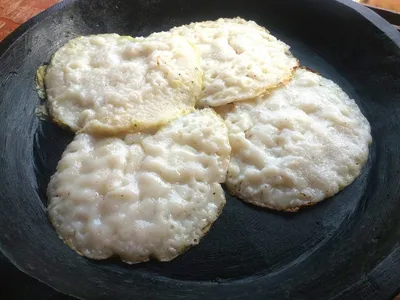
How to Make Chitoi Pitha at Home (Rice Flour Pan Cakes)
Chitoi pitha is a soft, slightly tangy rice flour disc cooked under a lid. Here is how the batter works, how to cook it without a clay mould, and the two classic ways to serve it.
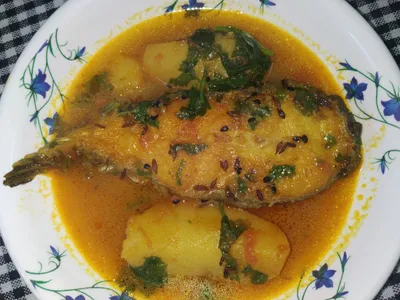
Bengali Fish Curry With Frozen Fish (US and UK)
Fresh rohu is hard to find abroad. Frozen steaks work if you thaw them well, dry them, and treat them gently in the pan. Here is the method and the swaps.
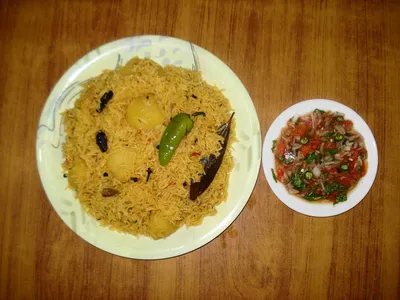
Dhaka-Style Tehari Explained: Mustard Oil, Beef and One Pot
Dhaka tehari cooks small beef cubes right into the rice with mustard oil and green chilli. Here is what makes it different from biryani, where the name comes from, and how to cook it.
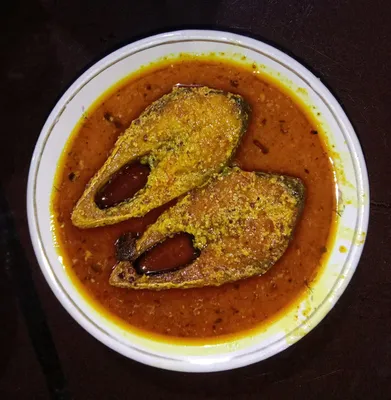
Shorshe Ilish: Bangladeshi Hilsa in Mustard Sauce
Hilsa in mustard gravy is the celebrated dish of Bengali cooking. Here is how to make the paste without bitterness, cook the fish without breaking it, and eat it safely around the bones.