 Degchi
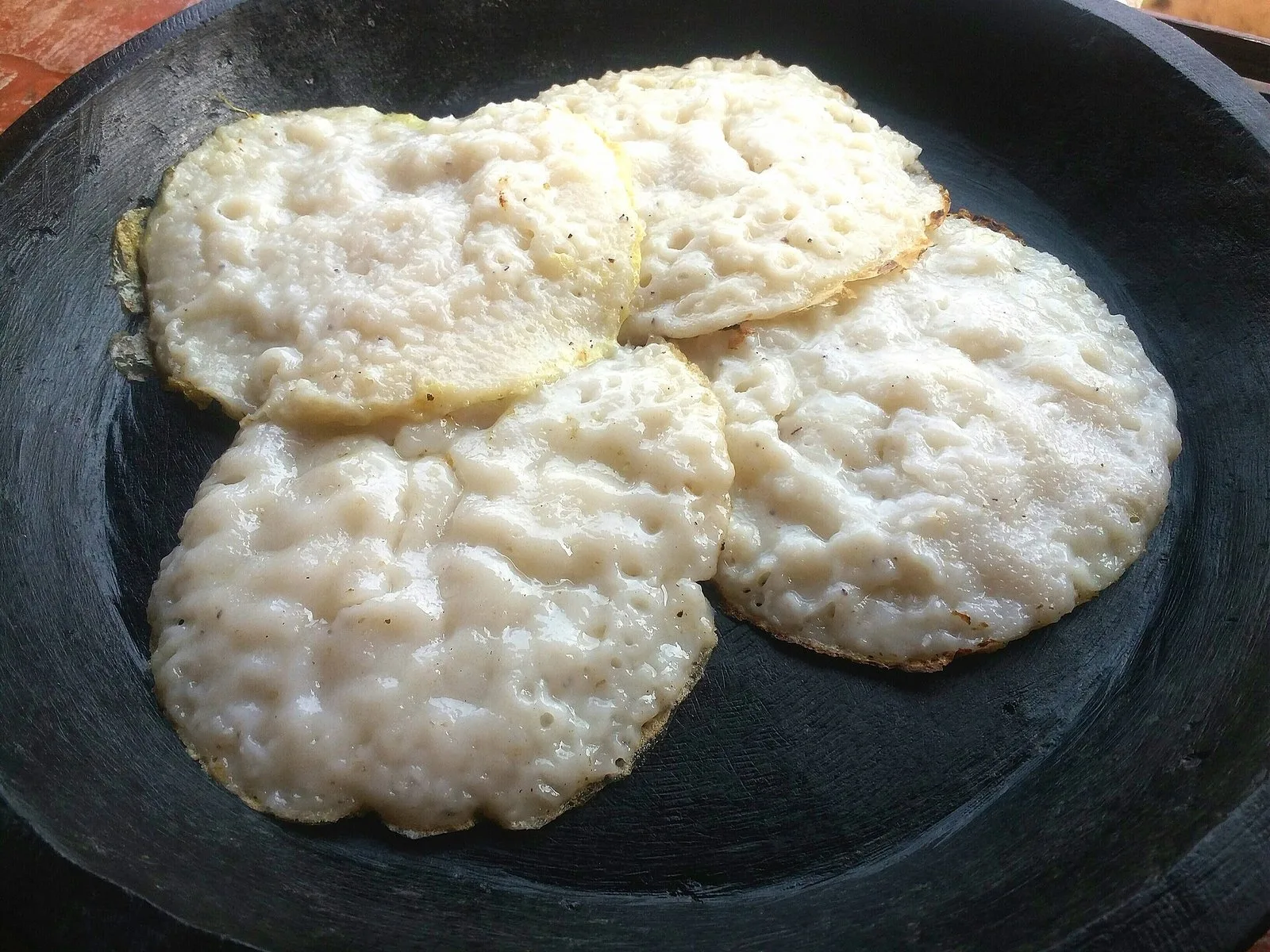
How to Make Chitoi Pitha at Home (Rice Flour Pan Cakes)
What chitoi pitha is
Chitoi pitha is a Bengali rice flour cake. A thin, fermented batter goes into a small hot pan with a lid, and it cooks into a thick, soft disc with a faintly tangy taste. It is not crisp and it is not sweet by itself. That is the point. It is a plain, absorbent base that soaks up whatever you give it.
It belongs to the large pitha family of Bengali rice-flour sweets and snacks. Wikipedia describes the chitoi style as a batter-based, pancake-like pitha cooked in a special pan and usually eaten with spicy bhortas (mashed vegetable or fish dishes). Pithas in general are tied to winter and to harvest festivals such as Nabanna and Poush Sankranti, though some are made all year.
What you need
Our chitoi pitha recipe serves 6 and needs very little:
- 300 g (about 2.4 cups) rice flour
- 50 g (about 1/4 cup) cooked rice, mashed, to help the batter ferment
- Salt to taste
- Water, enough for a pourable batter
- About 100 g (1/2 cup) date-palm jaggery syrup, for serving
Rice flour is the heart of the dish. Use a fine flour that is meant for pitha or general baking, not glutinous (sweet) rice flour, which behaves differently. If you can only find one type at your grocery, check the packet: a pitha flour is usually just labelled rice flour or "chaler gura" in Bangladeshi shops.
The batter and the ferment
Blend the flour, mashed cooked rice, salt and water into a smooth batter that pours easily. It should be a little thinner than pancake batter. The mashed rice gives the wild yeast and bacteria something to feed on, which is why it speeds things along.
Then walk away. Cover the bowl and leave it at room temperature for at least 4 hours, or overnight. In our recipe the timer is 4 hours. In a cold kitchen, give it longer. You are looking for a light ferment, not a bread-dough rise: a few small bubbles on the surface and a mildly sour smell.
A useful trick from our recipe notes: a spoonful of the previous day's batter works as a natural starter if you want a faster, more reliable ferment. If you make chitoi often, keep a little back every time.
Cooking it with and without a mould
The classic tool is a clay chitoi pan with small round hollows. You grease and heat it, spoon batter into each hollow, and put a lid on top. If you have one, use it.
If you do not, a small lidded non-stick pan makes the same pitha as a flat disc:
- Heat the pan over medium heat.
- Pour in a ladleful of batter so it forms a thick disc. Use less batter per pitha than you think, so the middle cooks through.
- Cover straight away.
- Cook on medium-low for about 10 minutes, until the pitha is fully set and the edges come away cleanly from the pan.
- Lift it out with a flat spatula.
There is no flipping. The steam trapped under the lid cooks the top. If the middle is still wet when you lift the lid, the heat was too high and the underside set before the inside could. Lower the flame for the next one.
Two classic ways to serve it
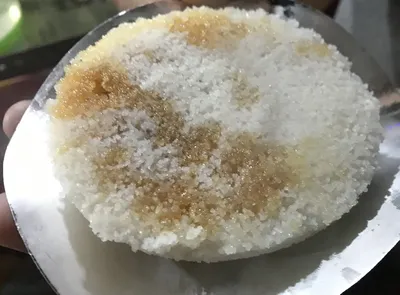
With date-palm jaggery syrup. Serve the pitha warm and dunk it. The syrup is dark, smoky and less sharp than white sugar. If you cannot find date-palm jaggery (khejur gur), a thick brown sugar or jaggery syrup is the closest swap, though the flavour will differ.
With a savoury side. Chitoi is often served beside meat curries, especially duck curry, and with mashed bhortas. The tang of the pitha cuts through rich, oily gravy well.
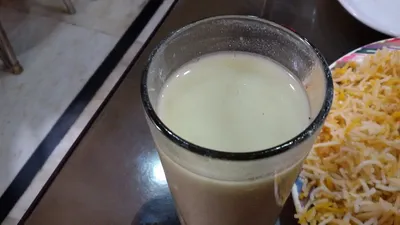
Doodh chitoi. This is the sweet milk version. From our recipe notes: simmer about 1 litre of milk with cardamom and a cinnamon stick until it reduces by a third to a half. Sweeten with date jaggery or sugar. Slip the warm pithas into the warm milk, cover, and let them soak for 5 to 6 hours or overnight so they turn soft and sponge up the milk.
Fixing chitoi that will not rise or sticks
- Pitha is dense and rubbery. The batter was too thick, or you made the disc too thick. Thin the batter and use less per pitha.
- No tang. The ferment was too short. Give it longer, or add a spoonful of yesterday's batter.
- Too sour. The ferment ran too long in a warm room. Cut the time next batch.
- Sticking. Grease the pan lightly each time, and let it heat properly before the first pour.
- Pale and wet on top. The lid was left off, or lifted too often. Keep it on until the edges release.
Chitoi and its cousins
Chitoi is one of many Bengali pithas, and the names overlap in confusing ways. Wikipedia lists khola chitoi (a crepe-style version with rice flour and eggs, said to come from Noakhali) alongside the lidded, pan-cooked kind. Bhapa pitha is a different method: a steamed rice cake. We have a separate bhapa pitha recipe if you want to compare. Regional cooks will give you strong opinions on which shape is the "real" chitoi, so treat any single definition as one home tradition among several.
Make-ahead and storage
Chitoi is best eaten the same day, still warm and soft. Leftovers go firm in the fridge. Warm them under a lid with a splash of water, or drop them in warm milk for doodh chitoi, which is a good use for the extra ones. The batter itself can be held in the fridge for a day if the ferment is ahead of your schedule, then brought back to room temperature before cooking.
Trying chitoi in Degchi
The fermenting step in our chitoi recipe has a real timer you can start from the recipe, and amounts show in metric and US with a servings scaler. The app is free and in closed beta. Join the beta if you want to try it, or browse the full recipe library first.
Related recipes
Related posts
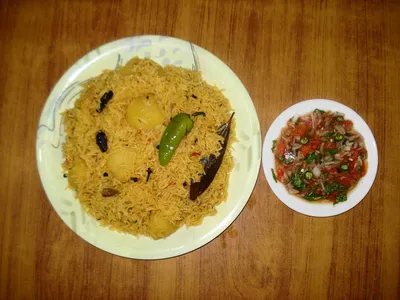
Beef Tehari Recipe, Bangladeshi Style: Cut, Oil, Water
A beef tehari recipe lives or dies on three choices: the meat, the mustard oil and the water. Here is the reasoning behind each, using amounts from our Dhaka-style recipe.
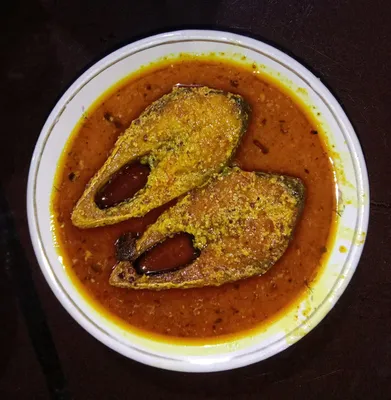
Shorshe Ilish: Bangladeshi Hilsa in Mustard Sauce
Hilsa in mustard gravy is the celebrated dish of Bengali cooking. Here is how to make the paste without bitterness, cook the fish without breaking it, and eat it safely around the bones.
Dhaka-Style Tehari Explained: Mustard Oil, Beef and One Pot
Dhaka tehari cooks small beef cubes right into the rice with mustard oil and green chilli. Here is what makes it different from biryani, where the name comes from, and how to cook it.
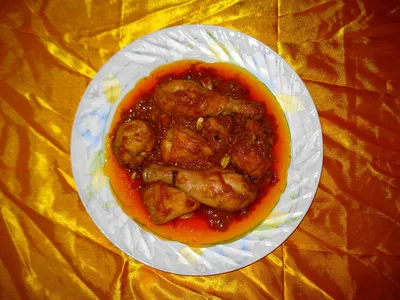
Chicken Qorma vs Korma: What Actually Differs
Qorma and korma are one word spelled two ways, but the two chicken recipes in our library cook very differently. Here is a side-by-side, and which one to make tonight.