 Degchi
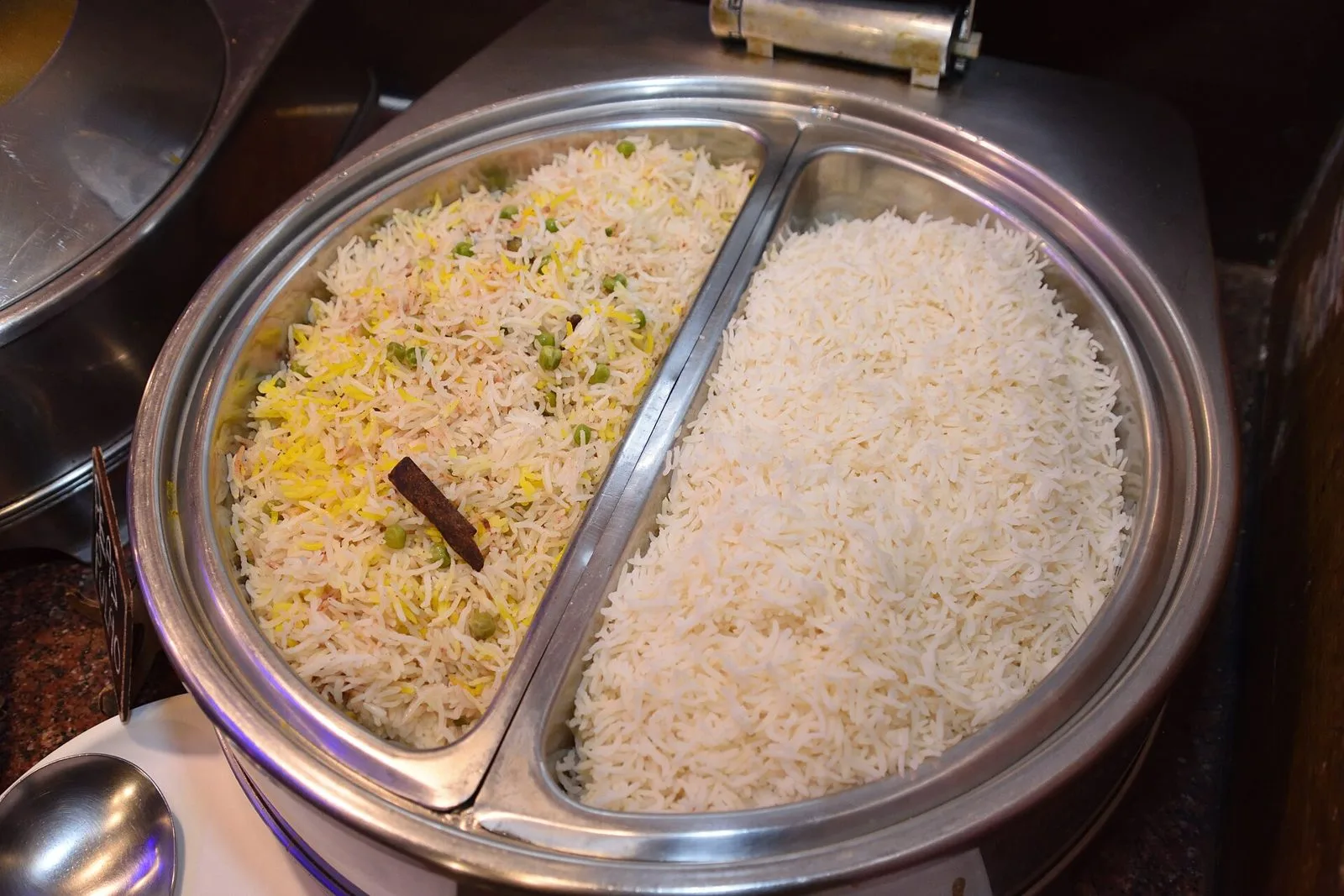
Photo: Biswarup Ganguly / CC BY 4.0
How to Cook Basmati Rice So the Grains Stay Separate
A pot of basmati should lift with a fork into long grains that do not hold hands. If yours comes out as a single sticky block, the fix is rarely a new brand. It is almost always water, heat or impatience. This is how to cook basmati rice with the numbers we use in our recipes, and where the advice from other cooks disagrees.
Rinse until the water is nearly clear
Put the rice in a bowl, cover with cold water, swirl with your fingers and pour off the cloudy water. Repeat several times. Our chicken biryani says to wash it in several changes until the water runs almost clear. The cloudiness is loose surface starch, and that starch is what glues grains together in the pot.
Be gentle. Basmati grains are long and thin, and rough scrubbing snaps them. Swirl, do not rub.
Soak for 20 to 30 minutes
The recipes in our library split into two soak times:
- 20 minutes for the everyday pulaos: matar pulao and chicken pulao
- 30 minutes for the biryanis: chicken biryani, Hyderabadi and Dhaka kacchi
Soaking lets the grain take up water before heat hits it, so it cooks more evenly and stretches longer. The rice-brand guide we checked gives the same window, 20 to 30 minutes. Do not go much past that, because over-soaked grains turn fragile. Drain well in a sieve before the rice meets the pot. Dripping rice carries extra water, and extra water is how you end up past your ratio.
Soaking is optional. Some cooks skip it for plain rice and just rinse. If you do, plan for a bit more water, as below.
The water: pick your method first
There is no single ratio, because the method decides it.
Absorption (a lidded pot, no draining). Our pulao recipes use about 1.5 times the rice by volume in water. Chicken pulao tells you to measure the liquid left in the pot after the chicken is cooked and top it up with water to roughly 1.5 times the rice, then bring it to a boil. Matar pulao says the same: water about 1.5 times the rice volume. The brand guide we read lands in similar territory: 1.5 cups of water per cup of rinsed, soaked rice, and about 1.75 cups when the rice was not rinsed or soaked.
Finger-width. Sabzi pulao skips cups and says add water so it sits about one finger-width above the rice. It is rough, but it works in a wide pot where a cup measure is hard to apply.
Plenty of water, then drain. This is the biryani method. Boil in a lot of salted water, drain, finish in steam. See the chicken biryani recipe. For plain rice with daal chawal our recipe boils the washed rice in plenty of salted water for about 12 minutes, until just tender, then drains it and keeps it covered. It is the most forgiving method for a beginner, because you cannot add too much water.
Soaked rice needs a little less water than unsoaked. How much less is where cooks disagree, so start at 1.5 and adjust after one batch.
The pot and the lid
Use a pot with a heavy base and a lid that fits. A thin pot scorches the bottom while the top stays hard. If the lid rattles, put a clean towel or foil under it so steam stays in.
Bring the water and rice to a boil, give it one stir to level the rice, then cover and turn the heat to the lowest setting. After that, leave it alone. Every time you lift the lid you lose steam, and stirring a pot of rice releases starch, which is the thing we rinsed off in the first place.
Cooking takes roughly 12 to 15 minutes at a gentle simmer for soaked rice, going by the brand guide. Our recipes give steaming times of about 20 minutes for a pot with meat or vegetables, which is a different job. Judge by the pot too: once no loose water is visible and the grains have swollen, it is usually ready.
Rest it off the heat
Turn off the heat and leave the lid on. Matar pulao says 5 minutes, and our biryanis rest for 10. The rice goes on cooking in its own steam and the grains firm up. The brand guide says 5 to 10 minutes. Then fluff with a fork from the edges, not a spoon from the middle.
Matar pulao's recipe tips add one more thing: use aged basmati for longer, less sticky grains. If the pack says aged, that is the one to buy for pulao.
How much rice to cook
Our recipes give a useful yardstick. Matar pulao, chicken pulao and sabzi pulao each use 400 g (2 cups) of dry basmati and serve 4. That is about 100 g (1/2 cup) per person, for a one-pot meal where rice is the main event. The chicken biryani uses 450 g (2.25 cups) for 5 people, which is slightly less per head because the pot is full of chicken. Dhaka-style kacchi biryani goes up to 600 g (3 cups) for 6.
If you are serving rice beside daal or a curry, the daal chawal recipe is a good guide: 300 g (1.5 cups) of rice next to 200 g (1 cup) of dry red lentils, for 4.
Scaling up needs care. Double the rice and the pot gets deeper, so the bottom layer is under more weight and cooks differently. Use a wider pot rather than a taller one when you can, and test the ratio on a single batch before a party.
A short troubleshooting table
| What you see | Likely cause | Next time |
|---|---|---|
| Sticky block | Too little rinsing, or too much water | Rinse more, measure |
| Hard centres | Too little water or too short a steam | Add a splash, cover, 5 more minutes |
| Burnt base | Heat too high, thin pot | Lowest heat, heavy pot or tawa |
| Broken grains | Rough rinsing, stirring, long soak | Swirl gently, keep to 30 minutes |
If this was your own rice problem, why your biryani rice turns mushy goes through more symptoms. If you are planning dinners around rice, the pantry sandbox on the Degchi home page lets you pick the rice you have and see which dishes you can cook with it.
Related recipes
Related posts
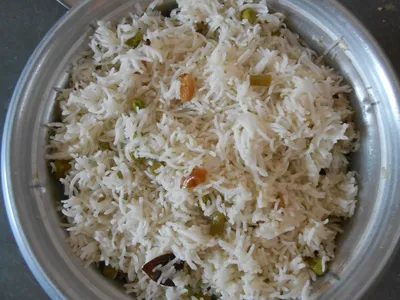
One-Pot Desi Dinners for Tired Evenings (Less Cooking, Less Washing Up)
One pot means one thing to wash. These rice-and-lentil style dinners get a full meal on the table with minimal fuss and very little cleanup.
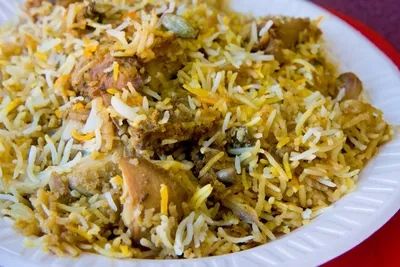
Why Is My Biryani Rice Mushy? Causes and Fixes
Mushy biryani rice has a handful of causes, and each one leaves a different clue in the pot. Find your symptom, then the fix for next time.
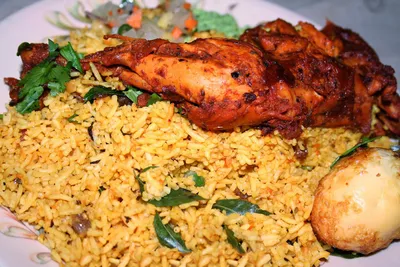
Chicken Biryani Recipe at Home: Layers, Dum, No Mush
A chicken biryani recipe at home comes down to three things: a thick gravy, rice boiled only to 70 percent, and a tight seal. Here is the order of work with amounts and timings from our recipe.
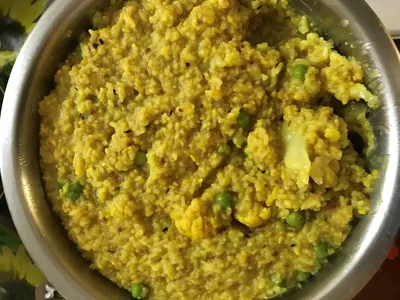
Rice Cooker Desi Meals: One-Pot Dinners Beyond Plain Rice
A rice cooker is the most underused desi kitchen tool. It can make basmati, khichdi and simple pulao while you handle everything else.