 Degchi
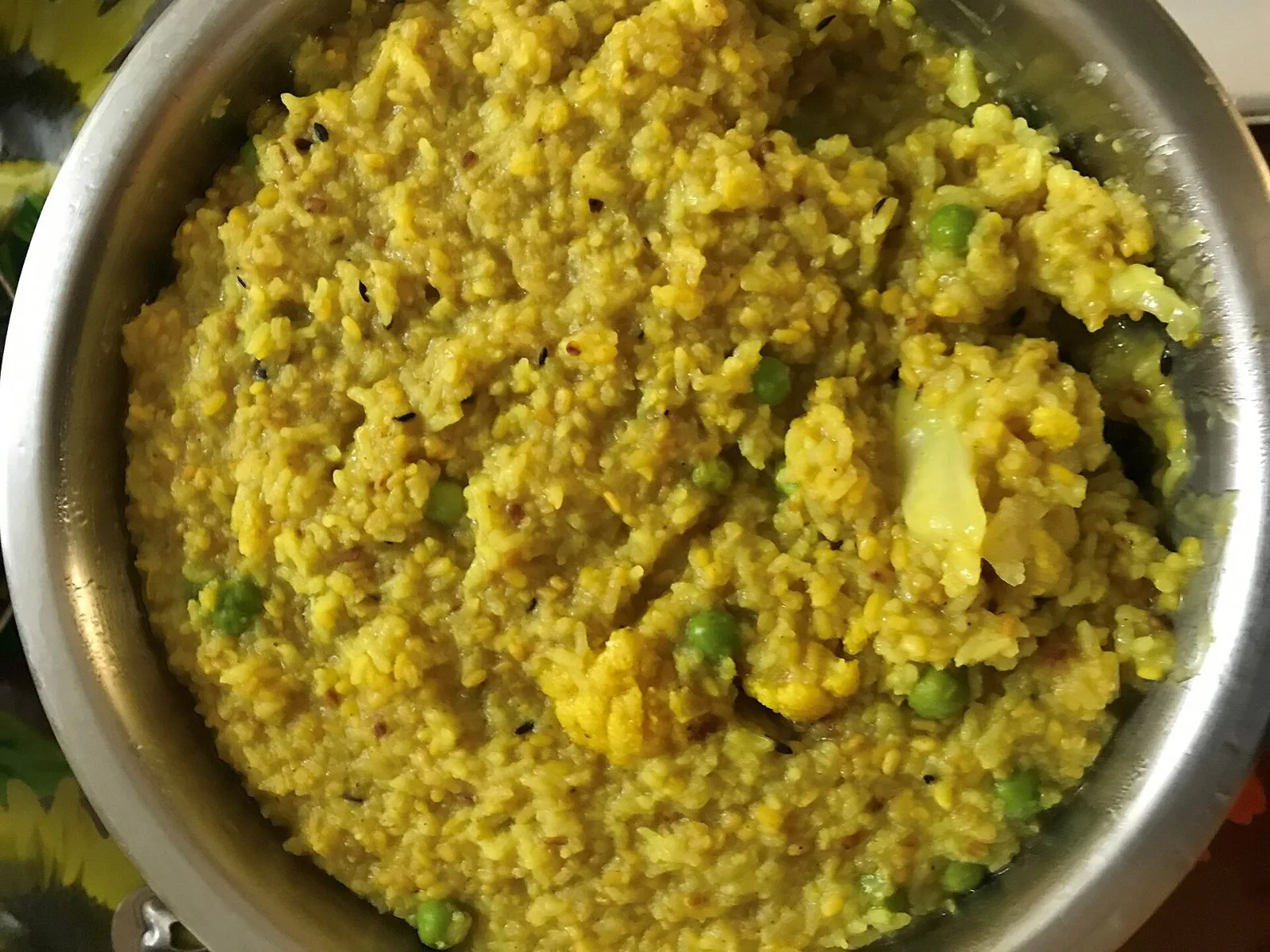
Photo: Rajeeb Dutta / CC BY-SA 4.0
Rice Cooker Desi Meals: One-Pot Dinners Beyond Plain Rice
Why a rice cooker suits desi cooking
Many South Asian meals revolve around rice, and getting it right on the stove takes attention you may not have at 6 pm. A rice cooker handles heat and timing for you. That frees the stove for the curry and your hands for everything else. It also has the benefit of being very forgiving for beginners and teenagers learning to cook.
This post covers plain rice done well and then three one-pot ideas. Since models differ, treat the numbers here as a starting point and adjust with your own cooker.
Perfect basmati, step by step
- Measure with the cup that came with the cooker. It is usually smaller than a standard US cup (about 180 ml rather than 240 ml). Use that same cup for the water.
- Rinse the rice in cold water, swirling and draining until the water runs mostly clear. This removes surface starch so grains stay separate.
- Soak for 20 to 30 minutes if you have time. It gives longer, more even grains. If you do not, it still works; add slightly more water.
- Add water. A common starting point for basmati is about 1 part rice to 1.25 to 1.5 parts water by volume. Older, drier basmati needs more. Many cookers have marked lines inside the pot, which are worth trusting.
- Add a pinch of salt and, if you like, a teaspoon of oil or ghee.
- Start the cooker, and do not open the lid while it runs.
- Rest for 10 minutes after it clicks to warm, then fluff gently with a fork.
If the rice is mushy, reduce water by a couple of tablespoons next time. If it is hard in the center, add a little more and rest it longer.
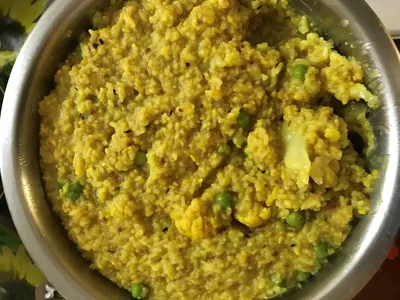
One-pot idea 1: Khichdi
Khichdi is rice and lentils cooked together, a comfort dish across the whole region. On the recipe card it takes about 40 minutes in total for 4 servings. In a rice cooker:
- Use a roughly equal amount of rice and split moong lentils, rinsed well.
- Use more water than for plain rice, about 4 to 5 parts water to 1 part of the rice and lentil mixture for a soft, porridge-like result.
- Add turmeric, salt and a few cumin seeds, and a spoonful of ghee at the end.
Because it is soft and mild, khichdi is a good meal for children, for someone who is unwell, and for days when you want something simple. Serve it with yogurt, pickle or a fried egg.
One-pot idea 2: Vegetable pulao
Matar pulao and sabzi pulao are made by cooking rice with whole spices and vegetables.
- Sauté sliced onion with whole spices (cumin, cloves, cardamom, a small cinnamon stick) in a pan first. Many rice cookers have no sauté function, so a small pan is needed for this step. It adds flavor that is hard to get otherwise.
- Tip the onions and spices into the rice cooker with rinsed rice and vegetables such as peas or diced carrot.
- Use the same water ratio as for plain rice, minus a little for the water the vegetables release.
The result tastes close to a stove pulao with much less watching.
One-pot idea 3: Lemon rice
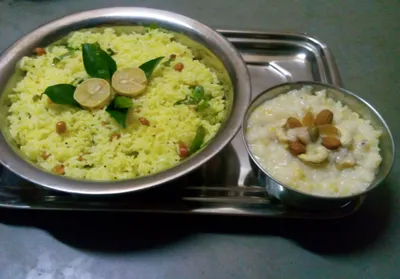
Lemon rice is a South Indian favorite. Cook the rice plain and let it cool slightly. Meanwhile, heat oil with mustard seeds, curry leaves and peanuts, add turmeric and lemon juice, and fold it through the rice. It is a good way to use leftover rice on the first day, as long as the rice was cooled and stored correctly (see below).
Steaming on top
Most rice cookers have a steamer tray or can fit a small heatproof dish on top. You can steam:
- Chunks of potato, carrot or cauliflower.
- Boiled eggs (about 10 to 12 minutes once steam builds, depending on the model).
- A small dish of seasoned fish, cooked until opaque and flaking.
Check the manual for your model. Do not put anything in the cooker that the manufacturer does not allow, and never cover the steam vent.
Food safety with rice
Rice can carry spores of a bacterium that survives cooking and multiplies at room temperature. This is why rice needs a little extra care:
- Do not leave cooked rice on the keep-warm setting for hours. Eat it soon after cooking.
- Cool leftovers quickly, ideally within an hour. Spreading the rice in a shallow tray helps.
- Refrigerate and use within 1 day.
- Reheat once, until steaming hot all the way through.
- Never reheat rice twice.
These guidelines match mainstream public-health advice. If you meal prep, cook the curry ahead and the rice fresh.
Cleaning and care
- Wash the inner pot with a soft sponge; abrasive scrubbers damage the non-stick coating.
- Wipe the heating plate and the lid gasket.
- Do not cook directly in the outer body of the cooker.
- Do not overfill past the maximum line, especially for khichdi, which foams.
Common mistakes
| Mistake | Fix |
|---|---|
| Not rinsing | Rinse until water is nearly clear |
| Opening the lid mid-cycle | Leave it closed until it finishes and rests |
| Using a standard cup for rice and the cooker cup for water | Use one cup for both |
| Too much water for old rice | Adjust by small amounts |
| Keeping rice warm for hours | Serve it or cool and refrigerate it |
Planning around the cooker
A rice cooker works best when the rest of dinner is simple. Pair rice with a daal you made earlier, a quick egg curry, or a salad and yogurt. If you track what is in your pantry, a tool like Degchi, an Android app, can suggest dishes from the rice, lentils and spices you already have. A rice cooker, a bag of basmati and some lentils are enough to cover many weeknights.
Related recipes
Related posts
One-Pot Desi Dinners for Tired Evenings (Less Cooking, Less Washing Up)
One pot means one thing to wash. These rice-and-lentil style dinners get a full meal on the table with minimal fuss and very little cleanup.
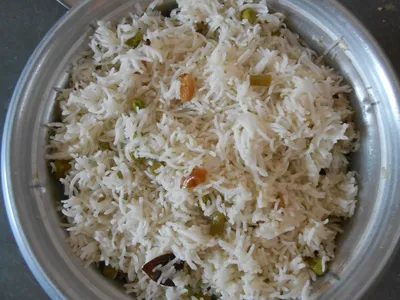
What Can I Cook With Rice? 9 Meals Beyond Plain Boiled
A bag of rice can be fried rice, pulao, khichdi, lemon rice or a cold curd rice. Nine dishes from real recipes, plus the cooked-rice safety rules most people never hear.
Desi Comfort Food for Sick Days: Gentle Meals From the Pantry
When someone at home is unwell, you want soft, warm, simple food. Here are the desi classics families lean on and how to keep them ready.
How to Cook Basmati Rice So the Grains Stay Separate
Separate, long grains come from rinsing, a short soak, the right amount of water for your method and a rest off the heat. Here are the numbers, including the two methods our recipes use.