 Degchi
Beef Tehari vs Biryani vs Polao: How They Differ
The one-line version
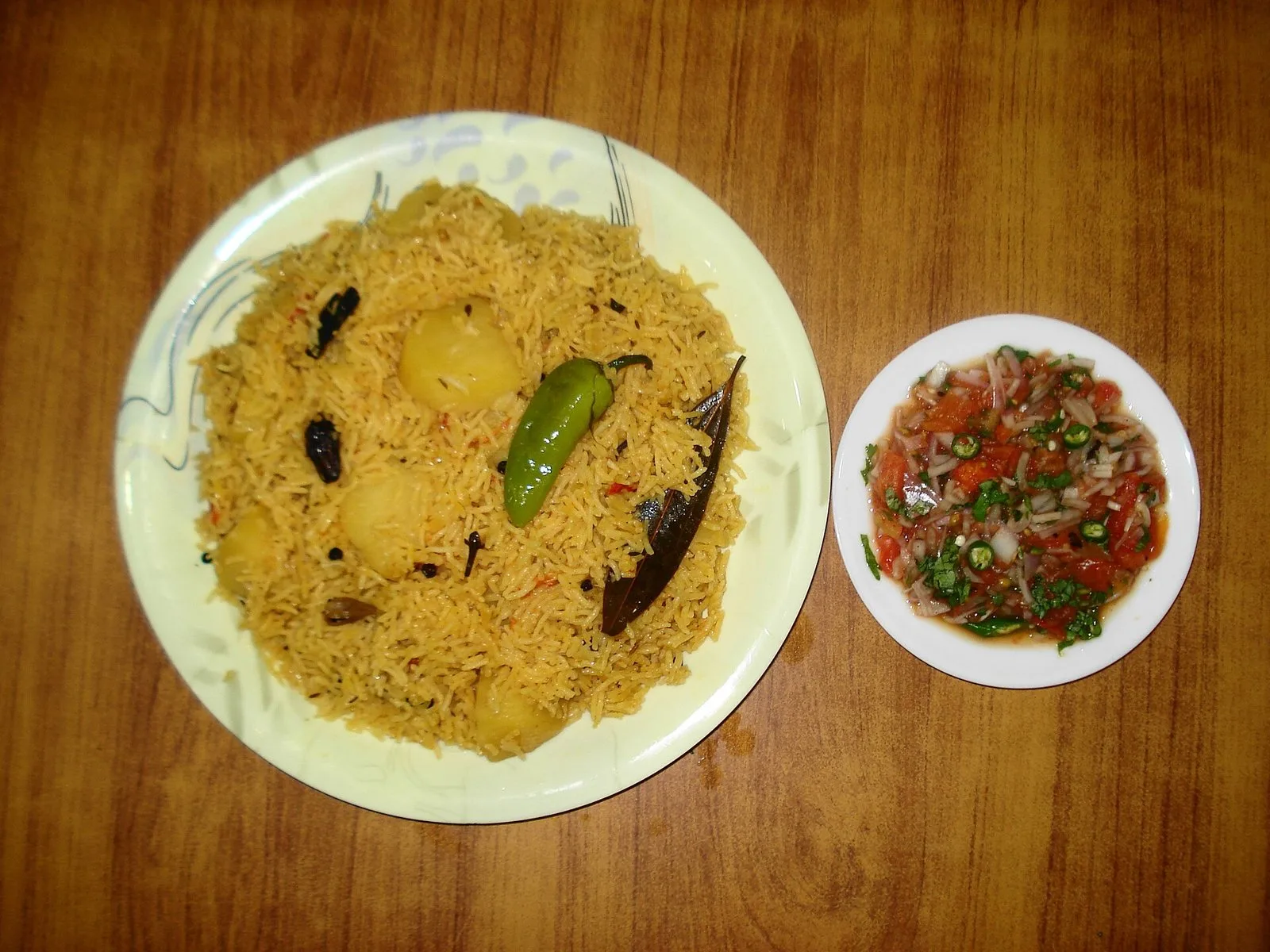
- Tehari: small cubes of beef cook together with the rice in one pot, in mustard oil, with plenty of green chilli.
- Biryani: meat and rice are prepared separately, layered, then sealed and finished on dum (slow steam).
- Polao (pulao): a mild, ghee-scented rice cooked in stock with whole spices. The meat is cooked in the stock or served alongside.
Those are the definitions we use in our recipes, based on Dhaka-style cooking. Regional cooks draw the lines differently, so read this as a practical guide, not a rulebook.
Beef tehari
Our Dhakaiya beef tehari serves 5 and takes 20 minutes of prep and 40 of cooking. It is the quickest of the three.
What goes in:
- 1.1 lb (500 g) beef, cut into small cubes
- 2.5 cups (500 g) fragrant short rice, washed
- 4 tbsp mustard oil
- 3 sliced onions
- 1 tbsp ginger paste and 1 tbsp garlic paste
- 0.4 cup (100 g) yogurt
- 4 cardamom pods, 2 cinnamon sticks, 4 cloves
- Up to 5 green chillies (optional in our recipe), 1/2 tsp turmeric, salt
The beef marinates for 20 minutes. You heat the mustard oil until it stops smoking, fry the onions, add the whole spices and chillies, then cook the beef uncovered until the oil separates at the edges. The rice goes in with hot water, about 1.5 times the rice by volume, and everything finishes covered on the lowest heat. Rest it for 10 minutes and serve with a boiled egg.
Mustard oil is the signature. Our recipe is clear that plain cooking oil will not give you the same sharp smell. Pressure-cooker shortcut: brown the marinated beef, pressure-cook it for about 20 to 25 minutes, release the steam, then add the rice and hot water and finish on low heat with the lid on. Count the juices already in the pot when you measure the water.
Kacchi biryani
Dhaka-style kacchi biryani is the opposite in effort. It serves 6, with 150 minutes of prep (mostly marinating) and 70 of cooking.
The word kacchi means raw. The meat is raw and marinated, not pre-cooked:
- 2.2 lb (1 kg) goat meat, on the bone
- 3 cups (600 g) basmati, soaked 30 minutes
- 1 cup (250 g) yogurt
- 3 tbsp biryani masala
- 6 whole potatoes and 4 onions, fried
- 1 cup (0.25 l) oil plus 4 tbsp ghee
You par-boil the rice to about 70 percent, layer it over the marinated meat and potatoes, seal the pot, and cook on the lowest heat until the meat is fork-tender. A grain pressed between your fingers should snap with a firm white core at the par-boil stage. Fully cooked rice at that point turns mushy. Chicken needs only about 40 minutes of dum.
For comparison, our Pakistani chicken biryani cooks the chicken in a gravy first and layers parboiled rice on top. Both are called biryani. That tells you how wide the word is.
Polao
Morog polao is the chicken version, serving 5 in about 65 minutes. Bone-in chicken (2.2 lb, 1 kg) is simmered nearly done and lifted out, and the stock is measured. Then 2.5 cups (500 g) of washed fragrant rice cook in about 1.5 cups of liquid per cup of rice, with a teaspoon of sugar, cardamom, cinnamon, cloves and bay leaf. The chicken returns, fried onions, raisins and cashews go on top, and it rests covered for 10 minutes.
It is lighter and slightly sweeter than biryani, with no heavy chilli. Do not stir after the rice goes in, or the grains break and turn sticky.
Side by side
| Tehari | Kacchi biryani | Polao | |
|---|---|---|---|
| Fat | Mustard oil | Oil and ghee | Ghee and oil |
| Meat | Beef cubes, cooked with the rice | Raw marinated goat, layered | Chicken cooked in stock |
| Heat | Green chilli | Biryani masala, green chilli | Mild |
| Method | One pot | Layered, dum | Stock-cooked rice |
| Effort | Low | High | Medium |
Where did tehari come from?
This is where sources disagree. Some food writing places beef tehari in Old Dhaka, sold from street stalls as a cheap, filling lunch. Others trace the name to tehri, a vegetarian rice dish linked to Awadh in northern India and said to be associated with Kayastha bookkeepers. One researcher quoted in an article says she has not found court literature confirming the Awadh story. We would call both a popular story, not a documented fact. A writer cited in one source says tehari is neither layered like biryani nor cooked in yakhni stock like polao, which supports the practical definitions above.
Which one for tonight?
If you want rice and meat on the table in under an hour, start with tehari. If you are feeding a crowd and can plan ahead, biryani repays the effort. If someone at the table cannot take chilli, polao is the gentle option.
Scaling tehari for a bigger table
Our recipes show metric and US amounts, with a servings scaler, so you can scale tehari from 5 servings to 10 without redoing the maths. Degchi is free and in closed beta. Join the beta to try it, or open the recipe library.
Recipes with potatoes Recipes with rice Recipes with onions
Related recipes
Related posts
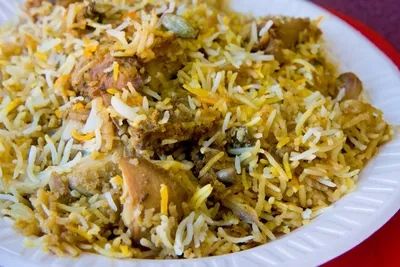
Hyderabadi, Bombay, Dhaka and Karachi Biryani Compared
Kacchi or pakki, potato or none, yogurt or tomato. This is how four regional biryanis differ in the pot, using amounts from our own recipes.
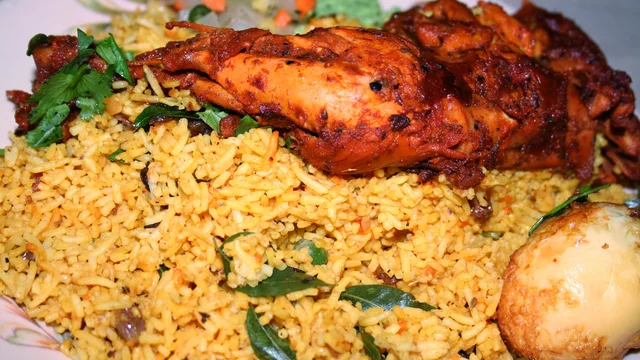
Indian vs Pakistani Biryani: What's Actually Different
Biryani is claimed proudly by both countries, and both are right to claim it. Here's what actually differs between the common Pakistani styles and the many regional Indian ones — without picking a winner.
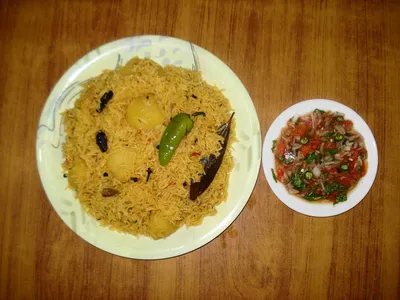
Beef Tehari Recipe, Bangladeshi Style: Cut, Oil, Water
A beef tehari recipe lives or dies on three choices: the meat, the mustard oil and the water. Here is the reasoning behind each, using amounts from our Dhaka-style recipe.
Dhaka-Style Tehari Explained: Mustard Oil, Beef and One Pot
Dhaka tehari cooks small beef cubes right into the rice with mustard oil and green chilli. Here is what makes it different from biryani, where the name comes from, and how to cook it.