Degchi
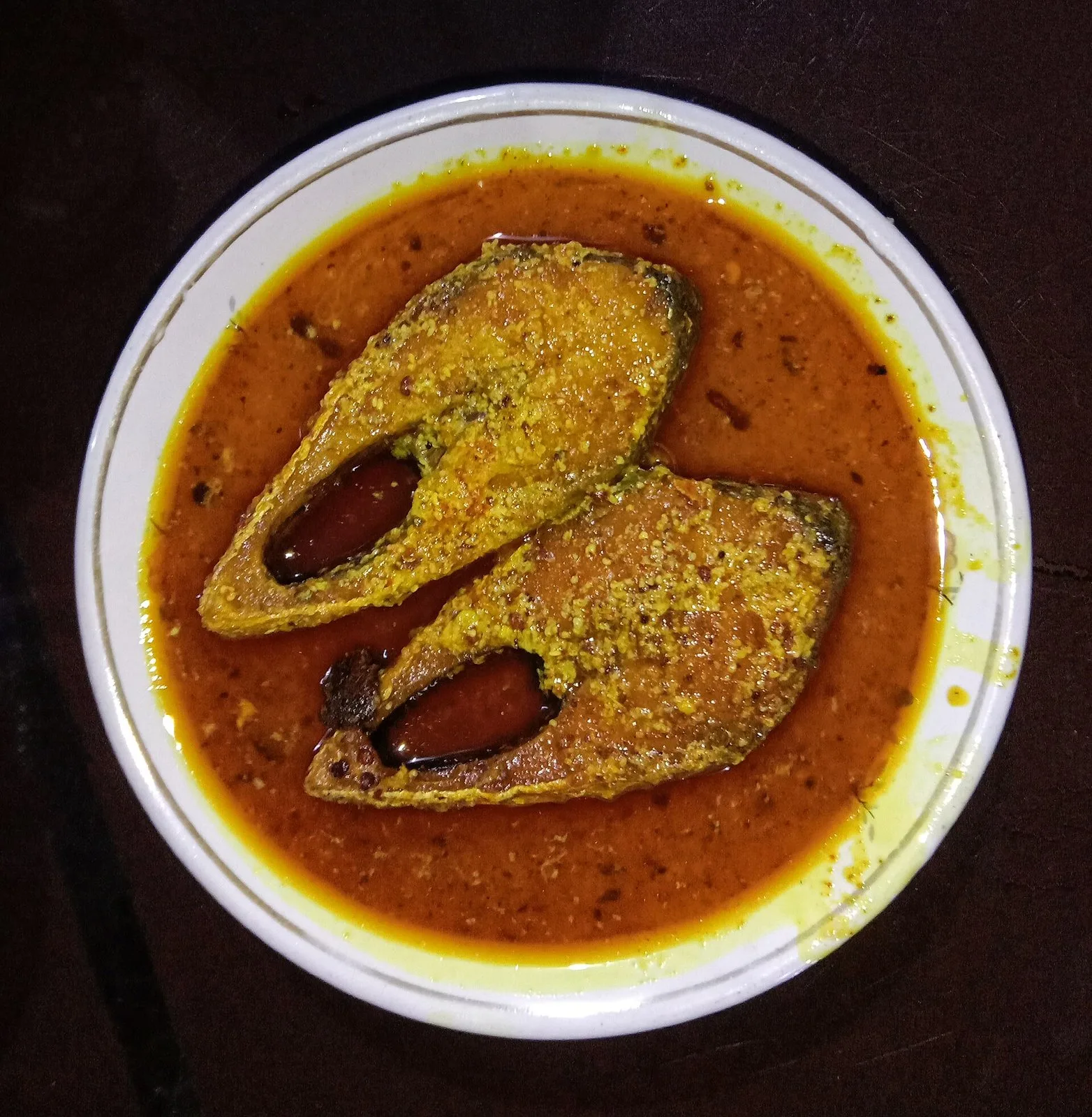
Photo: Billjones94 / CC BY-SA 4.0
Why Is My Mustard Paste Bitter? Shorshe Bata Fixes
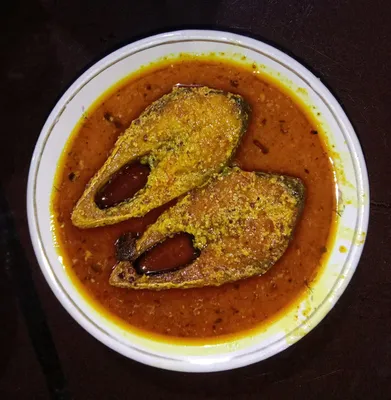
The fish is perfect, the gravy is the right shade of yellow, and the first spoonful tastes like a bitter pill. If you are asking why is my mustard paste bitter, you have met the problem that catches almost everyone who tries shorshe fish at home. The seeds are not wrong. The handling is.
Our shorshe ilish recipe is written around this problem. It serves 4 with 600 g (about 1 1/3 lb) of fish steaks, 3 tbsp mustard seeds, 4 tbsp mustard oil, 1 tsp turmeric and 4 green chillies, and it spends more words on the paste than on the fish.
What the recipe tells you to do
- Soak 3 tbsp mustard seeds in cold water for 15 minutes.
- Grind them with 2 green chillies, a pinch of salt and a splash of cold water into a coarse paste.
- Do not over-grind or use warm water, or the paste turns bitter.
- Heat the mustard oil until it just starts to smoke, then lower the heat.
- Add the paste and a splash of water and simmer 2 minutes without browning it.
Each of those is a bitterness control, not a flavour choice.
Why heat and time make it bitter
Mustard seeds make their sharp, pungent taste when the cells are crushed and water meets the compounds inside. That reaction is quick, and it runs best cold. Hot water and long, hot grinding push it toward a bitter, harsh taste instead of a clean heat. Cooks across Bengal repeat the rule: cold water, short grind.
<!-- VERIFY: mustard pungency chemistry (myrosinase reaction, heat and bitterness); explain to a lay reader only after checking a food-science source -->
So the habits that cause bitter paste are:
- Warm or hot soak water. Use cold, even ice-cold in summer.
- A long blender run. A blender heats the paste in a minute or two. Pulse in bursts, rest, pulse.
- Grinding dry. Add the cold water a splash at a time, and keep the paste coarse.
- Making it hours ahead. Fresh paste is best. If you must prepare it early, keep it in the fridge.
Brown seeds, yellow seeds, black seeds
Brown and black seeds are much hotter than yellow ones. If your paste tastes too sharp even when it is not bitter, check the packet. Most Bengali recipes use a mix, or the black ones. Yellow seeds are the kind sold for pickling and are milder. The recipe does not name a colour, so start with what you can find and adjust with the chillies.
<!-- VERIFY: colour and heat of mustard seeds; commonly stated but unsourced here -->
Cooking it without browning
After grinding, the paste meets hot oil. The recipe lets the oil just start to smoke, then drops the heat before the paste goes in. Then it simmers for 2 minutes without browning. Browned mustard paste is bitter, and so is paste scorched at the bottom of the pan. If the pan sizzles aggressively when the paste goes in, lift it off the heat for 10 seconds.
Add the first cup of hot water slowly, with the salt and the 2 slit chillies. Bring it to a gentle boil, slide the fish in, and shake the pan instead of stirring. When the oil floats to the top, switch off and finish with a spoon of raw mustard oil.
Our mustard oil guide covers how hot to take the oil.
Quantity and salt
The recipe uses 3 tbsp of seeds for 600 g of fish, about 4 servings. More paste is not better. Overloading the pot makes the gravy gritty and sharp, and any bitterness is multiplied. A pinch of salt in the grind helps break the seeds, but keep the full seasoning for the pot, since the oil and water change how salty it tastes.
A mortar and pestle makes the gentlest paste. It stays cool, and you control the texture. If a blender is all you have, chill the jar and the water first, and keep the quantity small so the blades have something to grab.
Rescuing a bitter pot
Nothing removes bitterness fully. You can soften it:
- Add a pinch of sugar. The tips in our recipe note that some cooks add it to the paste.
- A teaspoon of plain yogurt stirred in off the heat can round the edge, though it will change the colour slightly.
- Dilute with hot water and re-season, if the pot is thick.
- Serve with plenty of plain steamed rice.
If the bitterness is strong, accept it, and save the next batch.
The same paste in other dishes
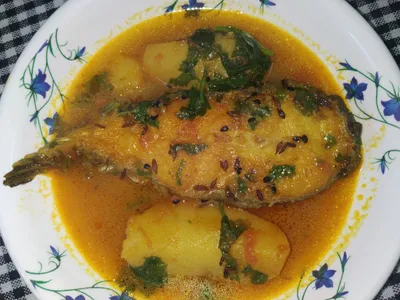
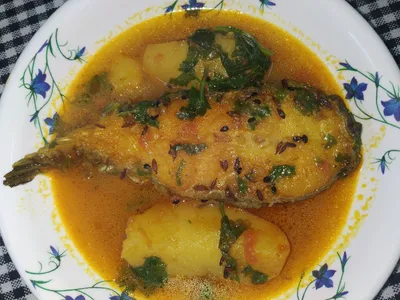
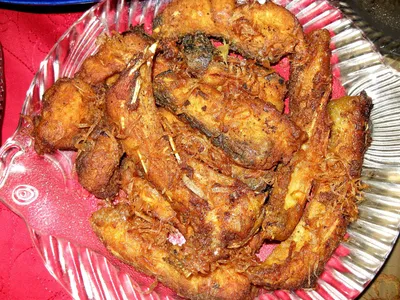
The method works for any shorshe dish. Try it in Bengali fish curry with frozen fish, or as the base for a vegetable shorshe. Fried fish such as maach bhaja pairs well on the side, since the plain frying offsets the sharp curry. If you cannot find hilsa, substitutes for ilish lists what to buy.
Fast checklist for the paste
| Step | Do | Avoid |
|---|---|---|
| Soak | 15 minutes, cold water | Warm water |
| Grind | Short pulses, coarse | Long smooth blend |
| Chillies | 2 in the paste | Skipping them |
| Oil | Smoking then lowered | Adding paste into a roaring pan |
| Simmer | 2 minutes, no browning | Frying until brown |
Keep this card next to the stove. To see if your fridge and shelves already cover the fish, oil and seeds, Degchi can check.