 Degchi
Chapli vs Seekh vs Shami Kabab: How They Differ
Same mince, different outcome
Put chapli, seekh and shami on one table and they look like cousins who have never met. All three start with minced meat, yet they differ in binder, moisture, shape and cooking. Pick the wrong one for the tools you have and you end up with a crumbled patty or a skewer that slides off.
Our library has chapli kabab, seekh kabab and shami kabab. This post compares them so you can choose before you shop.
The comparison at a glance
| Chapli | Seekh | Shami | |
|---|---|---|---|
| Meat | Beef or mutton mince, fatty | Lamb, beef or chicken mince | Meat plus boiled chana daal |
| Shape | Flat disc, 10 to 12 cm (4 to 5 in) | Long cylinder on a skewer | Small patty, 6 to 7 cm (2 1/2 in) |
| Binder | Cornflour or egg, a little | None or a little gram flour | Egg, daal itself |
| Texture | Coarse, crisp rim, juicy centre | Springy, smoky | Soft, smooth, almost pate-like |
| Cooked by | Shallow or deep fry | Grill, oven or pan | Shallow fry |
| Seasoning | Pomegranate seeds, coriander seed, tomato | Green chilli, ginger, garam masala | Whole spices boiled with the meat |
Chapli: coarse, fatty, flat
Chapli comes from Peshawar. The mince is left rough, not ground fine, and mixed with chopped tomato, onion, green chilli, crushed coriander seed and pomegranate seed (anardana). It is not pre-cooked. A cornflour or egg binder is optional; many cooks skip it and rely on cold, fatty mince. Use 20% fat if you can; lean mince makes a dry disc.
Shape it flat and about 1.5 cm (5/8 in) thick, pressing a dent in the centre so it cooks evenly. Fry in about 1 cm (1/2 in) of oil over medium-high heat for 3 to 4 minutes a side. The edges should frill and crisp.
Seekh: smooth, spiced, squeezed onto a skewer
Seekh means skewer. The mince here is ground fine, often twice, with ginger-garlic, green chilli, coriander and garam masala. The mixture needs to be sticky enough to hold to the skewer and not so wet it slides. Chill it for an hour, then press it around the skewer in a thin sausage shape about 2 cm (3/4 in) thick.
Beef or mutton mince reaches a safe 71 C (160 F); chicken needs 74 C (165 F). Grill or broil for 8 to 10 minutes, turning. A wet hand stops the meat sticking while shaping. For the full method, see seekh kabab, juicy at home.
Shami: boiled first, then fried
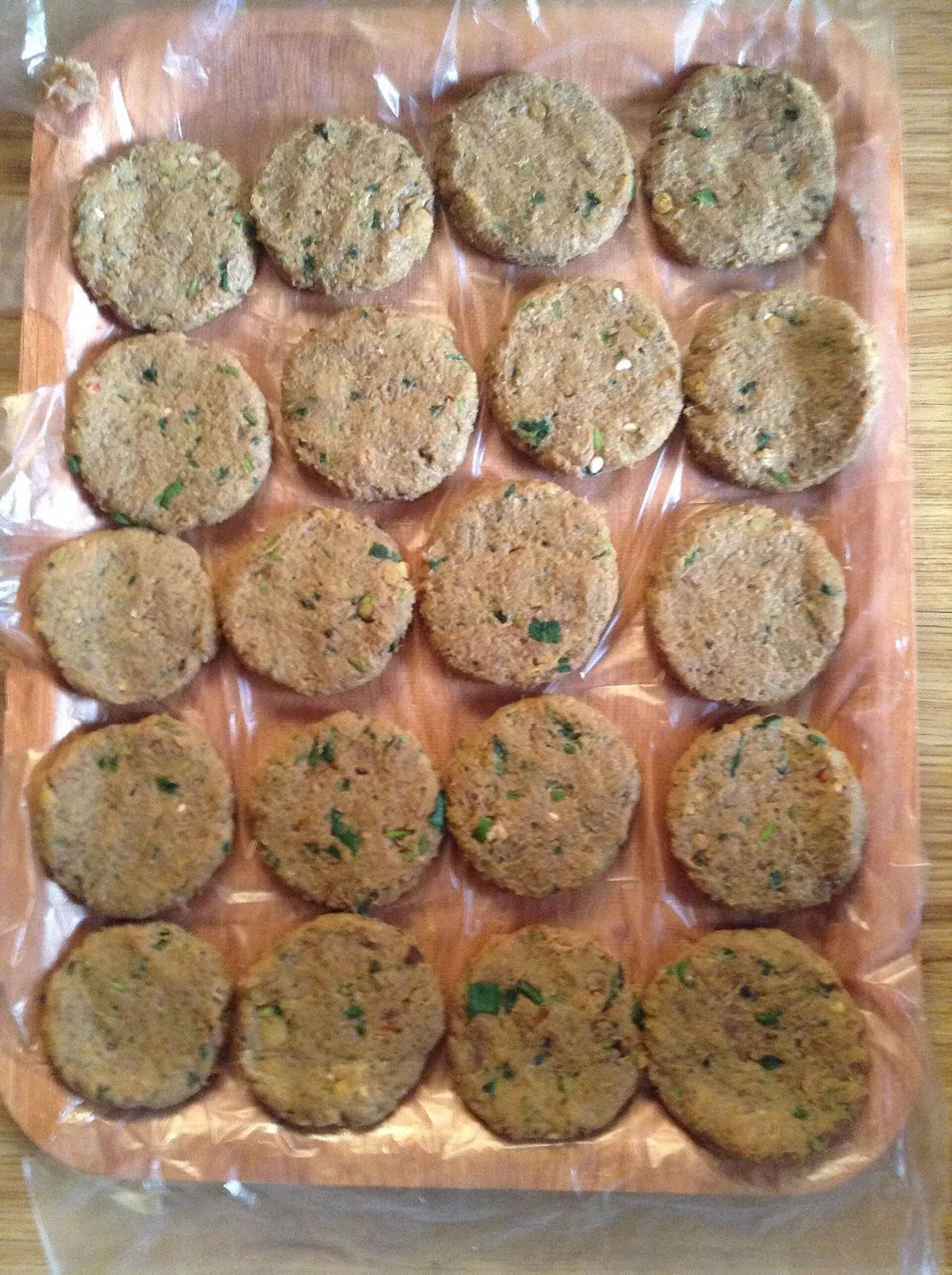
Shami is the odd one out. The meat is boiled with chana daal and whole spices until the water is almost gone, then ground to a paste, bound with egg and shaped into small patties. This is why shami is soft, mild and the most forgiving. It also splits more easily; the reasons and rescue steps are in shami kabab falling apart.
A dab of chutney and a fresh mint-and-onion filling inside turns it into a snack. Shami also makes the base for a bun kabab burger.
Which one for which night
- Under 40 minutes, no grill: chapli. One pan, one mixing bowl, no pre-cook.
- Barbecue or oven tray: seekh. You need skewers and a very hot grill.
- Make ahead, freeze: shami. Shaped patties freeze on a tray for 1 hour, then in a bag for up to 3 months.
- Using leftover daal and meat: shami.
Buying the mince for each
The mince matters more than the spice mix.
- Chapli: ask the butcher for a coarse grind with about 20% fat. If you only have lean supermarket mince, add 2 tablespoons of melted ghee or oil per 500 g (1 lb).
- Seekh: ask for a fine, double grind, or run coarse mince through a food processor in short pulses. Fat at 15 to 20% keeps it juicy over fire.
- Shami: lean mince is fine here, because the boiling and the daal supply the softness. Mutton and beef both work, and the cheaper cuts suit it well since they are cooked until tender first.
Timing sheet for one evening
| Kabab | Prep | Chill | Cook | Total hands-on |
|---|---|---|---|---|
| Chapli | 15 min | 20 min | 8 min | about 25 min |
| Seekh | 20 min | 60 min | 10 min | about 30 min |
| Shami | 60 min boil and grind | 30 min | 10 min | about 45 min |
Shami has the longest prep but is the easiest to do the day before; the shaped patties sit happily in the fridge until you fry them.
What to serve with each
Chapli likes tomato-cucumber salad and plain naan. Seekh suits chutney, sliced onion with sumac or lemon, and roti. Shami goes with a yogurt-mint chutney and is the one most often eaten as a tea-time snack or tucked into bread. A squeeze of lemon helps all three cut through the fat.
Reheating and freezing
Reheat chapli and shami in a pan or a hot oven, never in a microwave alone, so the crust comes back. Seekh reheats best wrapped loosely in foil in the oven. Leftover cooked kababs should reach steaming hot all the way through before eating.
Common mistakes by type
- Chapli breaks in oil: the mix is too wet or the oil is too cool. Add a tablespoon of cornflour and wait until a pinch of mixture sizzles at once.
- Seekh falls off the skewer: too much liquid from onions. Squeeze grated onion dry in a cloth.
- Shami cracks: not enough binder or too dry. Add one more egg or a spoon of the boiling liquid.
A kabab tasting plate
If you want to compare all three, make half batches from 300 g (2/3 lb) of mince each. Serve with chutney, lemon, onion rings and warm paratha. Degchi can hold the shopping list so that tomatoes, pomegranate seeds and chana daal are on it at once; see the try-it page.
Recipes with yogurt Recipes with minced meat Recipes with chickpeas Recipes with tomatoes
Related recipes
Related posts
What Can I Cook With Minced Meat (Keema)? 8 Dishes and Safe Handling
Minced meat is the fastest meat in the freezer. Eight dishes from our recipes, from a 40-minute shimla keema to chapli kabab, with safe temperatures and storage.
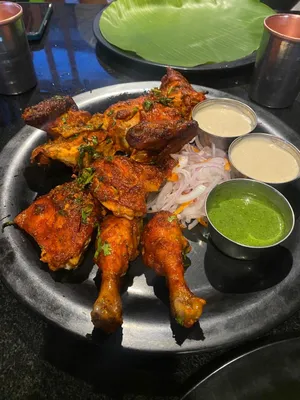
"Skewers for Seekh Kabab and Tikka: Flat, Round or Wooden?"
"Round skewers make seekh kabab spin and wooden ones burn. A short buying and using guide for the most underrated kebab tool."
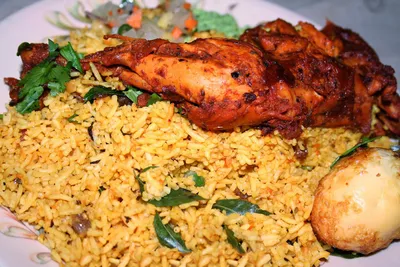
Eid Dawat Menu for 10 People: Quantities and a Cooking Plan
A realistic Eid dawat menu for 10 guests, with every quantity scaled from our recipe pages and a two-day timeline that keeps the host out of the kitchen when the doorbell rings.
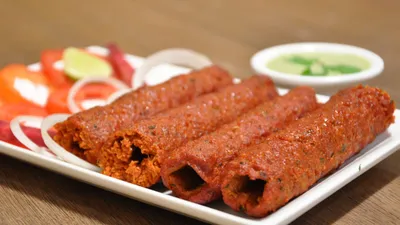
"Kebab Rolls at Home: Paratha Wraps That Don't Go Soggy"
"A kebab roll falls apart for three reasons: wet filling, thin bread, and no wrap. Fix all three and a Tuesday leftover becomes street food."