 Degchi
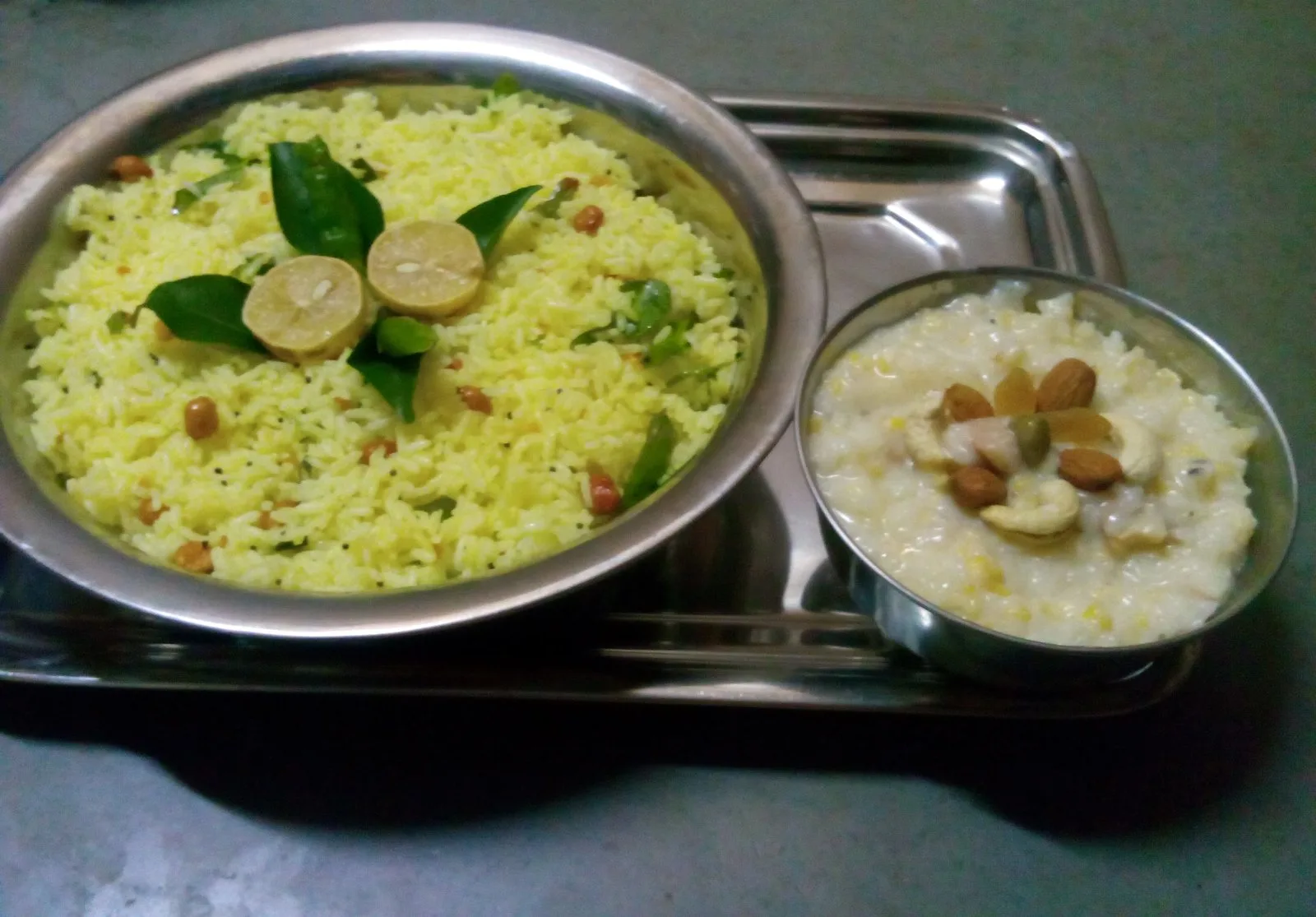
Photo: Radhikapavan / CC BY-SA 4.0
Curry Leaves: Fresh, Frozen or Dried? How to Use Them
You bought one bunch of curry leaves for a single upma, and ten days later the rest is a bag of black, curled-up confetti at the bottom of the fridge. Everyone who cooks South Indian food has done this. Curry leaves (kadipatta, also spelled kari patta) are cheap, but they are the most perishable thing in a tadka, and the dried ones in the spice aisle are a different product altogether. Here is how to buy, store and use them so none go to waste.
How many leaves do our recipes actually use?
It varies more than people expect, and the data is the best guide:
| Dish | Leaves in the recipe |
|---|---|
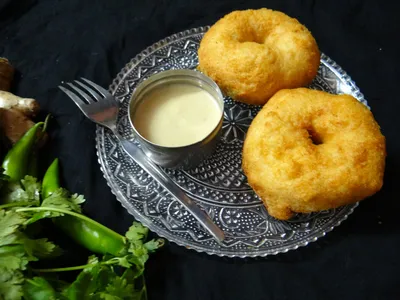
| Medu vada | 8 |
| Lemon rice | 10 |
| Curd rice | 10 |
| Vada pav | 10 |
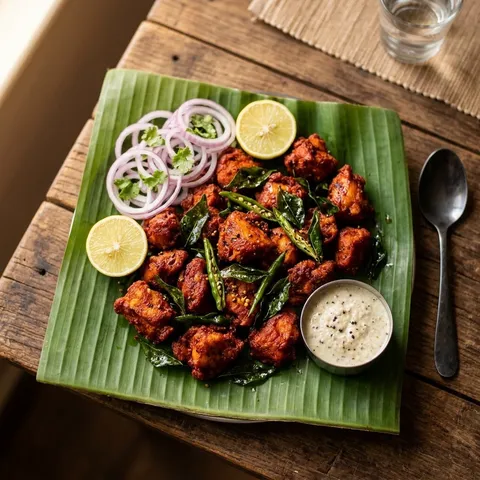
| Chicken 65 | 15 |
So a short sprig, about 8 to 15 leaves, covers a pot for four. Upma and rasam go in the same range, tempered in hot oil with mustard seeds. That is why a single bunch should stretch across three or four dishes, not one.
The sound test: what fresh leaves do in hot oil
Fresh leaves carry water. Drop them into a pan of hot oil and they spit, hard. Step back or tilt the lid as a shield. When the spluttering calms, the leaves go glassy and crisp and the oil smells nutty and faintly citrusy. In our upma, the instructions are to temper mustard seeds and curry leaves "until they crackle", which takes around a minute, and rasam's final tempering is also about 60 seconds. If they brown or smell scorched, the oil was too hot; bin it and restart rather than pouring bitterness over a good pot.
Dry the leaves before they hit the oil. Water on the surface is what makes the splatter worse.
Fresh, frozen or dried
Fresh is the benchmark. Bright green, strongly fragrant when you rub one between your fingers.
Frozen is, for most cooks, a very close second. Freezing keeps the aroma well enough that most home cooks use them straight from the freezer into hot oil, no thawing. Handle with a dry spoon and expect extra spitting from the ice.
Dried is the weak option. The aroma is much fainter and more like hay. If it is all you have, use a generous pinch and add it to the oil slightly earlier, but accept that it is a background note rather than the star. A dish like lemon rice will taste fine; it will not taste like the one at your favourite restaurant.
<!-- VERIFY: "frozen is a close second" and the dried-leaf comparison are common cooking opinion, not from a cited source. -->
Keeping a bunch alive
- Pluck first. Take the leaves off the stem. Stems rot and take the leaves with them.
- Dry them completely. Spread on a clean towel for an hour.
- Choose one container.
- Fridge: paper towel in a lidded box. They often keep for a week or two this way.
- Freezer: lay them flat in a zip bag, press out the air, and cook straight from frozen. Several months is the usual advice.
<!-- VERIFY: "a week or two" in the fridge and "several months" in the freezer are typical home-cook estimates, not measured. -->
Washing only what you will cook that day is a small rule that saves a lot of black leaves.
When to add them: the two patterns
Curry leaves have two jobs, and the timing differs.
Tempering first. In upma, lemon rice, curd rice and most South Indian dishes, they go into the hot oil right after the mustard seeds pop. The oil carries the flavour through the whole dish. Our tadka explainer and the tempering names post cover the technique.
Tempering last. In rasam and daal, the leaves go into a small pan of hot oil at the end and the sizzling oil is poured over the finished pot. The aroma stays loud because it has not been simmered away. See the difference between tadka at the end and masala at the start.
Chicken 65 is the third pattern: leaves are fried briefly in the same oil as the chicken, so they turn crisp and can be eaten as a garnish.
Do you eat the leaves?
Many people leave them on the side of the plate. They are edible, but they can be fibrous and sharp, especially if they were not crisp. If you do not like the texture, fry them until fully crisp, or keep them as a flavour carrier and lift them out.
What if you cannot find any?
There is no true substitute. Bay leaf is sometimes mentioned, but it tastes quite different. For a dish where kadipatta is the central note, such as lemon rice, it is better to skip the leaf and make the dish with mustard seeds, chana daal and chilli than to fake it. Asian groceries often stock fresh or frozen bags; our expat kitchen guide lists other items worth hunting for.
A buying and using plan for one bunch
- Day 0: pluck, dry, split into two. One half to the fridge, one half to the freezer.
- Day 1 or 2: upma or lemon rice for breakfast or lunch.
- Day 4: rasam or curd rice.
- Day 7 and later: the frozen half goes into chicken 65 or any tadka.
If you want to see which of these dishes your current pantry already supports, Degchi lets you try that without signing up.
Recipes with yogurt Recipes with chickpeas
Related recipes
Related posts
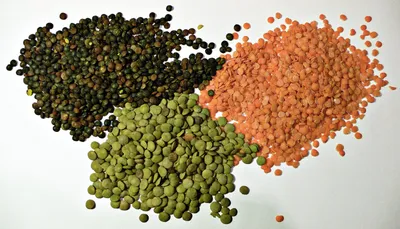
Best Before vs Use By: What Dates Mean on Daal, Rice and Atta
A date on a packet of daal does not mean the same as a date on chicken. Here is how best before and use by differ, and what to check on desi pantry staples.
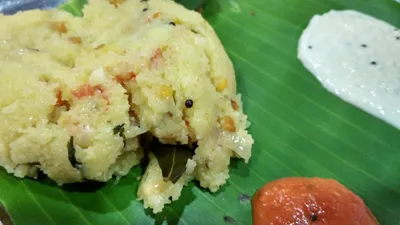
Mustard Seeds (Rai): Why They Pop and When to Add Them
Mustard seeds that will not pop, or pop and turn bitter, wreck a tadka before it starts. Here is the heat, timing and amounts that work for South Indian dishes.
Methi Seeds vs Fresh Methi vs Kasuri Methi: Which for What
Same plant, three very different ingredients. Here is what methi seeds, fresh leaves and dried kasuri methi do in a pot, and how to avoid the bitter mistake.
Curd Rice vs Lemon Rice: Two Opposite Rice Rules
One dish wants rice mushy and warm, the other wants it cool and loose. Get that wrong and curd rice turns sour or lemon rice turns to paste.