 Degchi
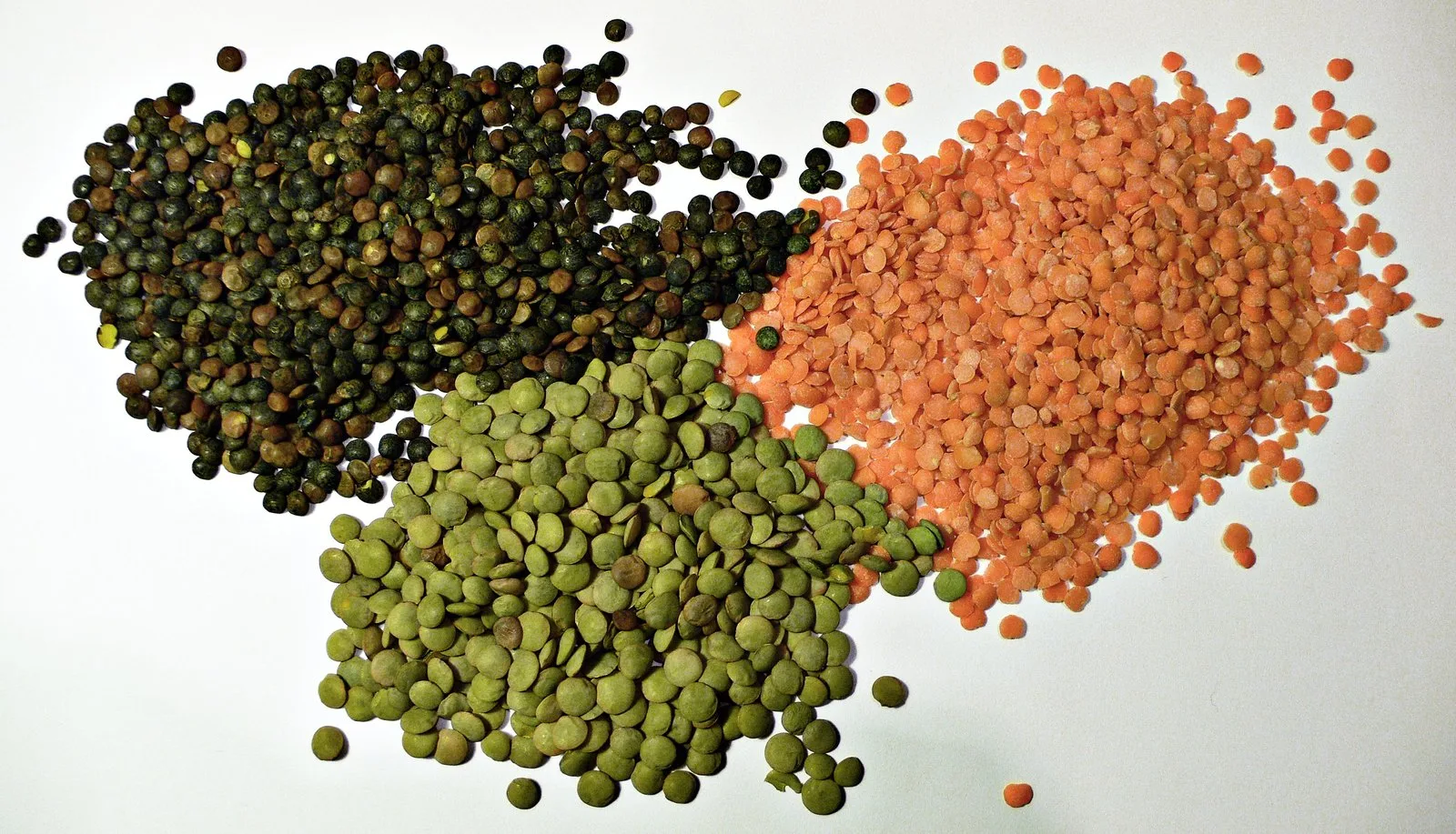
Photo: User:Justinc / CC BY-SA 4.0
Best Before vs Use By: What Dates Mean on Daal, Rice and Atta
You find a 1 kg bag of toor daal at the back of the cupboard. The "best before" date was three months ago. Do you bin it, or cook it? Then you spot a tub of fresh paneer and a "use by" tomorrow. These dates look similar and mean different things. Knowing the difference between best before vs use by saves good food, and it stops you taking a risk where it matters.
Two dates, two meanings
Best before is about quality. After the date the food may be less crisp, less fragrant or less fresh, but it is not suddenly unsafe when it has been stored properly.
Use by is about safety. It appears on foods that can spoil dangerously, such as fresh meat, fish and some dairy. Do not eat them after it.
This is the general approach used by food-safety agencies in the UK and US, though labelling rules differ between countries, and in the US most date labels are not federally required.
<!-- VERIFY: UK FSA wording (use by = safety, best before = quality) and that most US date labels are not required federally (infant formula excepted) were not opened for this draft; check FSA and FDA/USDA pages before publishing. -->
Which staples fall where
| Item | Usual label | What the date tells you | What to check |
|---|---|---|---|
| Dried daal and lentils | Best before | Quality | Smell, insects, damp, how long they take to soften |
| Basmati and other rice | Best before | Quality | Smell, insect webbing, musty odour |
| Atta and flour | Best before | Quality | Stale or sour smell, clumps, bugs |
| Whole and ground spices | Best before | Aroma | Smell and colour |
| Ghee and oil | Best before | Quality | Smell and taste for rancidity |
| Fresh paneer, yogurt | Use by or best before | Check the pack | Smell, texture, mould |
| Fresh meat and fish | Use by | Safety | Follow the date |
Daal: past the date, but still fine?
Dried lentils are low-moisture food. Past their date, the common problem is age: very old daal can take much longer to soften and may never go creamy. Our old lentils and hard water post explains why, and the storing daal guide shows how to tell old from fresh.
The recipes on this site assume reasonably fresh lentils. Dal tadka pressure-cooks 150 g (5.3 oz) each of moong and masoor for about 15 minutes, or simmers for 30 to 35 minutes in an open pot. If your older daal takes noticeably longer than that, you now know why. Masoor daal is the quickest to soften and the most forgiving.
Do not cook daal that smells musty or sour, is damp or clumped, or has webbing or live insects. That is spoilage or infestation, not age.
Rice and atta
Rice keeps well when dry and sealed. Flour is the one to watch: its natural oils turn stale, and bugs get in. Our atta storage guide covers containers and the smell test. If a bag smells sour, bitter or like old paint, bin it, whatever the date says.
<!-- VERIFY: smell descriptors for stale flour are typical advice, not from a cited source. -->
Dried beans and chickpeas
Old chickpeas and kidney beans are another case of "safe but stubborn". Chana masala calls for soaking dried chickpeas for 8 hours or overnight and boiling for 45 to 60 minutes (10 to 12 in a pressure cooker). Very old beans may need a lot more. Kidney beans must be boiled thoroughly, which the recipe covers; see dal makhani, where the soaked black lentils and kidney beans are pressure-cooked for about 40 minutes.
Cooked food is another story
The date on the packet stops mattering once you cook. Then the clock is yours. Standard guidance: cool cooked rice within about an hour, keep it in the fridge for no more than a day, and reheat leftovers until steaming hot. Chicken must reach 74 C (165 F) and mince 71 C (160 F) when cooked. Our cooling and reheating post walks through it.
A two-minute check before you cook with old stock
- Sniff. Fresh smells of the food. Musty, sour, oily or chemical is a no.
- Look. Moths, webbing, tiny holes, clumps, dark spots, mould.
- Feel. Damp, sticky or caked means moisture got in.
- Taste a tiny amount only if sight and smell are fine, and spit it out if it tastes flat or bitter.
- Decide. Quality issue? Use it up in a strongly spiced dish. Safety doubt? Bin it.
What to do with stock that is merely old
- Use it up first in dishes with strong flavour, such as a loaded dal tadka or a heavy masala.
- Put a note on the front of the shelf: "use this week".
- Do not mix old and new in the same jar, or you cannot tell which is which.
- Write the purchase month on a strip of tape when you open a pack.
The shelf habit that prevents this
A ten-minute pass through the cupboard once a month, using our weekly pantry reset or the spice shelf audit, costs less than throwing out a full bag. In an app like Degchi, you can mark things as Have, Low or Out, which makes forgotten bags easier to spot.
Mistake list
- Throwing out a sealed packet of daal because the date passed last week.
- Keeping chicken or fish past a use by date because "it smells fine".
- Pouring new rice on top of old in the same container.
- Ignoring a flour bag that smells off because it is "only a bit".
Recipes with rice Recipes with minced meat Recipes with paneer Recipes with chickpeas
Related recipes

Related posts
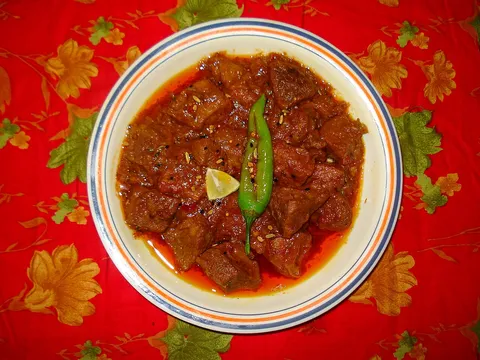
Methi Seeds vs Fresh Methi vs Kasuri Methi: Which for What
Same plant, three very different ingredients. Here is what methi seeds, fresh leaves and dried kasuri methi do in a pot, and how to avoid the bitter mistake.
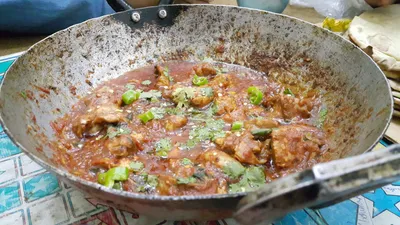
What to Thaw Tonight: A Fridge Thaw Schedule for the Week
The 5 pm moment when the chicken is still a block of ice is a planning problem, not a cooking one. A simple night-before thaw schedule fixes it.
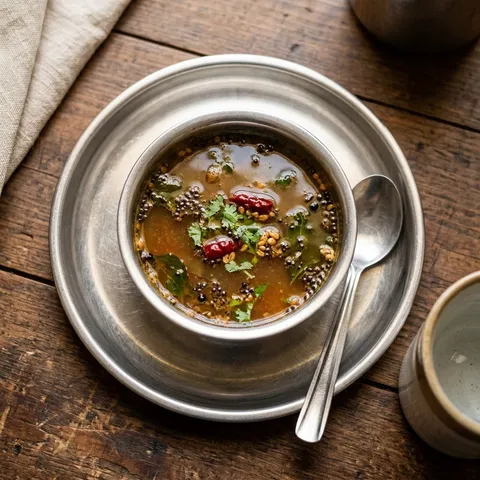
Tamarind Block vs Paste vs Concentrate: Which to Buy
Three jars, one word on the label, very different strength. Here is how to tell tamarind block, paste and concentrate apart and how to swap them in imli recipes.
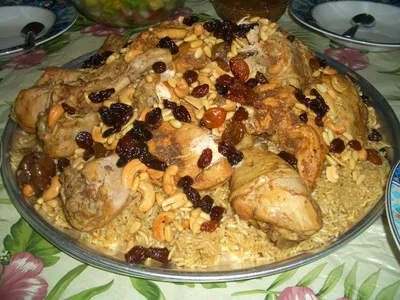
What to Do With Leftover Kabsa or Machboos
A pot of kabsa or machboos almost always makes more than a family eats. Here is how to store it safely and turn the leftovers into a second dinner that does not feel like leftovers.