 Degchi
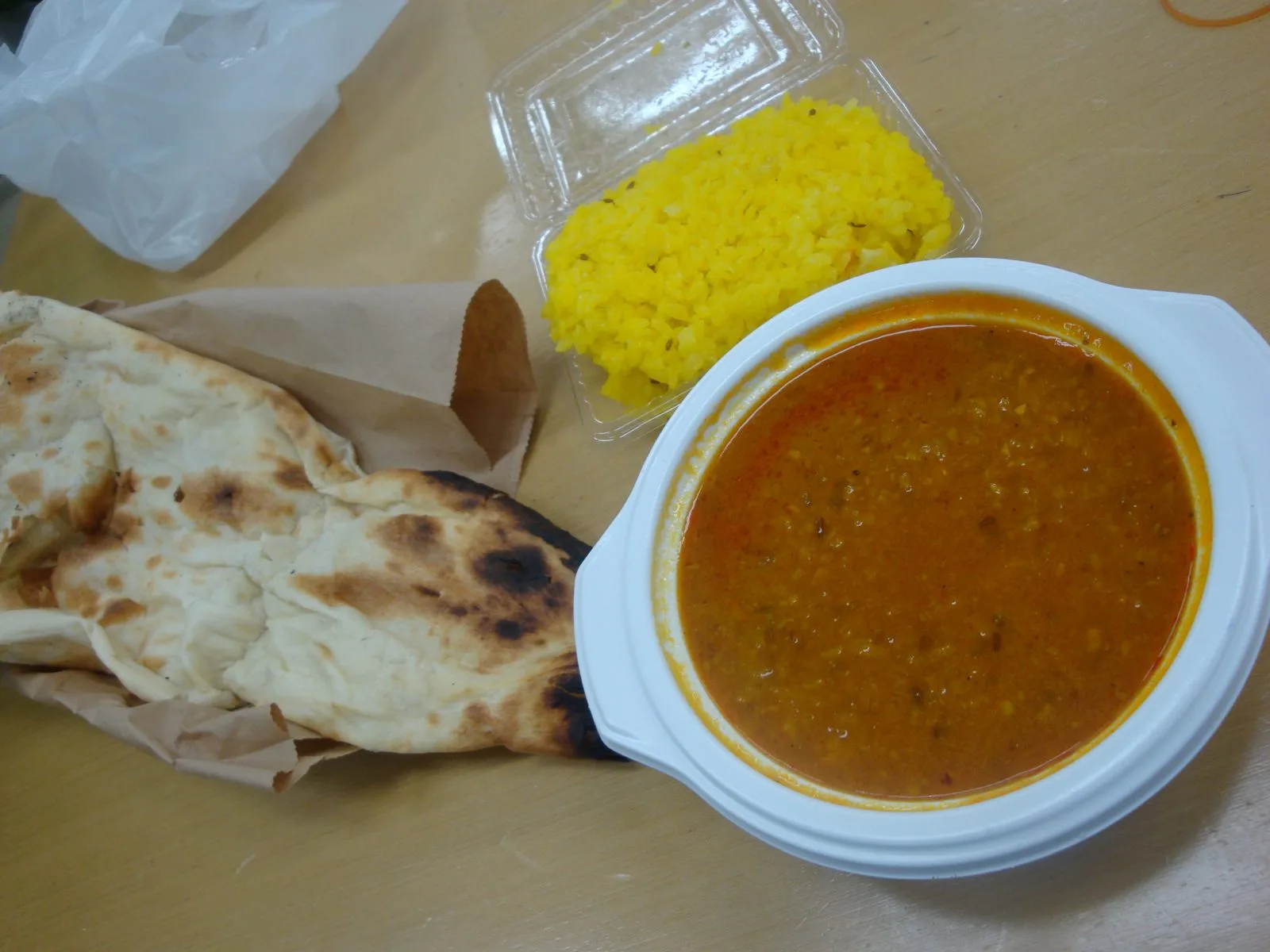
Photo: David Pursehouse / CC BY 4.0
Storing Daal and Lentils: Spotting Old, Hard Stock
You simmered the chana daal for an hour and it is still gritty in the middle. The recipe was right and the stove was on. The bag has been at the back of the cupboard since last Ramadan.
Dried lentils do not spoil the way milk does, but they do age. Over months in warm, humid cupboards they lose moisture, harden, and take much longer to soften. They also attract pests. Storing them well keeps both problems away.
What storage changes, and what it does not
Dried pulses are shelf-stable, which means they are safe for a long time. What changes is cooking quality. Age and dryness make the seed coat tough, and the inside refuses to absorb water evenly. So the question to ask is not "is it safe?" but "will it cook?".
Our daal recipe uses 200 g of red lentils (masoor) and a 10-minute soak. Our chana daal uses 250 g of split chickpea lentils, a 30-minute soak and about 25 minutes of boiling. Those timings assume reasonably fresh stock. For old stock, expect to double the cooking time or more.
<!-- VERIFY: "double the cooking time or more" for old pulses is a practical estimate, not measured. -->
The storage basics
- Airtight jar or tub. Glass, steel or thick food-grade plastic with a gasket lid. A twisted bag clip is not airtight, and pests walk in.
- Cool, dark, dry place. Away from the stove, the dishwasher and a sunny window. Heat speeds up ageing.
- One jar per type. Do not tip new daal on top of old. The old bits stay at the bottom for years.
- Label with the date. A strip of masking tape with the month you bought it. Your future self will thank you.
- Leave the bag's cooking instructions on. Cut out the panel and tape it to the jar lid.
Whole pulses such as chana and rajma keep a little longer than split ones, because the intact skin protects the seed. Polished or split lentils show age sooner.
<!-- VERIFY: claim that whole pulses outlast split ones is general knowledge; check a food-storage source. -->
Pantry moths and weevils
Check lentils whenever you open a jar. Warning signs are tiny holes in the seeds, fine powder at the bottom, webbing or clumps stuck together, and small beetles or moths nearby. These pests arrive in bags from the shop or the warehouse, so a clean cupboard does not guarantee a clean pantry.
If you find them:
- Throw away the infested jar. Do not try to sift them out.
- Empty and wipe the shelf. Check neighbouring jars of flour, rice and dry spices.
- Put new purchases in the freezer for a few days before decanting. Many cooks do this routinely during warm months.
<!-- VERIFY: freezing for pest control (a few days; sources often say 3-7 days) needs a source before publishing. -->
Our post on storing atta without bugs or stale smell covers flour in more depth, and the same habits apply.
Is this bag too old? Three quick tests
- Look. Dull, faded colour or wrinkled skins suggest age. Red lentils should be bright orange-pink, not brownish.
- The soak test. Soak a spoonful in a cup of warm water for 30 minutes. Fresh lentils swell visibly and sink. Old ones barely change.
- The bite test. Boil a few in a small pan for 20 minutes. If they are still chalky, the whole bag will cook slowly.
If a bag fails, it is still edible. You can use it, but plan for longer cooking, use a pressure cooker, and soak it overnight. Our soaking daal guide explains which lentils need it.
Why old lentils never soften
Two reasons come up repeatedly. First, very dry lentils absorb water slowly and unevenly, so the outside turns soft while the centre stays hard. Second, hard water and acidic ingredients added too early, such as tomato or tamarind, can stop softening. We cover both in why daal will not soften.
The practical fix: soak well, cook in plain water first, and add salt, tomato and lemon only after the lentils are soft. Chana daal in particular will keep its shape (our recipe tip), so cook it a little longer for a soupy texture.
Cooked daal storage
Cooked daal is not a shelf-stable food. Cool it quickly and refrigerate within about 2 hours, use within 2 to 3 days and reheat until steaming hot. Our daal tip says it thickens when cool, so loosen it with a splash of hot water. The full routine is in cooling and reheating rice and daal safely.
<!-- VERIFY: 2 to 3 day fridge limit for cooked daal follows general guidance; confirm against a food authority source. -->
Rinsing, sorting and soaking before you cook
Whatever the age of the bag, spread a cupful on a plate before cooking and pick out small stones, husks and discoloured seeds. This takes about a minute and saves a cracked tooth. Rinse the lentils two or three times until the water runs mostly clear, as our red lentil recipe does.
Soak according to the type. Red lentils need only about 10 minutes. Chana daal wants 30 minutes. Whole chickpeas and kidney beans are better overnight. A pinch of salt in the soak does not harden the skins and can help them cook evenly, although many home cooks still add it only at the end.
<!-- VERIFY: the claim that salting the soak water does not toughen pulses is debated in home cooking; verify or remove before publishing. -->
Discard the soak water for beans, but daal soak water is usually just drained.
Buying the right amount
A household that cooks daal 3 or 4 times a week might use a kilo a month. Buy 1 or 2 kg at a time, not a 10 kg sack, unless you have a cool store room and you share with others. Rotating stock first in, first out stops a bag from sitting for two years.
Quick jar check for the weekend
- Hold each jar to the light. Any dust, holes or webbing?
- Do the labels show dates older than 12 months?
- Can you remember buying the oldest bag? Cook it first.
- Is anything touching a damp wall?
If you list your pulses in Degchi with have, low and out marks, you will see which jars to restock and which to use up first.
Related recipes



Related posts

How Long to Marinate Chicken Tikka (and When to Stop)
Our chicken tikka needs at least 3 hours in the marinade and gets better overnight. Here is what happens in the fridge, why lemon changes the clock, and when it is too long.

Chicken Biryani Recipe at Home: Layers, Dum, No Mush
A chicken biryani recipe at home comes down to three things: a thick gravy, rice boiled only to 70 percent, and a tight seal. Here is the order of work with amounts and timings from our recipe.
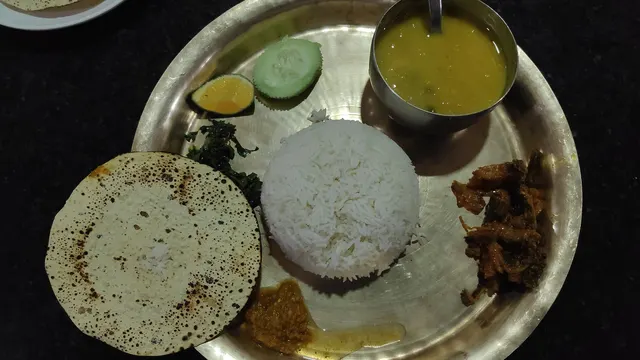
Meal Planning for Busy Families: A Realistic Weekly System
Rigid seven-day meal plans fall apart by Wednesday. Here is a flexible system that fits real family life, including leftovers, late nights and picky eaters.
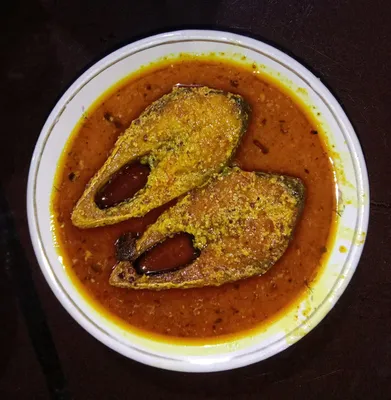
Shorshe Ilish: Bangladeshi Hilsa in Mustard Sauce
Hilsa in mustard gravy is the celebrated dish of Bengali cooking. Here is how to make the paste without bitterness, cook the fish without breaking it, and eat it safely around the bones.