 Degchi
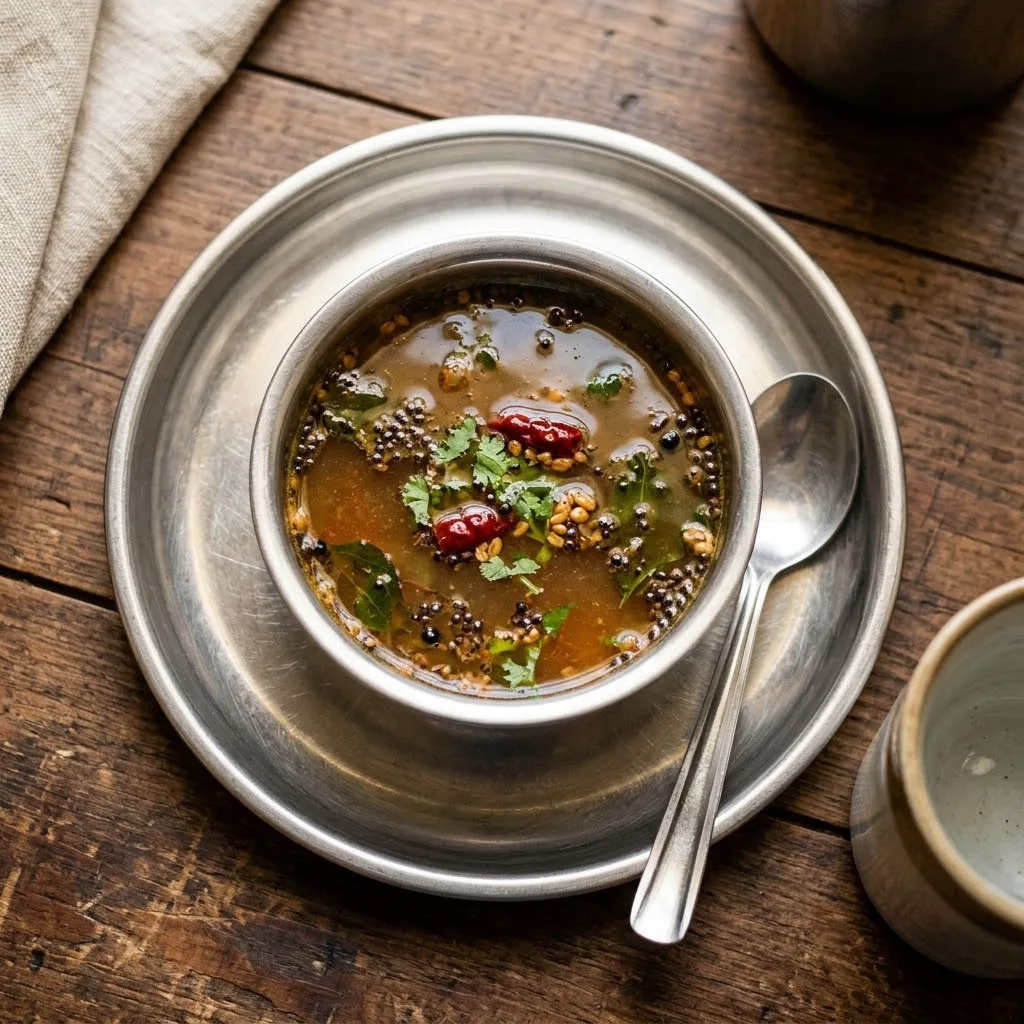
AI-generated illustration (Gemini)
Tamarind Block vs Paste vs Concentrate: Which to Buy
The recipe says "2 tablespoons tamarind pulp". You open the cupboard and find a sticky brown brick, a squeezy jar of dark paste and a small bottle that says "concentrate". They are all tamarind. They are not interchangeable spoon for spoon, and that is why one batch of rasam tastes pleasantly tart and the next tastes like a lemon wrote it a threat. This guide sorts out tamarind block vs paste vs concentrate so you buy the right one and swap with confidence.
What each one actually is
Block. Compressed pulp, usually still with seeds, strings and the odd bit of shell. It is the cheapest per sour-unit and the most work. You soak it, squeeze it and strain it.
Paste (or "pulp"). Block that someone else has already soaked and strained, sold in a jar or pouch. It is looser, milder and easy to measure by the spoon.
Concentrate. Cooked down hard. Dark, thick and much sharper. A little goes a very long way.
Brands differ a lot, so none of this is a measured rule. Treat strength as a "taste a dab first" situation.
<!-- VERIFY: relative strength of concentrate vs paste varies by brand; no single ratio is published. Kept as "taste first". -->
How our recipes use it
The recipe library on this site writes tamarind as soaked pulp. Rasam uses 2 tablespoons of soaked pulp, simmered with chopped tomato, crushed pepper, cumin and garlic and 3 cups (about 700 ml) of water for 10 minutes "until the raw tamarind smell goes". Idli sambar also takes 2 tablespoons, simmered with tomato and mashed lentils for 10 minutes. Bhel puri and pani puri both ask for 3 tablespoons, because the chutney or the pani is the whole point of the dish.
Samosa chaat shows the soaking method plainly: warm water, 10 minutes, mash, strain, and you have a tangy tamarind water to drizzle.
Working from a block
- Break off a piece about the size of a walnut, roughly 20 g (0.7 oz).
- Pour over about half a cup (120 ml) of just-boiled or hot tap water. Warm water works for the 10-minute soak used for samosa chaat; hotter water softens it faster.
- Leave 10 to 15 minutes, then squash it with your fingers or the back of a spoon.
- Push the mix through a tea strainer, scraping the underside. Throw away seeds and fibre.
- What is in the bowl is your pulp. Measure from that.
One walnut-sized piece will usually give you the 2 to 3 tablespoons of pulp these recipes use, though blocks vary in how dry and seedy they are.
<!-- VERIFY: yield from a ~20 g piece is an estimate; blocks differ in seed content and moisture. -->
Swapping one for another
Use this as a starting point and adjust by taste, adding a little at a time.
| You have | Recipe wants 2 tbsp pulp | What to do |
|---|---|---|
| Block | 2 tbsp soaked and strained pulp | Soak as above |
| Ready paste | 2 tbsp | Straight swap, then taste |
| Concentrate | Start with about 1/2 tsp | Stir into the pot, taste after 5 minutes, add more only if needed |
| Nothing | Lemon or lime juice | Add at the end, not the start |
The concentrate row is the one that goes wrong. If your rasam already tastes sharp, do not "fix" it with more water; add a pinch of jaggery or sugar and another few minutes of simmering. Our curry too sour guide covers the rescue moves.
Lemon is a cover band, not a replacement
Lime and lemon bring brightness but no depth, and they turn bitter if boiled for long. In rasam you can get away with it if you add the juice after the pot comes off the heat. For a chutney you will miss the dark, fruity, slightly sweet note. If the dish is built around tamarind, such as the pani for pani puri, it is worth keeping the real thing. Our desi ingredient substitutes post lists more swaps for when a shop run is not an option.
Storing it so it does not turn into a rock
A block keeps well in an airtight tin or bag in a cool cupboard. Once you have soaked and strained, the pulp is a wet food: keep it in the fridge in a jar and use it within a few days, or freeze it in an ice-cube tray in tablespoon portions. One cube per tablespoon is the useful part, because the recipe then tells you how many to drop in.
Opened jars of paste go in the fridge. Check the label for the maker's own instruction, since this is where brands genuinely differ.
<!-- VERIFY: "a few days" for fridge-kept homemade pulp and freezer-cube approach are common practice, not from a cited source. -->
Which one to buy
If you cook rasam or sambar every week and have a free ten minutes, buy a block: cheaper and tastes the most like the pot you are copying. If you make chaat for guests and want it done in two minutes, the paste in a jar is worth the extra. Keep a small bottle of concentrate only if you already know your brand's strength.
If you would like to see what a week of dishes like these needs, the pantry sandbox at Degchi lets you tick off what you have and see which recipes, including rasam and chaat, you can already make.
A one-line buying note for the shop
- Read the ingredient list: pure tamarind should be the first, ideally only, item.
- Block with seeds: cheapest, most work.
- Jar of pulp: mid-price, easiest to measure.
- Concentrate: smallest bottle, taste before you add.
Related recipes
Related posts

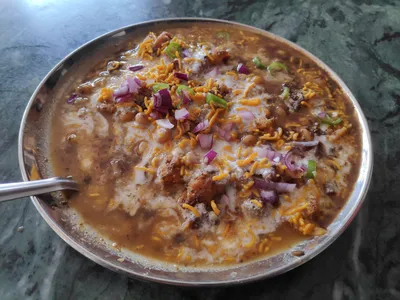
Bhel Puri at Home, and a Guide to the Chaat Family
Bhel puri is puffed rice tossed with chutneys, potato, onion and sev. Here is how to make it, how to keep it crisp, and how the main chaats differ.

Pani Puri Recipe at Home: Shells, Pani and Filling
Pani puri is three small jobs: shells that puff, a water you taste and adjust, and a filling that is nearly effortless. Here are the numbers for each.
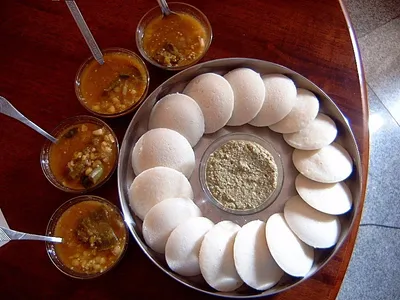
South Indian Tiffin Plate: What Goes With What
Idli, dosa, vada, sambar, rasam, curd rice. Which one is breakfast, which is lunch, and which sides actually belong together on one plate.
Curry Leaves: Fresh, Frozen or Dried? How to Use Them
Kadipatta is a dish's top note and the first thing to fade. Here is how many leaves our recipes use, when to add them, and how to keep a bunch from going limp.