 Degchi
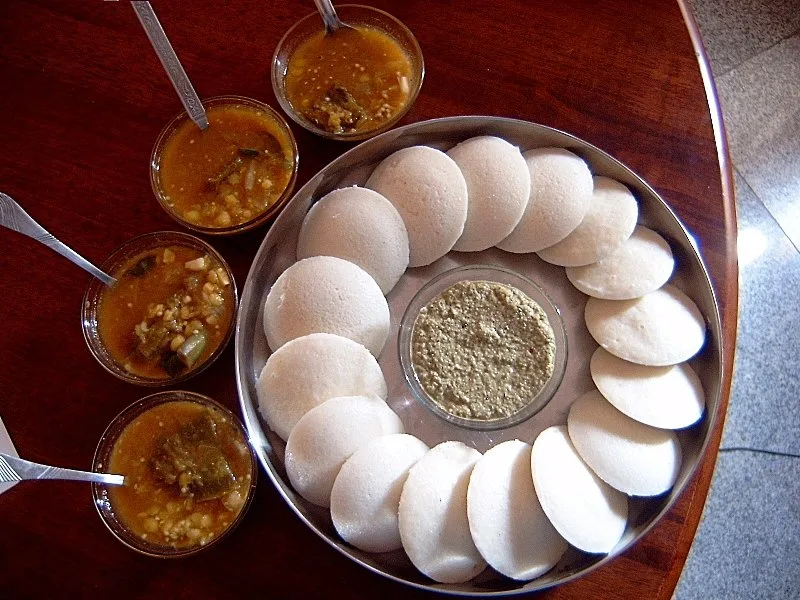
South Indian Tiffin Plate: What Goes With What
Your South Indian restaurant menu has "tiffin" at the top, rice meals at the bottom and a dozen words in between that you half recognise. At home you have a bag of rice, a bag of urad and a half-formed plan. What goes with what? The short answer: a South Indian tiffin plate is a small set of batter-based items and a few sides that repeat. Learn the pairings and the menu stops being confusing.
"Tiffin" in one paragraph
In South India "tiffin" generally means a light meal, usually breakfast or an evening snack, as opposed to the full rice-based meal at lunch. It is mostly idli, dosa, vada, upma and the sides that go with them. You will see the word used a bit differently in different cities, so treat this as a working definition.
The three batter dishes
Most of the plate comes from one batter family: rice and split, skinned urad (or whole urad in our recipes), soaked, ground and fermented.
- Idli: steamed rounds. In our idli sambar recipe the batter uses 250 g (9 oz) rice and 100 g (3.5 oz) whole urad, soaked 6 hours, fermented overnight, and steamed 12 minutes.
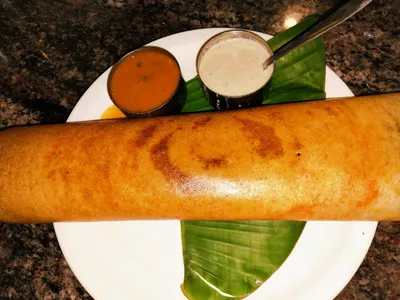
- Dosa: the same family, thinned and spread on a hot tawa; see crispy masala dosa at home and the masala dosa recipe for the potato filling.
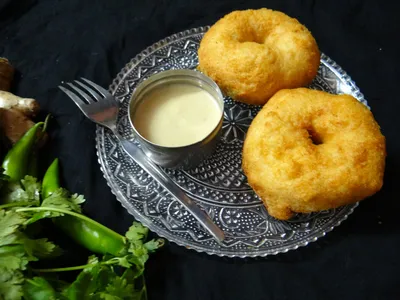
- Medu vada: a different batter, only urad (250 g, soaked 4 hours in our recipe), whipped by hand until it floats, then deep fried for about 8 minutes.
If your batter is not rising, fix the ferment first. Everything else on the plate depends on it.
The sides and what they are for
| Side | What it is | Usually served with |
|---|---|---|
| Sambar | A lentil and vegetable stew soured with tamarind | Idli, vada, dosa |
| Coconut chutney | A cool, mild dip | Idli, dosa, vada |
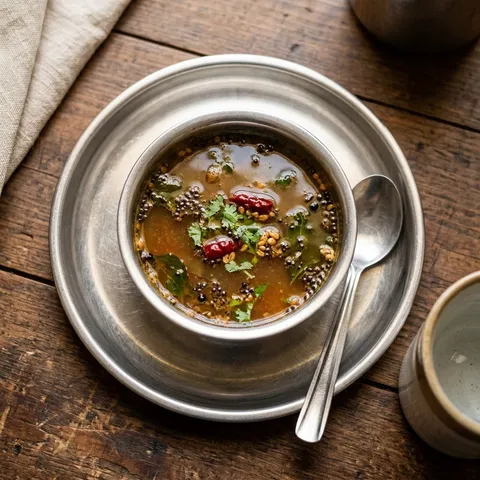
| Rasam | A thin, peppery, tamarind-and-tomato broth | Rice, or sipped as a soup |
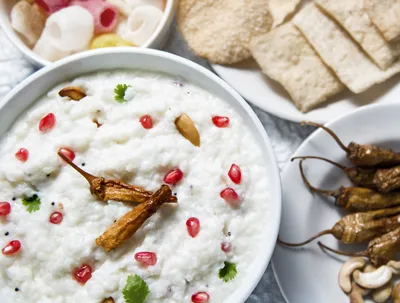
| Curd rice | Soft rice mixed with yogurt and a mustard tempering | End of a rice meal |
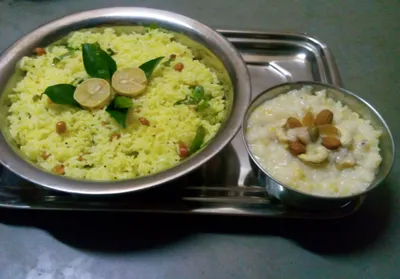
| Lemon rice | Cooled rice with a lemon and mustard tempering | Packed lunch, picnic |
Notice that sambar and rasam are different things, even though both are sour and spiced. Sambar is thick, lentil-heavy and eaten with the tiffin. Rasam is thin, uses less lentil, and is a rice-meal item.
Sambar vs rasam, with numbers
Our idli sambar recipe cooks 150 g (5.3 oz) toor dal with turmeric and pumpkin until soft, mashes it, then simmers it with chopped tomato and tamarind pulp for about 10 minutes before pouring over a mustard and curry leaf tempering.
The rasam recipe is lighter. It simmers tamarind pulp and tomato with crushed pepper, cumin and garlic with 3 cups of water, then adds lightly mashed lentils for just 5 minutes. The tip is specific: do not let rasam boil hard once the lentils are in, because a gentle simmer keeps it clear instead of frothy.
Three plates that work
1. Weekend breakfast plate Idli (3 or 4), medu vada (1 or 2), a cup of sambar and a spoon of chutney. Soak the batter on Friday night, ferment through Saturday, steam on Sunday.
2. Light dinner Masala dosa with sambar and chutney. One item, one filling, minimal washing up.
3. Lunch-box or picnic Lemon rice in a tight container. Our recipe uses 300 g of cooked, fully cooled rice, 3 tablespoons lemon juice and a mustard-lentil-peanut tempering, and rests for 10 minutes. It travels well because there is no yogurt in it. Keep it cool, and eat it within about a day, since cooked rice is the food-safety item to watch.
The rice-meal end
If you are building a proper lunch, the order often runs roughly: rice with sambar, then rice with rasam, then curd rice to finish. Our curd rice uses 200 g rice cooked until very soft, 100 ml milk and 400 g yogurt, mixed once the rice has cooled to room temperature, then a mustard, curry leaf, chilli and ginger tempering poured over. Chill it for 30 minutes before serving. Do not leave it out in a warm kitchen for hours.
Common pairing mistakes
- Serving sambar so thin it slides off the idli. Simmer a few extra minutes.
- Making chutney with cold coconut straight from the freezer and not adjusting salt after.
- Treating rasam as a dip. It is for pouring over rice or drinking.
- Salting the idli batter after fermentation. Our idli recipe says to stir the salt in before the overnight rest, because adding it after the batter has risen can slow the bubbles.
Planning the soak around your week. The slow part of tiffin is the batter, not the cooking. Idli batter in our recipe soaks 6 hours, then ferments around 8 hours, so you are looking at a 14-hour lead time before steaming. In a cold kitchen the ferment can take noticeably longer, so give it a warm corner, such as an oven with only the light on, and look for a risen, bubbly batter rather than watching the clock. Leftover batter keeps in the fridge for a few days, which means one soaking session can cover idli on Sunday and dosa on Tuesday.
Shopping list for one full tiffin weekend
- Idli rice (or parboiled rice) 250 g, whole urad 100 g, plus 250 g more for vada
- Toor dal 150 g, tamarind, tomatoes, a small pumpkin wedge
- Mustard seeds, curry leaves, dried red chillies, fenugreek seeds
- Fresh or frozen coconut, green chillies
- Oil for frying and tempering
Degchi can turn that list into a pantry check: add what you have in the pantry tool and see which of these dishes you can start tonight.
Related recipes
Related posts
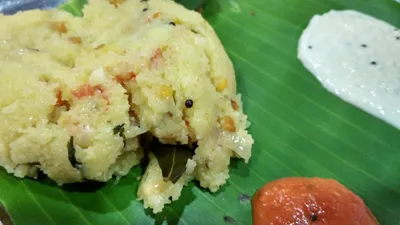
Mustard Seeds (Rai): Why They Pop and When to Add Them
Mustard seeds that will not pop, or pop and turn bitter, wreck a tadka before it starts. Here is the heat, timing and amounts that work for South Indian dishes.
Tamarind Block vs Paste vs Concentrate: Which to Buy
Three jars, one word on the label, very different strength. Here is how to tell tamarind block, paste and concentrate apart and how to swap them in imli recipes.