 Degchi
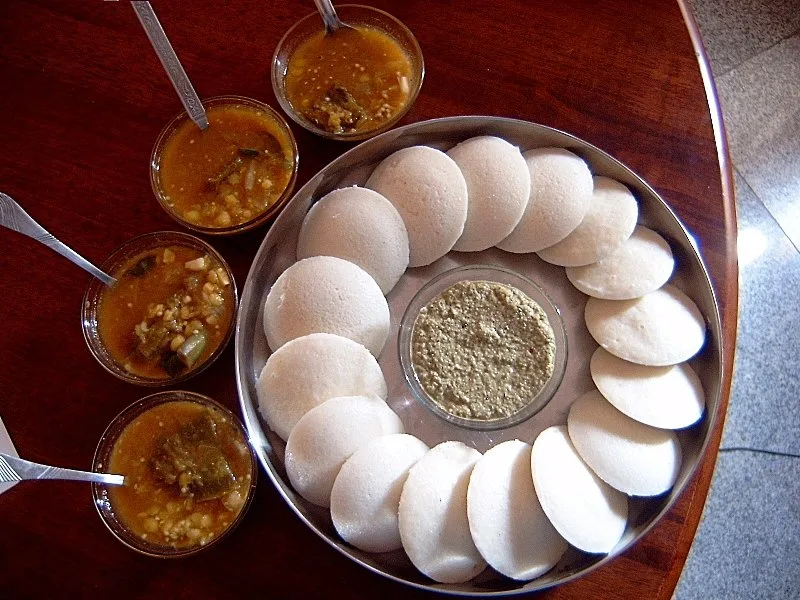
Why Is My Idli Batter Not Fermenting? Causes and Fixes
You ground the batter, covered it, left it overnight, and in the morning it sits in the bowl exactly as flat as you left it. If you are asking why is my idli batter not fermenting, the answer is usually something simple in the kitchen rather than something wrong with the rice or dal. Work through the checks below in order: warmth first, then salt, water, time, and the batter itself.
What the recipe expects before you start
Our Idli Sambar recipe uses 250 g (9 oz) of idli rice and 100 g (3.5 oz) of whole urad (black gram) lentils, both soaked for 6 hours, then ground into "a smooth, thick batter" and combined. The batter is covered and left in a warm place overnight (the recipe's timer is 8 hours) "until the batter rises". Then it is steamed in greased moulds for 12 minutes.
So the target is a risen, airier batter, not a dramatic overflow. Plan your night around it: if you grind at 9 pm, you are judging the batter at about 5 am, and in a cool kitchen that may simply be too early.
Why idli batter is not fermenting: check the temperature first
Cold is the most common cause. One food-science explainer we opened says fermentation "slows dramatically below 25 C (77 F)" and suggests about 30 C (86 F) as a good target. A kitchen in a British November or a northern-US winter sits well under that overnight.
Our own masala dosa recipe gives a practical workaround: in a colder climate, leave the batter in a switched-off oven with only the oven light on. Make a note on the door so nobody preheats it for the next dinner. Keep the container covered, and use one with room to rise: a bowl filled to the brim has nowhere to go.
Salt and water can slow it too
Two quieter causes, both reported with some disagreement between sources, so treat them as things to try rather than certainties:
- Salt. One source says a large amount of salt added before fermentation can hold the culture back, and suggests a small pinch at the start with the rest stirred in after the batter has risen. Our recipe lists 1.5 tsp of salt and does not state when to add it, so the timing is your call. If a batch failed once, try the late-salt version next time.
- Tap water. The same source says heavily chlorinated water can harm the microbes and suggests filtered, or boiled-and-cooled, water for soaking and grinding. If your tap water smells of pool, try this.
Also keep the grinder from heating the batter. A long grind in a small mixer can warm it, so grinding in short bursts with cool water helps (that last point comes from search results we did not open fully, so treat it as a tip, not a rule).
Give it enough time
The explainer says warm batter typically doubles in 8 to 12 hours, while cold weather can need up to 16 hours. If nothing has risen after 18 to 24 hours, it suggests using the batter for dosa rather than idli. These are rough ranges for orientation. Your own kitchen sets the clock, so judge by the batter, not the hour.
Signs of a normal ferment:
- A larger volume, often roughly double, with a domed surface.
- Small bubbles through the batter when you stir gently.
- A mild sour tang that is pleasant rather than sharp.
Throw the batter away if it smells foul, has an oily film on top, or tastes aggressively sour.
Fenugreek, ratio and thickness
Our recipe's tip says a pinch of fenugreek seeds in the batter "helps fermentation" and gives idli its classic mild aroma. Both our idli and dosa recipes list 0.5 tsp of fenugreek seeds as optional, and it is cheap to add.
The sources also flag two batter problems: too little urad dal, and batter that is too watery or too thick. Both can leave it sluggish. Stay close to the 250 g to 100 g rice-to-urad ratio from our recipe, and grind to a thick batter that falls from a spoon in a slow ribbon. If you ground it thin, adding water later cannot be undone, so add water a spoonful at a time during grinding.
If it still has not risen: what to do
Do not steam flat batter and hope. You will get dense, pale idli. Instead:
- Move it somewhere warmer and wait several more hours.
- If it has turned slightly sour and stayed flat, cook it as thin pancakes. Masala Dosa uses the same rice and urad batter, and our Medu Vada recipe is another way to use urad.
- Start fresh with the changes above, rather than adding more of the same.
If you need breakfast tomorrow regardless, Upma needs no fermenting, and Curd Rice is another no-batter South Indian option. If yogurt is what you have, What Can I Cook With Yogurt? lists nine more ideas.
Next batch: a short plan
- Afternoon: soak rice and urad separately for 6 hours, in filtered water if your tap is heavily chlorinated.
- Evening: grind, keeping the batter cool while grinding.
- Hold the salt, or add a little, then the rest after it rises.
- Put the covered bowl in the oven with the light on, with a note on the door.
- Check after 8 hours. If it has not risen, wait, up to 16 in cold weather, before deciding.
Degchi can also match your rice and lentils against our recipe library, so you see what to cook before you buy more: try it here.
Related recipes

Related posts
Medu Vada Oily, Flat or Won't Hold a Hole? Fixes
Medu vada fails in three ways: it soaks up oil, it spreads flat, or it will not keep its hole. Each one traces back to the batter.
Why Is My Upma Lumpy or Sticky? Rava and Water Fixes
Upma is five ingredients and about 20 minutes, yet it turns into paste in many kitchens. Roasting, water and how you stir decide everything.

Why Does My Dosa Stick or Tear on the Tawa?
The first dosa always fights back. Usually it is pan heat or batter thickness, rarely the recipe itself. Here is how to read what the pan is telling you.