 Degchi
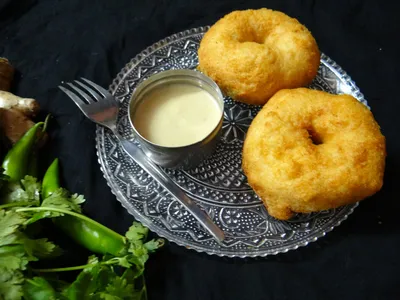
Medu Vada Oily, Flat or Won't Hold a Hole? Fixes
You shaped a vada, lowered it into the oil, and it opened up into a flat, greasy disc with no hole. Medu vada looks simple: lentil batter, a hole, hot oil. The skill is nearly all in the batter, and the frying is the easy part. Here is how to fix medu vada that turns out oily, flat or dense, using the method in our medu vada recipe.
The batter is thick on purpose
The recipe uses 250 g (9 oz) whole urad dal (the black-skinned lentil, sold as "mash" in Urdu grocery shops), soaked about 4 hours, then drained and ground with very little water. People used to idli batter often make this mistake: they grind vada batter as loose as idli batter. It should be thick enough to hold a shape in your wet palm and fluffy, almost like soft whipped cream.
The rule to remember: add water a spoonful at a time, and only when the grinder or blender will not turn. Stop as soon as it moves. A batter that pours will never hold a hole.
If you have only a blender, grind in short bursts, scrape down, and use a tablespoon or two of cold water at a time. Warm batter after a long grind is harder to shape, so rest the jar in the fridge for 10 minutes if it feels sticky.
Whip it until it floats
This is the single step that decides fluffy versus dense. After grinding, beat the batter by hand in one direction for about 5 minutes. Our recipe notes the test: drop a small spoonful into a bowl of water. If it floats, air is trapped and the vada will be light. If it sinks, whip another couple of minutes and test again.
Do the float test with a clean, cold bowl of water, and use a fresh spoonful each time. Salt goes in after the whipping, along with ginger, chopped green chilli, curry leaves and crushed black pepper, because salt loosens the batter. <!-- VERIFY: salt loosening urad batter is a common cook tip but no source opened. --> Fold these in gently, so you do not knock the air out.
Shaping the hole
Wet your palm and fingers well. Take a lemon-sized scoop, flatten it slightly into a thick patty, poke your thumb through the middle, and widen the hole a little, since it closes up as the vada puffs. Slide it off your fingers into the oil, pressing nothing.
A few things that help:
- Keep a small bowl of water next to you and re-wet every vada.
- A piece of plastic or a banana leaf on a flat plate is a good surface to shape on. Shape on the plate, then slide it into the oil.
- If the batter will not hold, the batter is too wet. No shaping trick fixes that.
Oil temperature: why it comes out greasy
An oily vada is a vada that sat in oil that was too cool. The surface absorbs fat instead of sealing. Our recipe uses 500 ml (2 cups) of oil in a deep pan, which is enough for about four vadas at a time.
Test before the first batch: drop in a pinch of batter. It should sink for a moment, then rise and sizzle steadily. If it sits at the bottom and bubbles weakly, wait. If it browns in seconds, the oil is too hot and the centre will stay raw. A thermometer reading of about 175 to 180 C (350 to 355 F) is a common target for fritters. <!-- VERIFY: 175-180 C / 350-355 F frying range for vada; typical deep-frying range, not from our recipe data. -->
Fry about 8 minutes in total, turning once, until deep golden and crisp. Frying too many at once drops the temperature, so give each vada room.
Common results and what caused them
| What you got | Likely cause | Fix |
|---|---|---|
| Flat, spreading vada | Batter too wet | Grind with less water; add a spoon of rice flour as a last resort |
| Oily, heavy vada | Oil too cool, or too many in the pan | Wait for steady sizzle; fry in small batches |
| Dense, doughy centre | Not whipped; oil too hot | Whip to the float test; lower the heat slightly |
| Hole closed up | Hole too small, batter too wet | Widen the hole; thicken batter |
| Raw inside, dark outside | Oil too hot | Lower the flame between batches |
| Soft, not crisp | Drained on a flat plate; stored covered | Rest on a wire rack; eat within a short time |
Draining and holding
Paper towels work, but a wire rack keeps the underside crisp because steam can leave. If you must hold vadas for guests, keep them uncovered in a low oven, about 100 C (210 F), for up to 20 minutes. Covering them traps steam and softens the crust.
What to eat it with
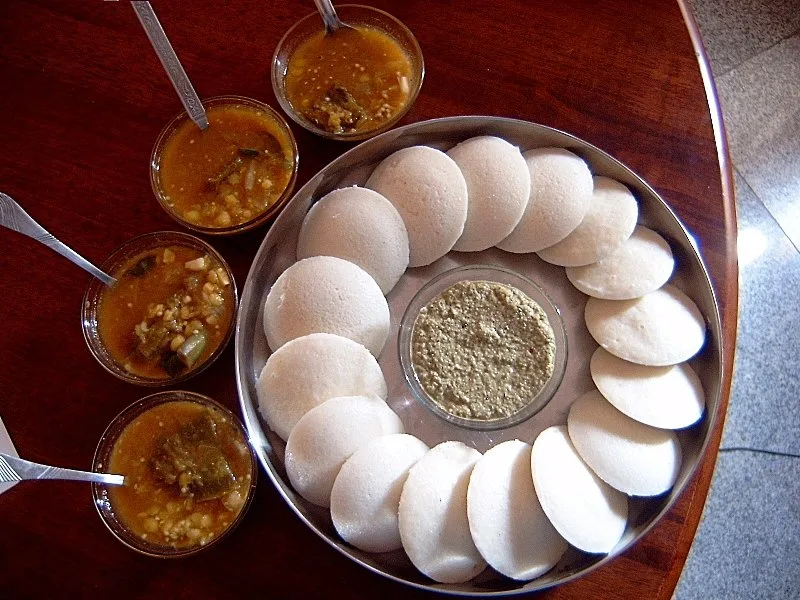
Medu vada is a breakfast and tiffin food. It is usually served with sambar and coconut chutney, and in many homes it is dunked into sambar so the soft centre soaks it up. Our South Indian tiffin plate guide shows how vada, idli and dosa fit together on one plate, and the idli sambar recipe pairs naturally with it. The same urad dal is the base of idli batter, so the soaking habits carry over; if your idli batter gave you trouble, read why idlis come out hard or flat.
Before your next batch
- Soak urad dal about 4 hours; drain very well.
- Grind with the smallest splashes of cold water.
- Whip 5 minutes; float test in a bowl of water.
- Fold in salt and seasonings last.
- Heat 500 ml (2 cups) oil; test with a pinch of batter.
- Shape on a wet plate, thumb through, slide in gently.
- Fry about 8 minutes, turn once, rest on a rack.
If you want to check you have urad dal, curry leaves and oil before you start soaking, Degchi's pantry list does that in a few taps at /#try.
Related recipes

Related posts
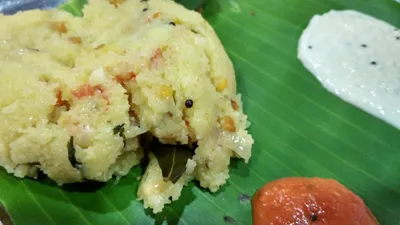
Why Is My Upma Lumpy or Sticky? Rava and Water Fixes
Upma is five ingredients and about 20 minutes, yet it turns into paste in many kitchens. Roasting, water and how you stir decide everything.
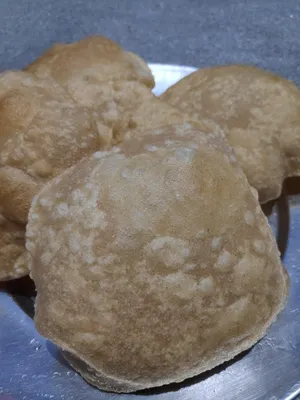
Why Won't My Puris Puff? Flat and Oily Puri Fixes
A good puri balloons in seconds. A bad one sinks and drinks oil. Dough firmness, oil heat and rolling thickness are the three things to check.
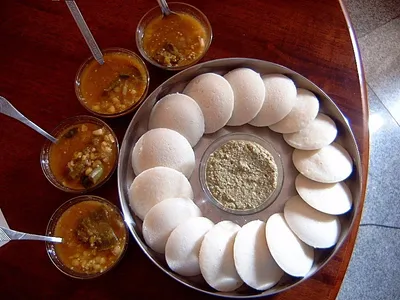
Why Is My Idli Batter Not Fermenting? Causes and Fixes
Flat batter after a full night is almost always a warmth problem, sometimes salt or water. Here is how to read what you see and what to do next.
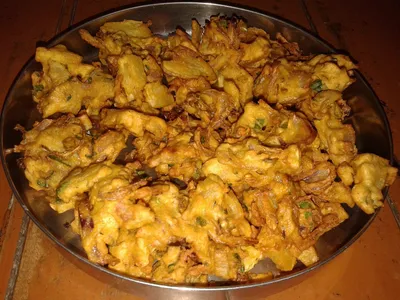
Pakora Recipe Crispy, Not Oily: Batter and Oil Guide
Pakoras go limp or greasy for two reasons, a thin batter and oil that is too cool. Here is how to get both right.