 Degchi
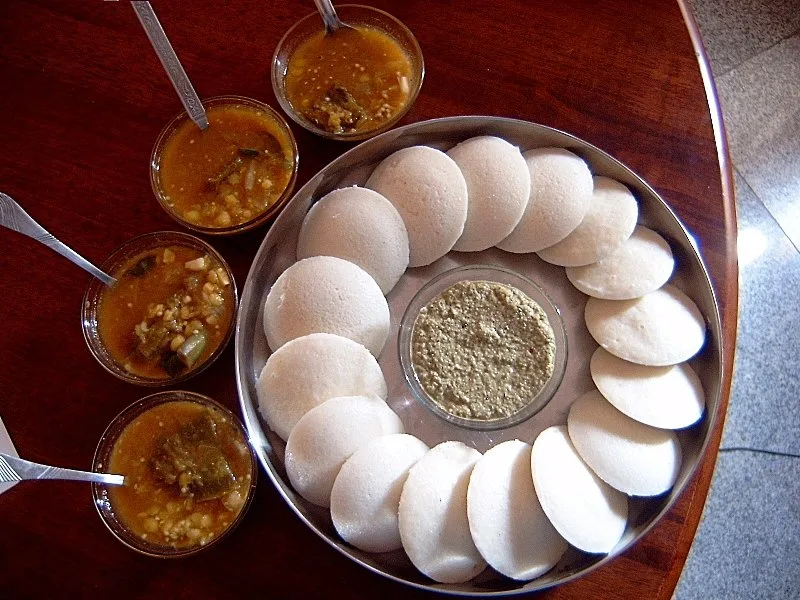
Why Are My Idlis Hard or Flat? Steaming Fixes
The batter doubled overnight, you poured it into the moulds feeling smug, and twenty minutes later you are holding idlis that bounce off the plate. If you are wondering why are my idlis hard, stop looking at the fermentation. A good rise in the bowl and a bad result from the steamer is a very common pairing.
This post is about the second half of the job. If your batter never rose in the first place, read why idli batter does not ferment instead.
The numbers our recipe uses
The idli sambar recipe asks for 250 g (about 1 1/4 cups, 9 oz) of idli rice and 100 g (about 1/2 cup, 3.5 oz) of whole urad, each soaked 6 hours, with 1/2 teaspoon of fenugreek seeds and 1.5 teaspoons of salt. Steaming is 12 minutes over a steady rolling boil, with the water below the stand. The lid stays closed for the first 10 minutes. After switching off, wait 2 to 3 minutes before unmoulding.
Every one of those details is a place where idlis go wrong.
Hard and dense: the usual suspects
Steam that is too weak. If the water is only simmering, the batter sets slowly from the outside in and turns heavy. The steamer should already be pouring out steam when the moulds go in, and the bubbles should be rolling, not lazy.
Too little urad. Rice-heavy batter gives chewy, dense idlis. Our ratio is 2.5 parts rice to 1 part urad by weight. If you eyeball in cups, urad is lighter than rice, so measure by weight at least once.
Under-ground urad. Urad is what traps the air. It should be ground until it is thick, fluffy and almost doubled in volume, with a little cold water added in splashes. A thin, runny urad batter cannot hold bubbles, which is the common reason idlis stay flat even after the batter looks active.
<!-- VERIFY: urad needs to be fluffy and aerated before mixing; typical idli advice, no single cited source -->
Over-stirring after fermentation. Folding gently is fine. Beating the batter knocks out the gas you waited all night to get.
Flat or sunken in the middle
A sunken centre usually means one of three things.
- The steamer lid was lifted early. Cold air hits the half-set tops and they collapse. Hold off for the first 10 minutes, as the recipe says.
- The moulds were over-filled, so the batter rose and slumped. Fill each cavity about 3/4 full.
- The batter was over-fermented. If it smells sharply sour and the surface has gone grey or very frothy, it has used up its lift. Use it for dosa instead of idli, as our masala dosa batter works on the same mix.
Sticking to the mould
A sticky idli that tears in half is usually a patience problem. Wait the 2 to 3 minutes after you switch the heat off, then dip a spoon in water and run it around the edge. Straight out of the steam, the surface is wet and fragile. A light brush of oil in each cavity before filling also helps, as does a damp cloth in the mould plates if you use them.
Cold-kitchen and hot-kitchen adjustments
Fermentation in a cold kitchen leaves a batter that is barely aerated, and the idlis come out dense even with perfect steaming. Our recipe tip for colder climates is to leave the batter in a switched-off oven with the light on. In very hot weather, the batter over-ferments in 6 to 8 hours rather than overnight. Check it earlier, and chill it once it has risen.
<!-- VERIFY: 6 to 8 hours in hot weather is a rough guide, varies by room temperature -->
Salt, water and the pot you steam in
The recipe stirs salt in by hand after grinding, before the overnight rest. Salt added after the batter has risen can slow the bubbles, so do it once, early. If your tap water is heavily chlorinated, some cooks use filtered water for grinding and report better rises, though evidence is anecdotal.
<!-- VERIFY: chlorinated water and idli fermentation; anecdotal cook advice, no source -->
You do not need a dedicated idli cooker. A deep pot, a rack, 2 to 3 cm of water and a tight lid will do, as long as the water never touches the moulds and the lid does not drip onto the batter. Wrap the lid in a clean kitchen towel to catch condensation.
Fast diagnosis chart
| What you see | Likely cause | Next batch |
|---|---|---|
| Hard, rubbery, shiny | Weak steam | Wait for rolling steam before loading |
| Heavy, sticky inside | Too little urad or thin grind | Weigh 250 g rice : 100 g urad, grind urad fluffy |
| Sunken top | Lid opened early or over-fermented | Keep the lid shut 10 minutes |
| Dry and crumbly | Steamed too long | Stop at 12 minutes, test with a toothpick |
| Pale and bland | Under-salted batter | 1.5 tsp salt per 350 g dry grain |
A morning timeline
- Evening: soak rice and urad separately for 6 hours.
- Night: grind, mix, salt, cover, and rest in a warm place.
- Morning, 0:00: check the rise, stir lightly, grease the moulds.
- 0:05: steamer boiling hard, load the moulds.
- 0:17: toothpick test, switch off.
- 0:20: unmould, serve with sambar and chutney.
Left-over idlis keep in the fridge and re-steam for 3 minutes. If you want to see whether your pantry covers the sambar side, Degchi can check it.
Related recipes



Related posts
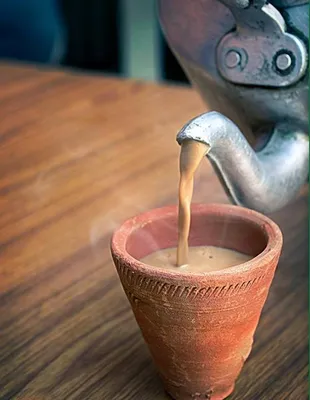
How to Make Masala Chai at Home (and How It Differs from Karak)
Masala chai is spiced milk tea boiled on the stove. Here is a method that releases more flavour from the spices, and how it differs from doodh patti and Gulf karak chai.

Reheating Samosas, Parathas and Kebabs: Air Fryer vs Tawa
The air fryer is great at one kind of leftover and poor at another. A dish-by-dish guide to reheating samosas, parathas, kebabs and pakoray without losing the crunch.
Shared Student Kitchen Meal Plan: One Shelf, Four Dinners
Two hob rings, one shelf, five housemates. A student meal plan built around what fits in your space and which dishes need only one pan.
Cook Your First Dish in Degchi: Split Chickpea Lentils (Chana Daal)
A first dish should be forgiving. Chana daal is slow, hard to ruin and ideal for learning how Degchi's cook mode, timers and read-aloud work.