 Degchi
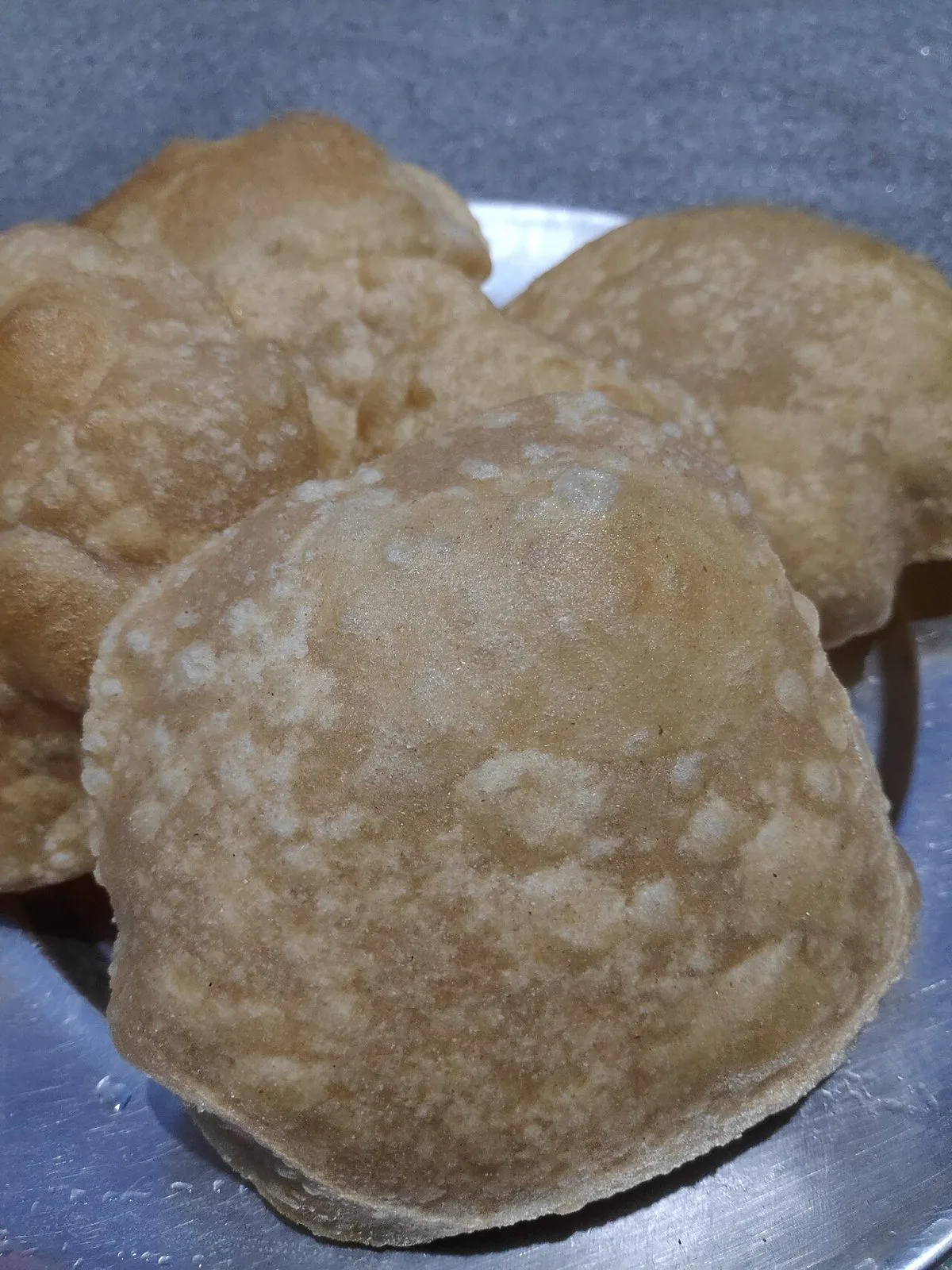
Why Won't My Puris Puff? Flat and Oily Puri Fixes
You slide the puri into the oil and it sits there. No puff, a pale colour, and ten seconds later it comes out heavy and greasy. If you are googling why won't my puris puff, here is the good news: the cause is nearly always one of three things, and all are quick to fix. Our Puri recipe gives numbers for each.
Firm dough, firmer than roti dough
The recipe asks for a stiff, smooth dough, "firmer than roti dough". It uses 300 g (about 2.5 cups) of sifted flour, 0.75 tsp salt, and optional 2 tbsp semolina for extra crispness, kneaded with water and 2 tbsp of oil rubbed in first until it looks like coarse breadcrumbs.
The tip is blunt: puris puff best when the dough is firm and the oil is properly hot. Too soft a dough gives flat, oily puris. A soft dough absorbs more oil and does not hold its shape under heat. If your dough sticks to your hands or feels as supple as roti dough, work in a few spoonfuls of flour until it feels like a tight, smooth ball you have to knead with some effort. <!-- VERIFY: the "soft dough absorbs more oil" mechanism is general cooking explanation, not from a source we opened. -->
Then rest it, covered, for 20 minutes. That timer is in the recipe. A rested dough rolls without springing back.
Roll evenly, and not too thin
The recipe says to roll each ball into a small, slightly thick circle and warns against rolling too thin. A puri that is too thin dries out and goes crisp like a papad instead of puffing. Aim for even thickness edge to edge, because a thin rim seals shut faster than the centre and the puri will not puff in the middle. <!-- VERIFY: thickness numbers not given in recipe; we describe rather than measure. -->
Keep rolled puris covered while you fry the rest. The edges dry out quickly and a dry edge will not seal. Use a very light dusting of flour or a drop of oil on the board, never a heavy flour coat, which burns in the oil and makes it taste stale.
The oil must be properly hot
Our recipe calls for about 750 ml (3 cups) of oil in a kadai, heated until shimmering, which takes around 5 minutes. Lukewarm oil is the second cause of flat, oily puris.
A quick test: drop a small pinch of dough into the oil. If it sinks and lingers, wait. If it rises to the surface within a few seconds and sizzles steadily, you are ready. <!-- VERIFY: dough-pinch test is common home practice; no source opened. --> Many cooks also use a thermometer; a figure around 180 C (356 F) is commonly quoted for frying bread like this. <!-- VERIFY: 180 C / 356 F frying temperature is unsourced here; check before publishing. -->
Do not overcrowd. One puri at a time, or two at most in a wide pot, keeps the temperature up. If the oil has been on high for a long time and starts smoking, turn it down; see how to tell if oil has gone rancid.
How to puff it
Slide the puri in from the side, away from you. As soon as it surfaces, gently press it down with the back of a slotted spoon, as the recipe describes. The gentle press pushes hot oil over the top and the steam inside inflates it. Flip when it balloons, fry briefly until golden on both sides (about 2 minutes total in the recipe), then lift it with a slotted spoon and drain.
Drain on paper towels, but not stacked in a tight pile or they steam and soften. Eat within a few minutes.
Troubleshooting sheet
| What you see | Likely cause | Fix |
|---|---|---|
| Sinks, never puffs | Oil too cold | Wait until shimmering, test with dough |
| Puffs only on one side | Uneven rolling | Roll evenly, flip while pressing |
| Flat and greasy | Dough too soft | Knead in more flour, rest 20 minutes |
| Crisp like a cracker | Rolled too thin | Roll a little thicker |
| Dark, bitter | Oil too hot or old | Lower the heat, use fresh oil |
| Collapses after frying | Undercooked or stacked | Fry longer, drain on a rack |
Serving and the halwa-puri table
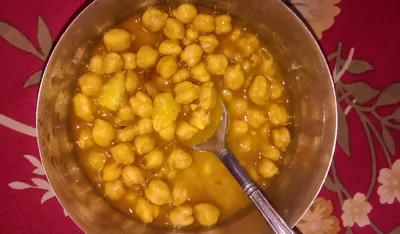
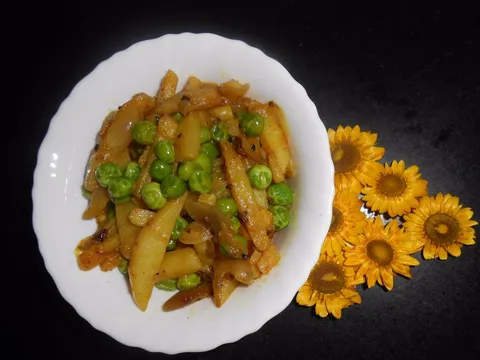
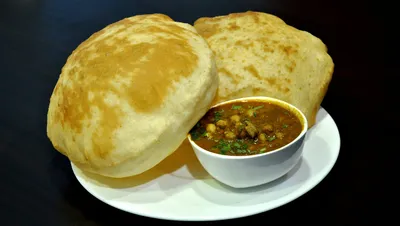
Puri is the bread half of the classic halwa-puri breakfast, usually served with chana masala and a sweet like suji halwa. Our Sunday halwa puri plan lays out a timetable for all three. For something a little different, Aloo Matar is a good dry-ish side, and chole bhature shares many of the same dough lessons, only with yeast or yogurt.
Make Chana Masala and Suji Halwa first, since they hold well while the puris are fried fresh. Degchi's try-it page can help you check that you have flour, oil and semolina before you commit to the Sunday table.
Related recipes
Related posts
Medu Vada Oily, Flat or Won't Hold a Hole? Fixes
Medu vada fails in three ways: it soaks up oil, it spreads flat, or it will not keep its hole. Each one traces back to the batter.
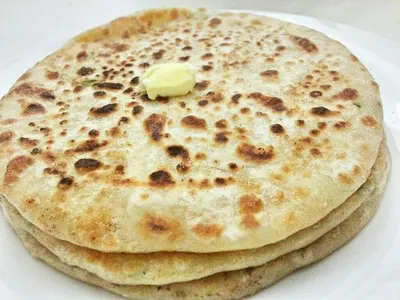
Desi Weekend Brunch Plan: Saturday Quick, Sunday Slow
Weekend brunch fails when you try to cook everything fresh at 11 am. Prep the night before, pick one star dish a day and keep the sides cold or reheatable.
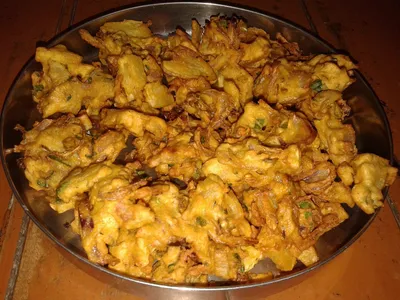
Can You Reuse Frying Oil? Pakora, Fish and Samosa Rules
A pan of oil is expensive, and tipping it after one batch of pakoray feels wasteful. Here is how to reuse frying oil safely and when to let go.
Pakora Recipe Crispy, Not Oily: Batter and Oil Guide
Pakoras go limp or greasy for two reasons, a thin batter and oil that is too cool. Here is how to get both right.