 Degchi
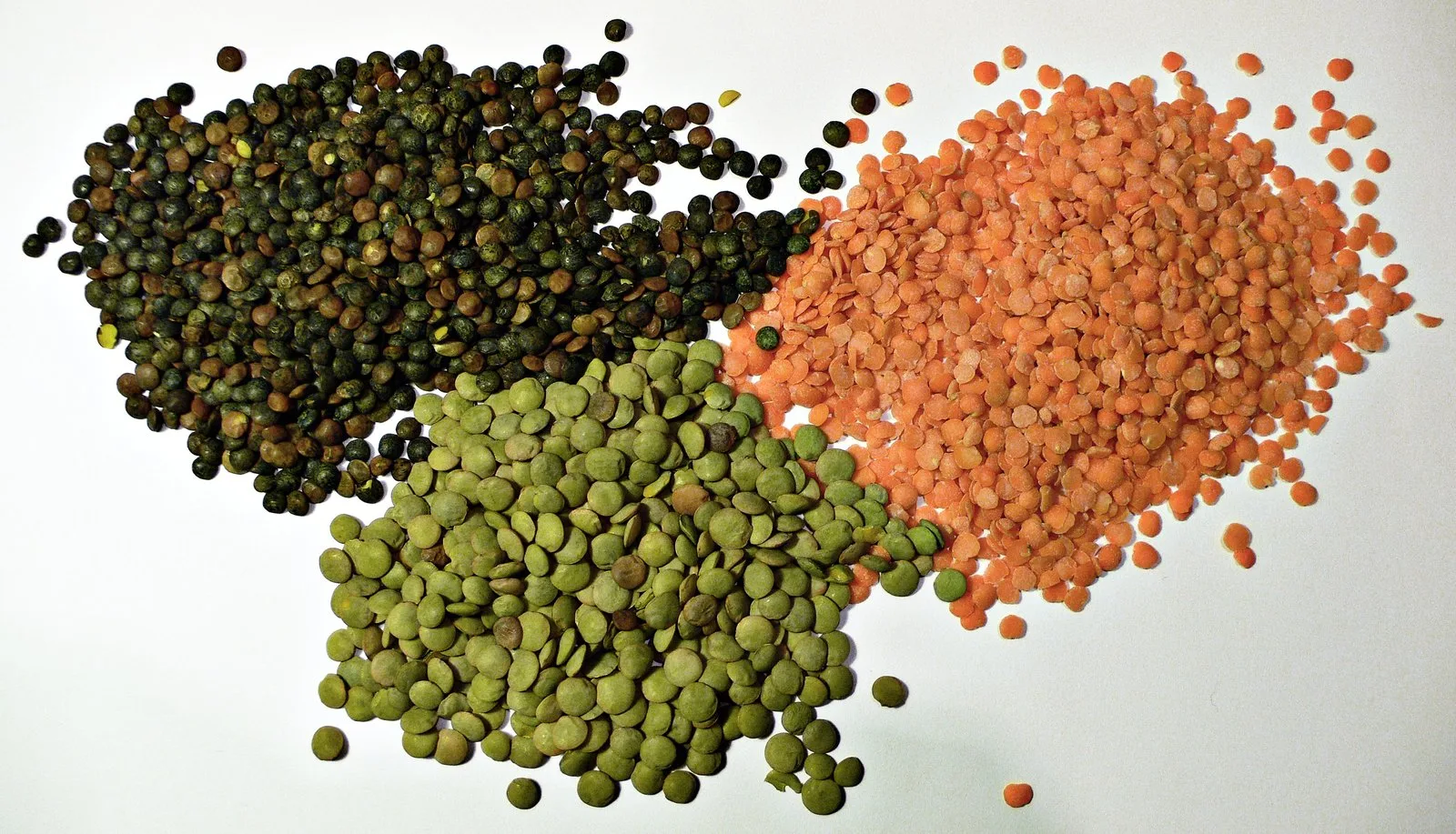
Photo: User:Justinc / CC BY-SA 4.0
How to Tell if Cooking Oil Has Gone Rancid
The tadka that tastes off
Your daal is cooked properly, the salt is right, the spices are fresh, and yet the tadka tastes slightly bitter, like crayons or old nuts. Before you blame the cumin, smell the oil. Cooking oil goes stale quietly, and the first thing it ruins is the hot-oil step, because heat releases every off smell.
What rancid means
Oil is made of fats, and fats react with oxygen over time. Heat, light and air speed it up. The result is rancid oil: it has a sharp, stale smell and a flat or bitter taste. A little rancid oil is not a sudden poison, but it tastes bad and it is not worth eating. If you are unsure, do not use it. <!-- VERIFY: general consumer guidance on rancidity; no health claims intended -->
The 30 second check
Do these three steps in order.
- Smell it cold. Pour a tablespoon into a small bowl. Fresh refined oil is nearly odourless. Mustard oil has its sharp, pungent smell, but that is different from a stale, painty one. Rancid oil smells like old crayons, wet cardboard, putty or stale nuts.
- Warm it slightly. Heat a teaspoon in a small pan for 10 seconds. Heat pushes smell out. A bitter, acrid or fishy whiff means it is gone.
- Taste a drop. Touch a drop to your tongue. It should taste clean or neutral. A bitter, soapy or metallic taste means throw it out.
Colour is a weak guide. Oil darkens as it ages, but some oils are naturally darker. Use your nose first.
How long does oil last?
These are general ranges for unopened and opened bottles kept in a cool, dark cupboard. Warm Gulf, South Asian and summer kitchens shorten them.
| Oil | Opened, cool dark shelf | Notes |
|---|---|---|
| Refined sunflower, canola, vegetable | About 6 to 12 months | Most stable for everyday cooking |
| Mustard oil | About 6 to 12 months | Strong smell is normal |
| Olive oil | About 3 to 6 months once opened for best taste | Keep away from the stove |
| Coconut oil | Up to a year or more | Solid in cool weather, which is normal |
| Sesame, groundnut (peanut) oil | About 6 months | Smaller bottles suit slow use |
| Ghee | Several months at room temperature, longer in the fridge | See our ghee storage guide |
<!-- VERIFY: all shelf-life ranges above are rules of thumb, not manufacturer figures; check the label's best-before date -->
The label's best-before date still applies. A sealed bottle bought on sale and stored for two years is a risk.
What speeds up spoilage
- Heat. A bottle on the shelf next to the stove is the classic mistake. Move it to a cupboard on the opposite side of the room.
- Light. Clear plastic bottles in a bright kitchen age faster. Dark glass, tin or a cupboard helps.
- Air. A half-empty big container has more air than a full small one. Buy a size you will finish in about 2 months.
- Dirty spoons. A wet or food-covered spoon dipped into a jar adds water and bits that spoil.
- Reusing frying oil too many times. Oil that has been used for deep frying several times darkens, foams and smells burnt. Strain it through a cloth and discard after 2 to 3 uses for fish or strongly spiced foods. <!-- VERIFY: reuse count is a household rule of thumb -->
Storing oil properly
- Keep it in a cupboard, not on the counter.
- Close the cap tightly after every use.
- Wipe the neck of the bottle so oil does not collect and turn sticky.
- Pour into a small dark bottle for daily use, and keep the large container sealed.
- Write the open date on the bottle with a marker.
For olive oil and other delicate oils, a small bottle bought more often is better than a large one stored for a year.
Can you save slightly old oil?
If it smells only a little stale, you will not fix it. Heat does not remove rancidity; it only covers it with burnt flavour. The sensible choices are to use it for something where taste does not matter, or to throw it out. Do not pour it down the drain: let it cool, pour it into a sealed container, and put it in household waste. Check your local rules for used oil.
Tadka tells the truth
A fresh-oil tadka is easy to recognise: cumin sizzles, smells nutty and warm, and the daal tastes round. When the oil is stale, the same tadka tastes thin and slightly bitter. If you notice this on a good daal, test the oil before you change the recipe. For more fixes, see why a daal can taste flat, and how to stop spoilage with ghee and nuts.
Mistakes list
- Keeping the oil bottle beside the stove or under the window.
- Topping up an old bottle with fresh oil rather than finishing the old one.
- Buying the largest tin because the price per litre is lower, then taking a year to finish it.
- Skipping the sniff test because the date on the label is still fine.
- Using a wet spoon.
A small routine
When you pour a new bottle, write the date. Smell the oil at each refill. Use the oldest bottle first. For a dal tadka or a pot of chana daal, the oil is a quarter of the flavour. If you track which pantry staples you have and how old they are, the Degchi pantry demo lets you mark items as have, low or out without signing up.
Related recipes
Related posts
Mustard Seeds (Rai): Why They Pop and When to Add Them
Mustard seeds that will not pop, or pop and turn bitter, wreck a tadka before it starts. Here is the heat, timing and amounts that work for South Indian dishes.

How to Store Fresh Coriander, Mint and Green Chillies
Coriander turns to slime by Thursday and mint goes black in the crisper. Here is how to wash, dry and store each herb so it lasts into next week.
Why Does My Daal Taste Flat? Tadka and Seasoning Fixes
The lentils are soft, the colour is right, and it still tastes like nothing. Check these seven things, in this order, before you add more spice.