 Degchi
Ghee, Nuts and Dry Fruit: Storing Before Eid Cooking
You made a big pot of sheer khurma, served it to guests and it tasted slightly off, flat and a bit like old paint. The milk was fresh. The sugar was fine. The culprit was a bag of almonds from last Eid.
Sweets use a few ingredients in large amounts, and fats do most of the flavour work. Fats go stale (rancid), and you cannot cook that taste out. Check what you have before the festival, rather than during.
Which Eid sweets lean on stored ingredients
Look at what our own recipes use:
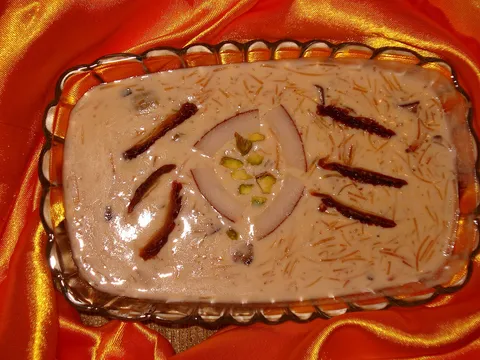
- Sheer khurma: 40 g of ghee, 100 g of vermicelli, 10 dates, 60 g of nuts and dry fruit, 4 cardamom pods, rose water and a pinch of saffron.
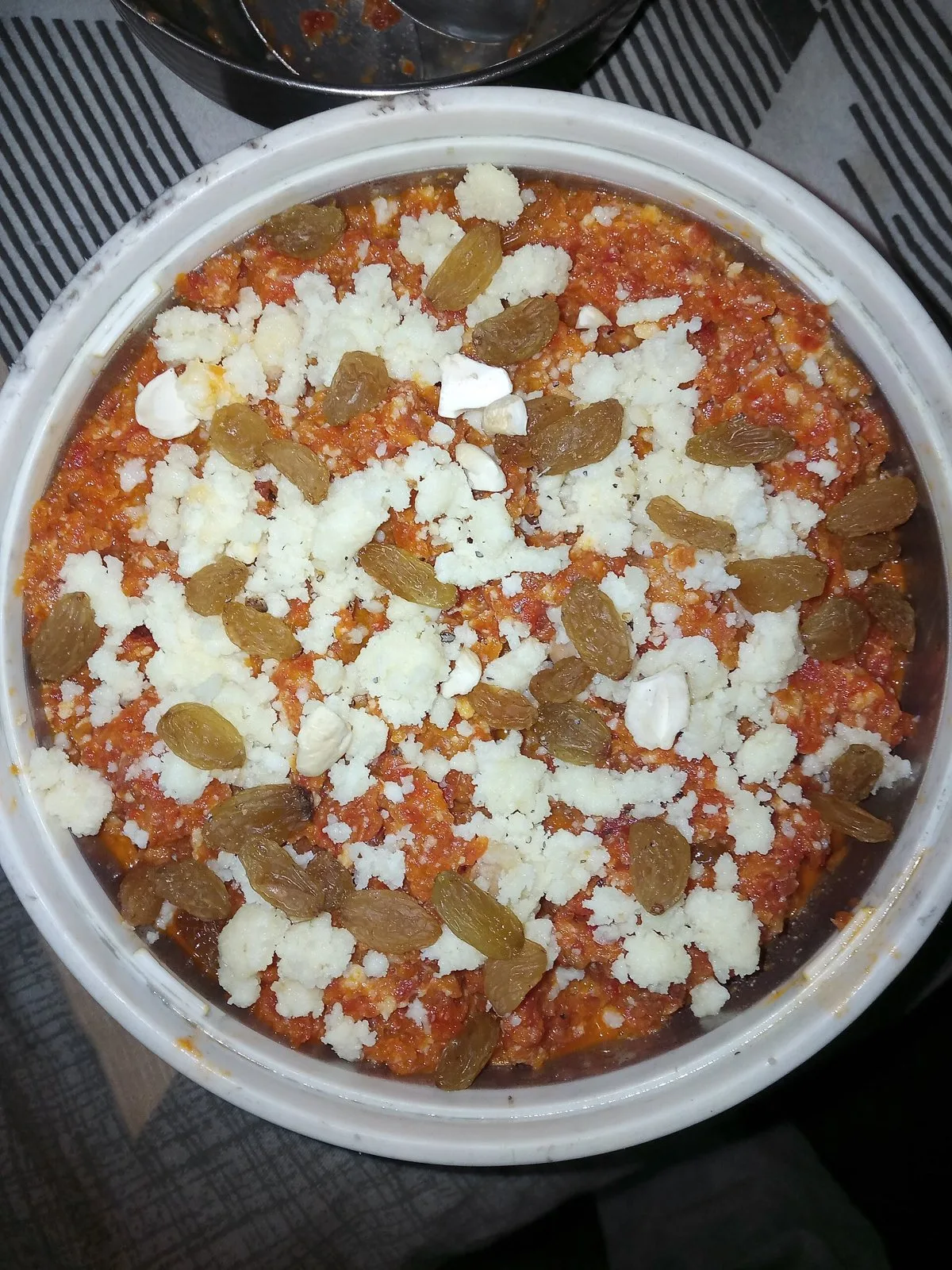
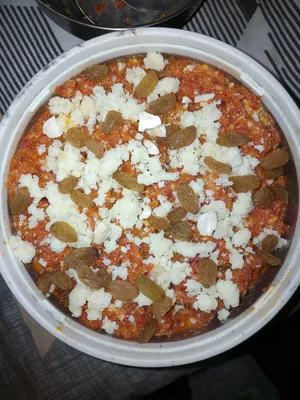
- Gajar halwa: 100 g of ghee, cardamom and a garnish of chopped nuts and dry fruit.
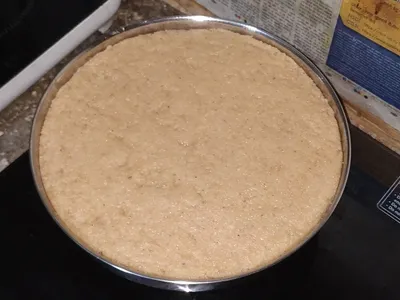
- Suji halwa: ghee for roasting the semolina, cardamom and nuts.
- Zarda: ghee, dry fruits, saffron, cardamom, cinnamon and cloves.
<!-- VERIFY: ingredient amounts were read from the recipe data by position; confirm ghee quantities on live pages. -->
Notice the pattern. Ghee goes in early and in volume, and nuts appear in the garnish, so any stale taste shows.
Ghee
Ghee is clarified butter with the milk solids and water removed, so it lasts much longer than butter. Even so, it can go rancid with time, heat, light and moisture.
Storage habits that help:
- Keep it in a clean, dry jar with a tight lid.
- Always use a dry spoon. A wet spoon puts water in the jar, and mould follows.
- Store it in a cool cupboard away from the stove. In a hot kitchen, the fridge is fine, though it will turn solid.
- Do not top up an old jar with new ghee.
Check it by smell and by a small taste. Fresh ghee smells nutty and sweet. Rancid ghee smells sharp, soapy, like crayons or old oil. If you hesitate, taste a pinch on a spoon. A bitter or stale aftertaste means it will spoil a dessert.
<!-- VERIFY: ghee shelf-life claims intentionally omitted; add a sourced figure before publishing. -->
Nuts
Almonds, pistachios and cashews are high in oil, which oxidises. Warm kitchens and clear jars speed it up.
- Whole nuts keep longer than chopped nuts. Chop what you need on the day.
- Airtight, cool, dark. An opaque tub in the cupboard. For a stock lasting past a month or two, keep them in the fridge or freezer.
- Smell before using. Fresh nuts smell sweet and mild. Stale nuts smell like old paint or cardboard, and taste bitter.
- Toast lightly just before use, for sheer khurma or the halwa garnish. A few minutes in a dry pan wakes up the flavour and hides slight age, but it cannot rescue truly rancid nuts.
<!-- VERIFY: "a month or two" at room temperature, and the freezer advice, are general rules; confirm with a nut board or food-extension source. -->
Dates and raisins
Dried fruit lasts longer than nuts because of the sugar, but it dries out and hardens, and sugar can crystallise on dates. In humid weather, they can mould.
- Keep dates in a closed container. A thin layer of sugar crystals on the skin is harmless. Fuzzy mould is not.
- If they are hard, soak them for 10 minutes in warm water or milk before chopping. Sheer khurma simmers its 10 dates for 5 minutes anyway, so they soften in the pot.
- Rinse raisins and soak them briefly if they feel dry.
Saffron, cardamom, and other spices
Saffron is the costly one, so protect it. Keep it in a small airtight tin or jar, away from light and heat. A pinch of strands is enough for sheer khurma. Steep it in a spoon or two of warm milk, and it colours more evenly than it does when sprinkled dry.
Cardamom pods keep their aroma better than ground powder. Crush them just before cooking. Cinnamon sticks and cloves follow the same rule. Our post on how long spices last gives the whole-versus-ground comparison.
Rose water (gulab jal) should be kept closed and cool. If it smells flat or sour, replace it. It is the last ingredient to go into sheer khurma, so it carries a lot of the flavour.
A pre-Eid stock check, a week before
Here is a short checklist that takes 15 minutes:
- Open the ghee jar, smell, taste.
- Smell every bag of nuts. Throw away any that smell like paint.
- Check the dates for mould and hardness.
- Check cardamom pods for fragrance. If you cannot smell anything when you crush one, buy new.
- Look at the saffron colour. It should be a deep red, not faded.
- Check the date on the vermicelli and semolina for bugs or stale smell.
- Write the shortage list and shop once, not three times during Eid week.
Using up the rest after Eid
Leftover nuts and dry fruit do not need to sit in the pantry. Chop them into a jar of plain yogurt for breakfast, stir them into leftover kheer, or add a handful to the next batch of suji halwa. Leftover ghee goes into the daily tarka, so it gets used long before it ages.
If you still have more ghee than you need, divide it into two small jars. Keep one in the cupboard for daily use and the other sealed in the fridge for later. Opening the sealed jar less often keeps it fresher.
How much to buy
Resist the urge to stock up for a month. Sheer khurma uses 60 g of nuts for 6 servings. A mid-sized family making three sweets might use 150 to 200 g of nuts in total. Buy small bags from a shop with a quick turnover, and use any leftovers within weeks.
Once the festival is over, move leftover nuts into the freezer in a labelled bag.
Writing the shopping list in Degchi before Eid means you will not buy the third packet of pistachios because nobody remembered the first two.
Related recipes
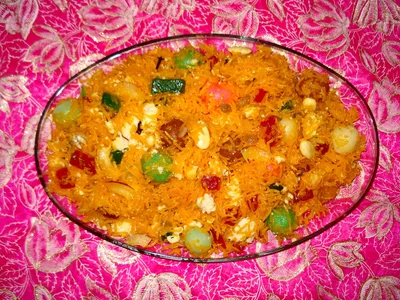
Related posts
Your Shopping List, Built from Your Pantry
Most shopping lists are written once and forgotten. Degchi's list is built from what you are actually running out of, and it keeps your pantry up to date when you tick things off.

Rajma Chawal for Four: A Sunday Dinner With US Measurements
Rajma chawal is comfort food that runs on pantry staples. Here is a clear version with US measurements and honest notes on dried versus canned beans.
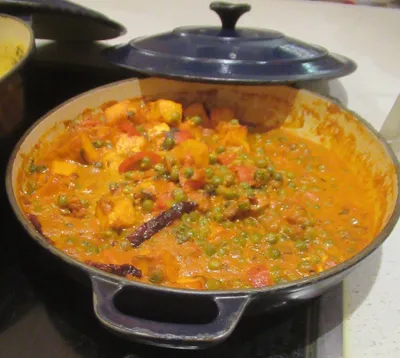
What Can I Cook With Paneer? 8 Dishes, From a 25-Minute Bhurji to Malai Kofta
One block of paneer, eight dinners. Each dish comes from a real recipe with metric and US amounts, plus the soft-paneer tricks and storage rules that matter.
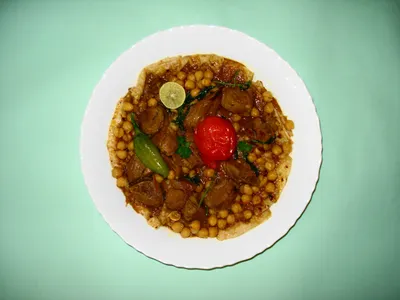
Thareed at Home: Bread Stew That Soaks Without Turning Pasty
Thareed is a meat and vegetable stew poured over torn thin bread. The two things that decide it are broth flavour and how long the bread sits. Here is the timeline.