 Degchi

Photo: Scott Veg / CC BY 4.0
Rajma Chawal for Four: A Sunday Dinner With US Measurements
A pantry dinner that feels like a treat
Few dishes are as loved in North Indian and Pakistani homes as rajma chawal: red kidney beans in a thick, tomato-and-onion gravy, served over steamed rice. It asks for very little. If you keep dried or canned kidney beans, onions, tomatoes, rice and a few spices, you can make it on a quiet Sunday and have leftovers for the week.
This post gives a simple home version with US measurements. For the full step-by-step recipe with a servings scaler, see the rajma recipe. Treat the numbers below as a flexible starting point, not a strict formula.
What you need (serves 4)
For the beans
- 1 cup dried red kidney beans, or two 15-oz cans, drained and rinsed
- Water for soaking and cooking (if using dried)
- 1 teaspoon salt (for dried beans, add at the end of cooking if you prefer)
For the gravy
- 2 tablespoons oil or ghee
- 1 teaspoon cumin seeds
- 1 large onion, finely chopped
- 1 tablespoon ginger-garlic paste, or 1 tablespoon each finely grated ginger and garlic
- 1 to 2 green chilies, slit (optional)
- 1 cup tomato puree, or 3 medium tomatoes pureed
- 1 teaspoon ground coriander
- 1 teaspoon red chili powder (use less if yours is very hot)
- 1/2 teaspoon turmeric
- 1/2 to 1 teaspoon garam masala
- Salt to taste
- Fresh coriander, to finish
To serve
- Steamed basmati or long-grain rice
- Sliced onion, lemon wedges and plain yogurt
Dried beans or canned beans?
Both work. Dried beans give a more tender, creamy result and cost less per serving. Canned beans are faster and perfectly acceptable on a weeknight.
If you use dried beans, there is one safety point worth knowing. Raw and undercooked red kidney beans contain a natural toxin, so they need proper cooking. The US Food and Drug Administration advises soaking dried kidney beans, draining the soaking water, and then boiling them vigorously for at least 10 minutes before simmering until tender. Slow cookers on a low setting may not reach a high enough temperature to deal with this, so boil the beans first. Canned beans are already cooked, so they skip this step.
Step 1: Prepare the beans
Dried beans: Rinse 1 cup beans and soak them in plenty of water for 8 hours or overnight. Drain and discard the soaking water. Put the beans in a pot or pressure cooker with fresh water, about three times the volume of the beans, and bring to a hard boil for at least 10 minutes. Then cook until the beans are soft and mash easily between your fingers. In a pressure cooker, this commonly takes around 20 to 30 minutes after the pot comes to pressure, but times vary by cooker and by how old the beans are. Keep some of the cooking liquid.
Canned beans: Drain and rinse, then set aside.
Step 2: Build the gravy
- Heat the oil in a wide pot over medium heat. Add the cumin seeds and let them sizzle for a few seconds.
- Add the chopped onion and cook until it turns golden brown, stirring often. This takes about 8 to 10 minutes. Do not rush this step, because the onion gives rajma its depth.
- Add the ginger-garlic paste and green chilies. Cook for about a minute until the raw smell fades.
- Add the tomato puree, coriander, chili powder and turmeric. Cook until the oil begins to separate from the masala, about 8 to 10 minutes.
- If the masala sticks, add a splash of water.
Step 3: Combine and simmer
Add the cooked beans with about 1 cup of the cooking liquid (or plain water for canned beans). Add salt. Simmer on low heat for 15 to 20 minutes, covered partly, stirring now and then.
For a thicker gravy, mash a few spoonfuls of beans against the side of the pot and stir them in. This is the classic trick for a creamy texture without adding cream.
Finish with garam masala and fresh coriander. Taste and adjust salt and chili.
Canned beans need less simmering, about 10 to 15 minutes, because they are already soft. A longer simmer lets the gravy thicken and the flavors blend.
Serving ideas
Serve over rice with a side of sliced onion, a lemon wedge and a spoonful of yogurt. Some families add a simple salad or a dry vegetable like aloo gobi. If you want something tangy alongside, kadhi is a traditional pairing in many homes.
Making it your own
- Milder: Use less chili powder and skip the green chilies.
- Richer: Finish with a teaspoon of butter or a spoonful of cream, if your household eats it.
- Different bean: Chickpeas work in the same gravy and give you something close to chana masala.
- Faster: Use canned beans and tomato puree, and the whole dish comes together in under 40 minutes.
Leftovers and storage
Rajma tastes better the next day, which makes it good for meal prep. Cool it promptly, ideally within two hours of cooking and sooner on a hot day, and store it in the fridge in a covered container. USDA guidance is to eat cooked leftovers within three to four days. For longer storage, freeze it in portions. When you reheat, bring it to steaming hot throughout, and the USDA advises reheating leftovers to 165 F (74 C).
Cooked rice needs separate attention. Cool it quickly, refrigerate it, and use it within a day, as recommended by UK health guidance. Our guide to storing rice and daal safely explains why.
Using up the pot
A big batch of rajma can become several meals.
- Day one: Rajma chawal with yogurt.
- Day two: Rajma in a wrap or paratha with sliced onion.
- Day three: Thin it with water and stock for a hearty soup.
Meal ideas like these are useful when you are trying to cook less often. If you track your kitchen in Degchi, marking the beans and rice as low when you run short puts them on your shopping list, so the next rajma night does not begin with a hunt through the cupboard.
Common mistakes
- Not boiling dried kidney beans properly. Boil them first, as described above.
- Rushing the onions. Pale onions make a flat gravy.
- Adding salt too early to dried beans in some households. Opinions differ on whether it affects tenderness. Adding salt to the gravy is fine either way, so season to taste at the end.
- Skipping the mash. A few mashed beans make the whole pot creamier.
Rajma chawal in six lines
- Soak dried beans, discard the water, then boil hard for at least 10 minutes.
- Brown the onions slowly.
- Cook the masala until the oil separates.
- Mash a few beans to thicken.
- Serve with rice, onion and yogurt.
- Cool and refrigerate leftovers promptly and reheat to steaming hot.
Rajma chawal rewards patience more than skill, and it is one of the most forgiving dishes you can cook for a family.
Related recipes



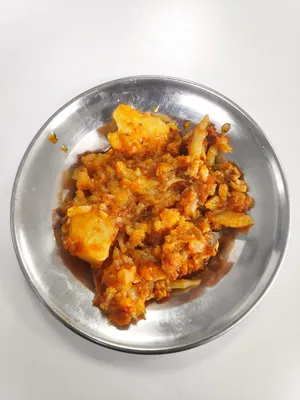
Related posts

Why Is My Dal Makhani Not Creamy? Grainy or Thin Fixes
Grainy, thin or pale dal makhani is almost always about time and mashing, not cream. Here is what the pot should look like at each stage.
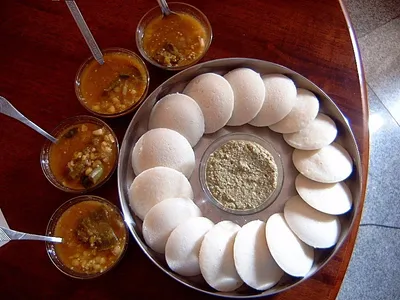
Vegetable Kurma: South Indian Coconut Gravy at Home
A mild coconut and cashew gravy for idli, parotta or rice. The paste, the par-boil and the one timing mistake that turns the vegetables to mush.
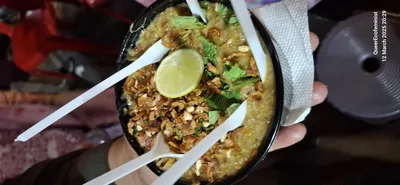
A 7-Dish Pakistani Iftar Menu, in US Cups and Ounces
Seven dishes that make a classic Pakistani iftar table, with amounts in US cups and ounces, who they serve, and an order of work so it all lands at sunset.

Instant Pot vs Stovetop Pressure Cooker for Desi Food
An electric pressure cooker and a stovetop whistle cooker both soften rajma. They differ on bhuna, timing and how much you can walk away. A plain comparison.