 Degchi
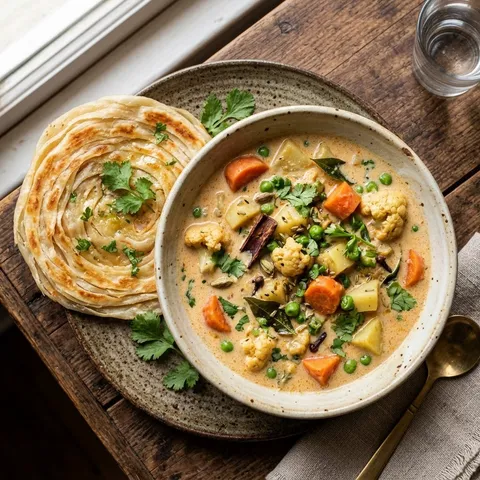
Vegetable Kurma: South Indian Coconut Gravy at Home
Your vegetable kurma tasted fine but looked like baby food, because the potatoes and carrots dissolved into the gravy. Or it came out thin, grainy and bland. This coconut-cashew curry is a staple beside idli, parotta and chapati in South Indian homes, and it works best when you cook the paste and the vegetables separately before they meet. This is the method from our vegetable kurma recipe, with the fixes for the usual problems.
Kurma vs the other vegetable curries
Kurma (also spelled korma) in South India usually means a mild, pale gravy thickened with ground coconut and nuts, not the cream-and-yogurt korma of the north. There is little tomato and not much heat. If you cook a lot of Punjabi food, think of it as the quiet cousin of aloo gobi: the same vegetables, a totally different gravy.
What goes in (serves 4)
- 1 potato, 1 carrot, 150 g (5.3 oz) cauliflower florets and 100 g (about 3/4 cup) green peas, in roughly equal bite-size pieces
- 4 tbsp grated coconut (fresh, or frozen and thawed)
- 8 cashews, soaked
- 1 tsp fennel seeds
- 1 onion, sliced; 2 green chillies; 1 tsp each ginger and garlic
- 3 tbsp oil, 1/2 tsp turmeric, 1 tsp salt
The quantity of vegetables is deliberately loose; a handful more or less will not hurt.
Step by step
- Make the paste. Blend the coconut, soaked cashews and fennel with a little water into a smooth paste. Smooth matters: a gritty paste gives a grainy gravy.
- Par-boil the vegetables, about 10 minutes. Cook all of them together in salted water until just tender, with a bit of bite left. Drain and set aside.
- Cook the onion, about 5 minutes. In 3 tbsp oil, fry the onion, chillies, ginger and garlic until the onion softens, not browns.
- Cook the paste, about 5 minutes. Add the turmeric and the coconut-cashew paste. Stir often so it does not stick; it will thicken and smell sweet and nutty.
- Combine and simmer, about 8 minutes. Add the vegetables and 1 cup (240 ml) of water. Simmer until the gravy coats the back of a spoon.
- Taste and salt. Serve hot.
Total hands-on time is around 35 to 40 minutes, matching the 30-minute cook plus prep in the recipe.
The par-boil trap
Our recipe tip is the whole lesson: do not overcook the vegetables in the first boil, because they cook again in the gravy and can turn mushy. Pull them when a knife meets some resistance. Potato goes soft fastest at the edges, so cut it slightly larger than the carrot if you want everything to finish together. <!-- VERIFY: cutting potato larger than carrot to even out cooking; general cook tip, not from recipe data. -->
If you would rather skip the separate boil, you can cook all the vegetables in the gravy with a lid on, adding the potato and carrot first, then the cauliflower and peas about 5 minutes later. It saves a pan but takes watching.
Fixing thin, grainy or bland kurma
| Problem | Likely cause | Fix |
|---|---|---|
| Thin gravy | Too much water, or paste too small | Simmer uncovered 3-5 more minutes; mash a few potato cubes into it |
| Grainy | Coarse paste | Blend longer with a splash more water; soak cashews hotter and longer |
| Bland | Paste raw, or too little salt | Cook the paste a full 5 minutes; salt at the end |
| Mushy vegetables | Over-boiled | Shorten the first boil to about 7 minutes next time |
| Split, oily | High heat | Keep it at a gentle simmer |
Do not boil it hard once the coconut paste is in. Coconut gravies split at a hard boil; see the same idea in our coconut milk shrimp curry post.
Coconut and cashew abroad
Frozen grated coconut from an Indian grocery works, and so does unsweetened desiccated coconut soaked in warm water for 15 minutes and drained. Do not use sweetened flaked coconut. Cashews can be swapped for blanched almonds in a pinch. For a nut-free table, use 2 extra tablespoons of coconut and a tablespoon of roasted chickpea flour or poppy seeds; the texture will be a little different. <!-- VERIFY: nut-free swap with roasted gram flour or poppy seeds; common substitute, untested. -->
If the paste seems very thick when blending, add water a tablespoon at a time. A smooth paste matters more than a perfect quantity.
What to serve it with
Kurma is built to go alongside something soft that can carry gravy. Typical partners:
- Parotta, the flaky layered flatbread of the south. A frozen parotta crisped on a tawa works well; see what to cook with frozen paratha.
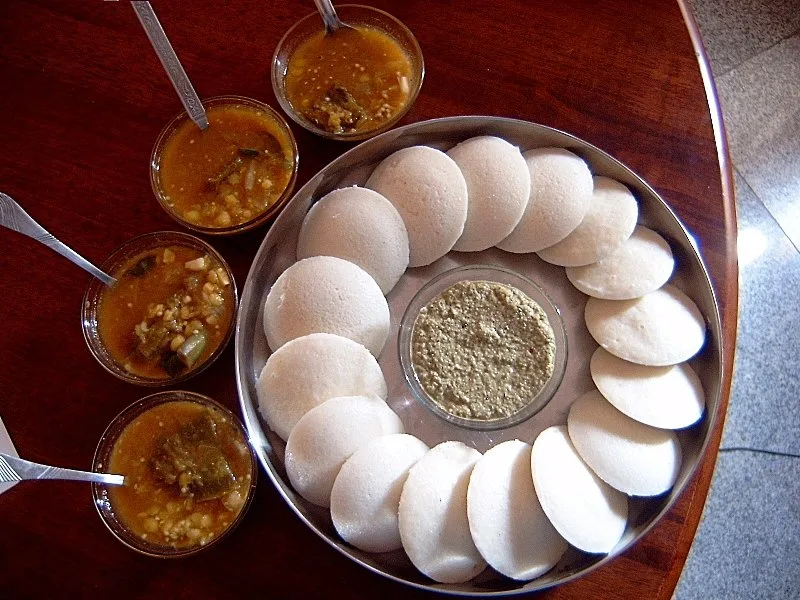
- Idli and appam, for a mild breakfast.
- Chapati or phulka, for an everyday meal.
- Plain rice, with a spoon of ghee.
If you are building a tiffin plate, the South Indian tiffin plate guide shows where a coconut gravy fits next to sambar and chutney. The idli sambar recipe and masala dosa recipe are good partners for a weekend breakfast spread.
Storing and reheating
Cool the kurma within about 2 hours, refrigerate in a covered container, and eat within 3 days. <!-- VERIFY: 3-day fridge window for cooked vegetable curry; USDA says 3-4 days for cooked leftovers, confirm before keeping. --> It thickens in the fridge, so add a splash of water when reheating and warm over medium-low heat until steaming hot throughout.
A timeline for a weekend brunch
- Evening before: soak the cashews; thaw the coconut.
- 30 minutes before eating: chop, par-boil, blend the paste.
- 15 minutes before: cook the onion and paste, combine.
- Last 5 minutes: crisp the parotta, warm the idli.
You can keep the shopping list and what is already in the kitchen in Degchi's pantry at /#try.
Related recipes


Related posts
Falafel Falling Apart in the Oil? Start With Raw Chickpeas
The one rule behind crisp falafel is raw, soaked chickpeas, never tinned. Everything else is texture, chilling and oil heat. Here is the method with metric and US amounts.
Rajma Chawal for Four: A Sunday Dinner With US Measurements
Rajma chawal is comfort food that runs on pantry staples. Here is a clear version with US measurements and honest notes on dried versus canned beans.