 Degchi
Chingri Malai Curry With Frozen Shrimp, No Splitting
Your coconut milk curdled into oily specks, and the shrimp went rubbery on top of it. Chingri malai curry looks forgiving, but it breaks in exactly those two ways, and it is made far from Bengal by people holding a bag of frozen shrimp. This is how to make chingri malai curry from supermarket frozen shrimp in about 35 minutes, with the heat control that keeps the gravy smooth.
What the dish is
Chingri is Bengali for prawn. Malai here means the creamy coconut-milk gravy, not dairy cream. The curry is pale gold, lightly sweet, scented with whole spices, and it sits in the Bengali meal between the thin fish curries and the festive meat dishes. For the everyday fish side of the same kitchen, see Bengali fish curry with frozen fish.
Quantities from our recipe
For four people:
- 500 g (1.1 lb) peeled, deveined shrimp, tails on
- 400 ml (1 2/3 cups) coconut milk, about one standard can
- 2 onions, ground to a paste
- 1 tbsp ginger paste
- 4 green cardamom pods, 1 small cinnamon stick, 3 cloves
- 4 green chillies, slit
- 2 tbsp ghee and 2 tbsp oil
- 1/2 tsp turmeric, salt, and optionally 1 tsp sugar
Buying and thawing frozen shrimp
Choose raw, peeled and deveined shrimp. Pre-cooked shrimp will turn tough in the second round of heat. Large sizes (often labelled 21/25 or 26/30 per pound) are easier to keep tender than small ones because they have a wider window between cooked and overcooked. <!-- VERIFY: size labels 21/25 and 26/30 mean count per pound; standard trade labels, no source opened. -->
Thaw in the fridge overnight, or place the sealed bag in a bowl of cold water for about 20 to 30 minutes. Do not leave shrimp at room temperature to thaw. Once thawed, pat completely dry with kitchen towel. Wet shrimp steam instead of sauté, and the water thins the gravy.
The 20-minute cook
Timings are from the recipe steps.
- Season and sauté the shrimp, 2 minutes. Rub with a little salt and turmeric. Cook in half the ghee and oil, just until they turn pink at the edges, and set aside. They are not done; this is only a start.
- Fry the onion paste, 4 minutes. Add the rest of the fat to the same pan. Cook until the raw onion smell is gone, not until it browns. A pale base keeps the curry pale.
- Add ginger and whole spices, 1 minute. Stir until the cardamom, cinnamon and cloves smell warm.
- Pour in the coconut milk, 5 minutes. Add the sugar and salt. Bring to a gentle simmer, stirring.
- Return the shrimp with the slit chillies, 5 minutes. Simmer gently until they are just cooked through: opaque, pink, curled into a loose C.
- Rest off the heat, 2 to 3 minutes. This lets the flavours settle and the gravy thicken slightly.
Why coconut milk splits and how to avoid it
Coconut milk separates when it is boiled hard, especially after sitting over a flame while onions or spices are still frying. Three habits prevent most splitting:
- Shake the can well, or stir the contents together before you pour. Coconut cream that has set at the top of the can can melt into oil if it hits the pan unevenly.
- Keep the simmer lazy. Small bubbles at the edge are enough. A rolling boil is where it breaks.
- Do not add anything acidic until the end. A squeeze of lemon right at serving is fine; adding it to the hot gravy is risky.
If it does split, take the pan off the heat, add a splash of warm water, and whisk hard. It will not be perfect but it usually comes back to something serviceable. <!-- VERIFY: rescue by off-heat whisking with warm water; common kitchen advice, not tested. -->
Rubbery shrimp: the one rule
Our recipe tip is blunt: do not overcook the shrimp once they go back into the gravy. A few minutes is enough, or they turn rubbery. Shrimp are done when they are opaque and have formed a "C"; a tight "O" means overcooked. For safety, shellfish should reach about 63 C (145 F) inside; for small shrimp, the colour change is the practical cue. <!-- VERIFY: 63 C / 145 F as the US guidance figure for shrimp; check against FDA/USDA before keeping. -->
Changes that still taste right
- Sugar: Bengali cooks often add a little; skip it if your coconut milk is already sweet.
- Ghee: keep at least 1 tbsp for the aroma.
- Chilli: slit chillies add heat without bits; remove them if serving children.
- No ground onion paste: grate the onion on a fine grater and drain nothing off.
- Fresh coconut: more work and not needed. Canned works well.
- Heavier gravy: simmer uncovered 2 more minutes before the shrimp go back in, not after.
Serving and leftovers
Serve with plain steamed rice, which soaks up the gravy; a simple musurir dal and a fried side like maach bhaja round it out. Our weekday lunch plate guide shows how to time those together.
Leftovers should be cooled within about 2 hours and eaten within a day or two; reheat gently until steaming hot, never in a hard boil. Shrimp will toughen on reheating, so eat it fresh when you can. <!-- VERIFY: shrimp leftover window of one to two days; use USDA guidance before stating firmer. -->
Quick troubleshooting
| Problem | Cause | Fix |
|---|---|---|
| Oily specks | Boiled hard | Lower the heat; whisk off the heat |
| Watery gravy | Shrimp not dried | Pat dry; simmer longer before adding shrimp |
| Rubbery shrimp | Overcooked | Add shrimp last; 5 minutes only |
| Bland | Thin onion paste | Fry the paste until the raw smell is gone |
| Grey colour | Browned onions | Keep the paste pale |
If you want to see whether you have coconut milk, ghee and cardamom before you shop, the pantry view in Degchi checks that: /#try.
Recipes with rice Recipes with milk Recipes with ghee Recipes with onions
Related recipes
Related posts
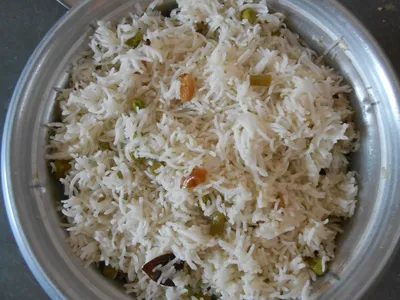
One-Pot Desi Dinners for Tired Evenings (Less Cooking, Less Washing Up)
One pot means one thing to wash. These rice-and-lentil style dinners get a full meal on the table with minimal fuss and very little cleanup.
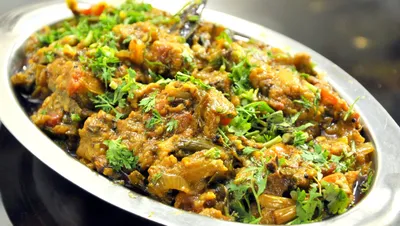
Brinjal, Baingan, Aubergine, Eggplant: Names and Dishes
Four names, one purple vegetable. A guide to brinjal, baingan, aubergine and eggplant, the dishes behind each name and the shapes to choose at the supermarket.

Leftover Cooked Chickpeas: What to Make With Half a Pot
You soaked and boiled the whole bag and now there is a lot left. Storage rules, freezing, and four dishes from our recipes that turn leftover chickpeas into dinner.

Cooking One Dinner for Picky Eaters and Spice Lovers
You do not have to cook two dinners. Cook one base, split it before the heat goes in, and let everyone finish their own plate. A method with real dishes.