 Degchi

Cooking One Dinner for Picky Eaters and Spice Lovers
The usual tension
One child will not eat anything with chilli. An uncle wants more heat. The cook is in the middle. Making two dinners wears you out, and always cooking mild leaves some people unhappy.
The split-the-pot method
Cook the base without the strong spices, then take out the mild portion before you add the heat.
- Cook onion, tomato and the main ingredient with salt and the mild spices.
- Remove a portion for the children.
- Add chilli, black pepper or fresh green chilli to what is left in the pot.
- Finish each as normal.
This works well for curries and sauces, and it is much easier than cooking separately.
Dishes that suit it
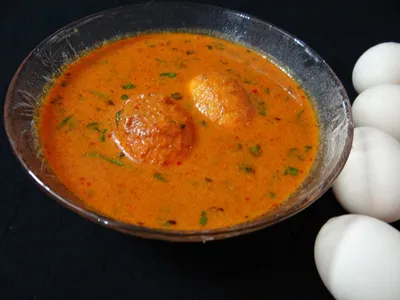
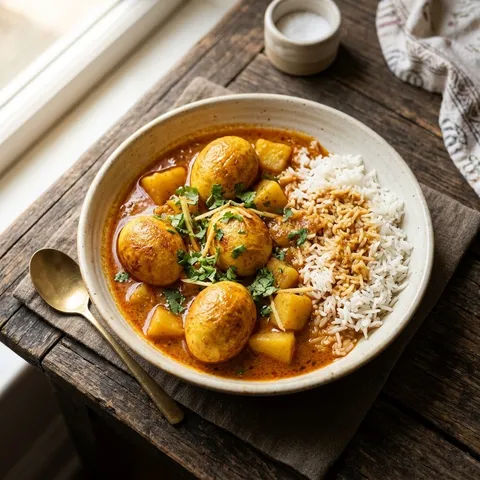
- Egg curry. Serves 4, with 10 minutes of prep and 30 of cooking. Take out the eggs and gravy for children before adding chilli.
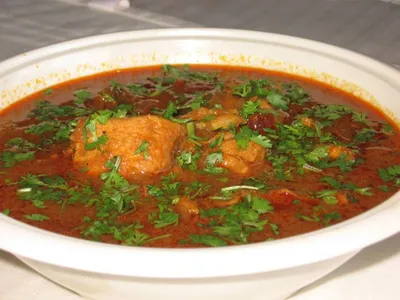
- Chicken macaroni. Serves 4 and takes 10 minutes of prep and 25 of cooking. Mild for the table, with chilli flakes, chutney or hot sauce on the side.
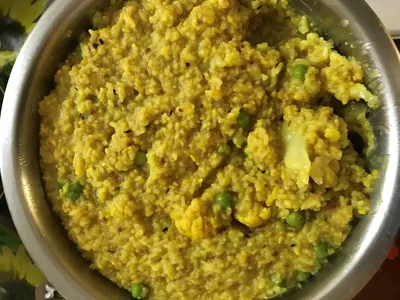
- Khichdi. Serves 4 with 10 minutes of prep and 30 of cooking. Soft, gentle, and a comfort food. Offer pickle for those who want a kick.
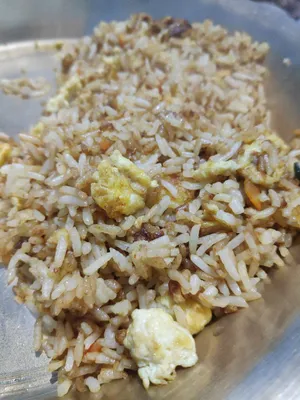
- Egg fried rice. Serves 3, 10 minutes of prep and 15 of cooking. Add a spoon of hot sauce at the table.
What the split looks like in practice
Egg curry for four. Fry 1 sliced onion until soft, add 2 chopped tomatoes, 1/2 teaspoon turmeric, 1 teaspoon ground coriander and salt. Cook until it is a thick sauce, about 8 minutes. Lift out about a third of the sauce into a small pan with 2 halved boiled eggs, and add a little water. To the big pot add 1 to 2 teaspoons of chilli powder, a pinch of garam masala and sliced green chilli. Add the remaining eggs and simmer 5 minutes. You have two curries from one chop.
Chicken macaroni. Cook the chicken and tomato sauce with garlic, salt and a little black pepper. Stir in the pasta, then scoop out the children's portion. Add chilli flakes and a spoon of hot sauce to the rest. If you keep a jar of chilli flakes on the table, you may not even need to split the pot.
Khichdi. Cook it plain with turmeric and salt. At the end, fry a spoon of ghee with cumin seeds and dried chilli, and pour it over the adults' bowls. The children's bowl gets plain ghee.
Ways to add flavour without heat
Mild does not have to mean bland. Children often accept flavour that is aromatic rather than hot:
- Roasted cumin, coriander and a little cinnamon or cardamom.
- Sweet paprika or Kashmiri chilli powder, which adds colour with very little heat.
- A squeeze of lemon, or a spoon of yogurt stirred in at the end.
- Fried onions, which add sweetness.
- Fresh coriander and mint.
Moving a child toward spicier food
There is no deadline, and some children simply prefer mild food for years. If you want to expand their range gently:
- Add a tiny amount of chilli, about a pinch for the whole pot, and see whether they notice.
- Offer a dip on the side rather than mixing it in. Children tend to accept food more easily when they control it.
- Pair a new flavour with something familiar, like a spoon of yogurt on the side.
- Be patient. Familiarity builds slowly, and a refusal today does not predict next month.
What to do on a really tired night
Keep a fallback that everyone accepts: eggs on toast, plain rice with daal, or a simple pasta. Serving the same easy meal now and then is not failing. It keeps dinner calm, which matters more than variety.
Picky-eater questions parents ask
What if my child refuses everything on the table? Keep the safe food on the plate, say nothing, and move on. Pressure usually makes it worse. If refusal is extreme or you are worried about weight or growth, talk to your doctor.
Is it safe to give young children chilli? Many families introduce very mild spice early. Children vary, so watch for discomfort. For very young children, the tastes you add after cooking are easier to control.
How do I stop the adults from complaining the food is bland? The heat bar is the answer: chillies, pickle, chutney and hot sauce all let adults tune their own plate.
Does this work for other differences, like vegetarians in a meat-eating family? Yes. The same idea applies. Cook the vegetable base first, take out the vegetarian portion, then add meat to the rest.
A "heat bar" on the table
Put a small tray out: green chillies, chilli flakes, pickle, chutney and yogurt. Everyone adds their own. It takes the pressure off the cook, and children who see others adding spice become curious in their own time.
Tips for fussy eating
- Offer small portions. A large plate can overwhelm. Let them ask for more.
- Keep one safe food on the plate. Plain rice or bread sits next to the new dish.
- Do not force. Repeated, low-pressure exposure is the general advice from many child nutrition sources. If you are worried about your child's growth or diet, speak to a doctor or dietitian.
- Let them help. Children often eat what they helped to cook. Lassi takes 10 minutes and is an easy first job.
Family votes
In Degchi, family members vote on dishes, and a dish is not suggested if more members dislike it than like it. It will still appear under "Others", so a dish is never lost. You can see how it works in the family dinner vote guide.
Related recipes

Related posts
Halal Meal Prep for the Week: A Simple Plan for Busy Families
Halal meal prep does not mean five identical boxes. Cook a few building blocks on one afternoon, store them safely, and assemble different dinners all week.
Toddler-Friendly Desi Meals: Gentle Versions of Family Favourites
You do not need a separate menu for a toddler. With a few small changes, most desi family dinners can be served to little ones too.
Should Kids Vote on Dinner? Rules That Keep It Fair and Sane
A dinner vote can end the nightly negotiation or start a new one. The difference is in the rules. Here is how to set them so kids feel heard and parents keep the final say.

When Kids Refuse Dinner: Desi Dishes That Often Get Eaten
A child who refuses dinner is exhausting. Seven desi dishes from our recipes that tend to work with fussy eaters, and small changes in spice, texture and plating.