 Degchi
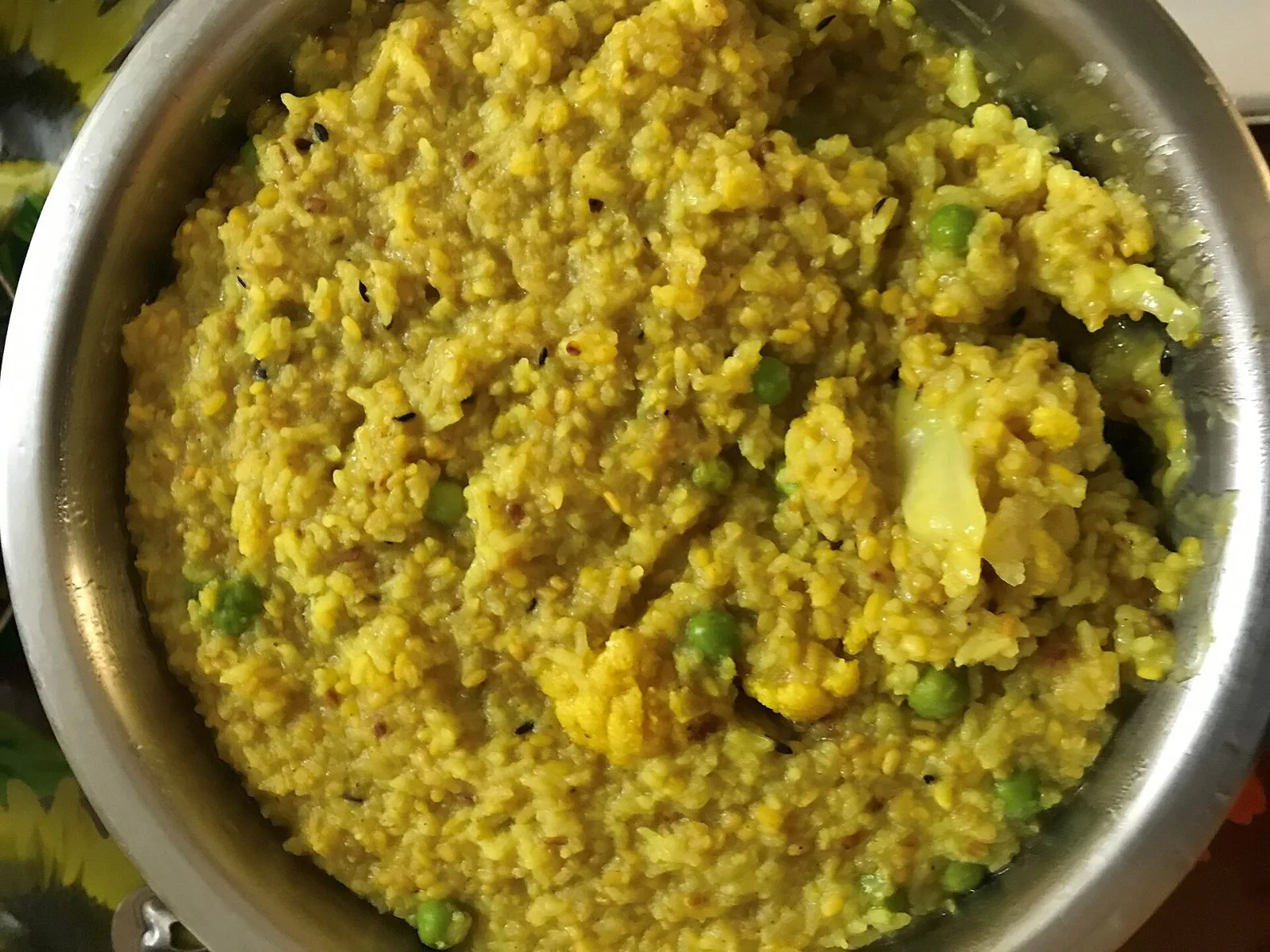
Photo: Rajeeb Dutta / CC BY-SA 4.0
Toddler-Friendly Desi Meals: Gentle Versions of Family Favourites
One dinner, two serving styles
Cooking a second meal for a toddler is a quick way to burn out. The good news is that South Asian home cooking is well suited to sharing. Lentils, rice, soft vegetables, eggs, and yogurt already appear on most family tables. What changes is when you add the heat and how you serve the plate.
The core idea is simple: cook the base gently, take out the toddler's portion, then finish the rest of the pot for the adults. This guide is general cooking advice, not medical advice. For allergies, feeding concerns, or questions about when to introduce a food, talk to your child's doctor or health visitor.
Hold back the heat, not the flavour
Toddlers often reject food because it is too hot with chilli, not because it is unfamiliar. You can keep the aromatic parts of a dish, such as cumin, a little turmeric, coriander, and a pinch of garam masala, and leave out the green chilli and red chilli powder until the end.
A practical method for a pot of daal:
- Cook the lentils with turmeric and salt until completely soft.
- Scoop out the toddler's portion.
- Make the tarka (hot oil with cumin, garlic, and chilli) and pour it over the adult portion only.
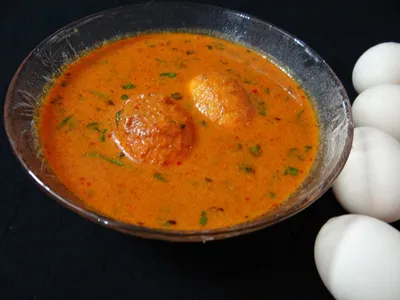
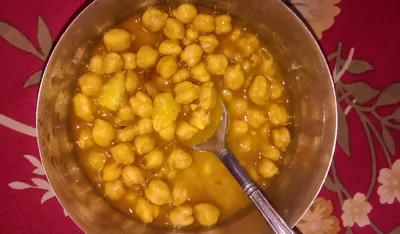
The same trick works for anda curry, chana masala, and most mince dishes. Build the sauce, serve the child's bowl, then add chilli powder to the rest.
Go easy on salt
Very young children need much less salt than adults, and packaged stock cubes, pickles, and ready spice mixes can add a lot. Cook the base with a light hand, then let adults add salt at the table. Many health services recommend avoiding added salt in food for babies, so if your child is under about a year, check current guidance where you live before sharing the family pot.
Textures that are easy to manage
Texture matters as much as taste. Think about how well a child can chew and swallow, and adjust.
- Khichdi and daal: Khichdi is the classic toddler food for good reason. Cook it a little longer with extra water until it is soft and spoonable. Stir in a small spoon of ghee or butter.
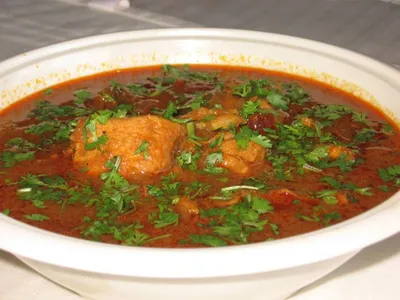
- Mince (keema): Cook it until very tender and break it up with a spoon. Aloo keema with soft potato works well, mashed a little with a fork.
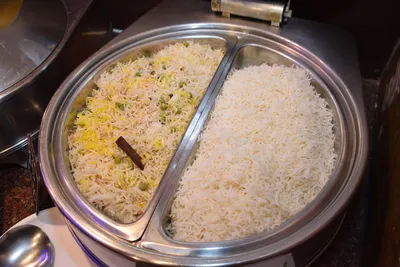
- Rice: Plain rice can be sticky and easy to grab. Matar pulao is fine, but squash a few peas first if your toddler is still learning to chew.
- Roti and paratha: Tear them into small strips instead of handing over a large piece.
Shapes and sizes to be careful with
Choking is the main safety concern with toddlers, so shape matters. Whole nuts, whole grapes, large chunks of hard raw vegetable, and big pieces of meat are common hazards for young children. Cut round foods like grapes and cherry tomatoes lengthways into quarters. Grate or cook hard vegetables such as carrot until soft. Have your child sit while eating, and stay with them.
Honey is not suitable for babies under twelve months, so skip it in lassi or sweet dishes for infants.
Five easy toddler plates from the usual pantry
Soft khichdi with yogurt. Rice and moong lentils cooked together, a spoonful of plain yogurt beside it.
Egg and potato mash. Boil an egg until firm and a potato until soft, mash with a little butter, and add a pinch of cumin.
Mild chana and rice. Use canned chickpeas, rinsed, cooked in a tomato base and lightly mashed. Serve with soft rice.
Paneer and spinach. Soften spinach in a pan, blend it slightly, and fold in crumbled paneer.
Vegetable pancakes (cheela). Whisk gram flour with water, grated carrot or courgette, and a pinch of salt. Fry small, soft pancakes.
Make it part of the family dinner
Toddlers copy what they see. If the family eats the same dish, even in a different spice level, children are more likely to try it. Put a small portion of the main dish on their plate beside one or two familiar foods. Do not force a bite. Offering a food many times without pressure is more effective than arguing over one meal.
Letting a child help also works. Washing vegetables, stirring cold yogurt, or tearing herbs gives them a stake in the meal.
Food safety with little ones
Toddlers are more vulnerable to foodborne illness, so a few habits matter.
- Cook poultry to an internal temperature of 165°F (74°C) and ground meat to 160°F (71°C), following USDA guidance.
- Put leftovers in the fridge within two hours of cooking, or within one hour if the room is hotter than 90°F (32°C).
- Eat refrigerated leftovers within three to four days, and reheat them until steaming hot, to 165°F (74°C).
- Cool rice quickly and refrigerate it promptly. Do not leave cooked rice sitting at room temperature.
- Do not reheat food multiple times. Reheat only the portion you will eat.
Freeze small portions
A toddler eats little, so cooking a separate batch each day is wasteful. Freeze khichdi, daal, or mince in ice-cube trays or small containers. Freeze at 0°F (-18°C) and defrost overnight in the fridge, not on the counter. Label each with the date and eat within a few months for best quality.
Where Degchi can help
If you want to see which toddler-friendly dishes you can already make with what you have, Degchi lets you track your pantry, shows dishes that match, and lets you change servings on a recipe page so a small batch is easy to cook. It is a convenience, not a requirement, and a notebook of your child's favourites works too.
A quick recap
- Cook the base mild, finish adult portions with chilli.
- Keep salt low and add it at the table.
- Match texture and shape to your child's chewing skills.
- Follow USDA temperature and storage guidance.
- Freeze small portions to save daily effort.
Related recipes
Related posts
One Kitchen, Many Diets: Desi Meals for a Multigenerational Household
Grandparents may need less salt, children want mild food, and someone is vegetarian on Tuesdays. Here is how to cook one base and adapt it at the table.
Halal Meal Prep for the Week: A Simple Plan for Busy Families
Halal meal prep does not mean five identical boxes. Cook a few building blocks on one afternoon, store them safely, and assemble different dinners all week.
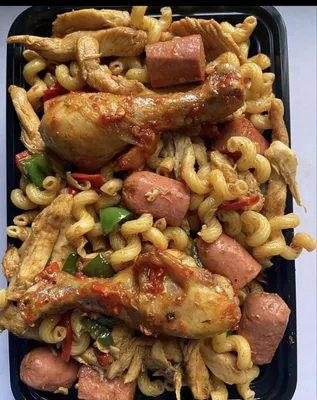
Cooking One Dinner for Picky Eaters and Spice Lovers
You do not have to cook two dinners. Cook one base, split it before the heat goes in, and let everyone finish their own plate. A method with real dishes.