 Degchi
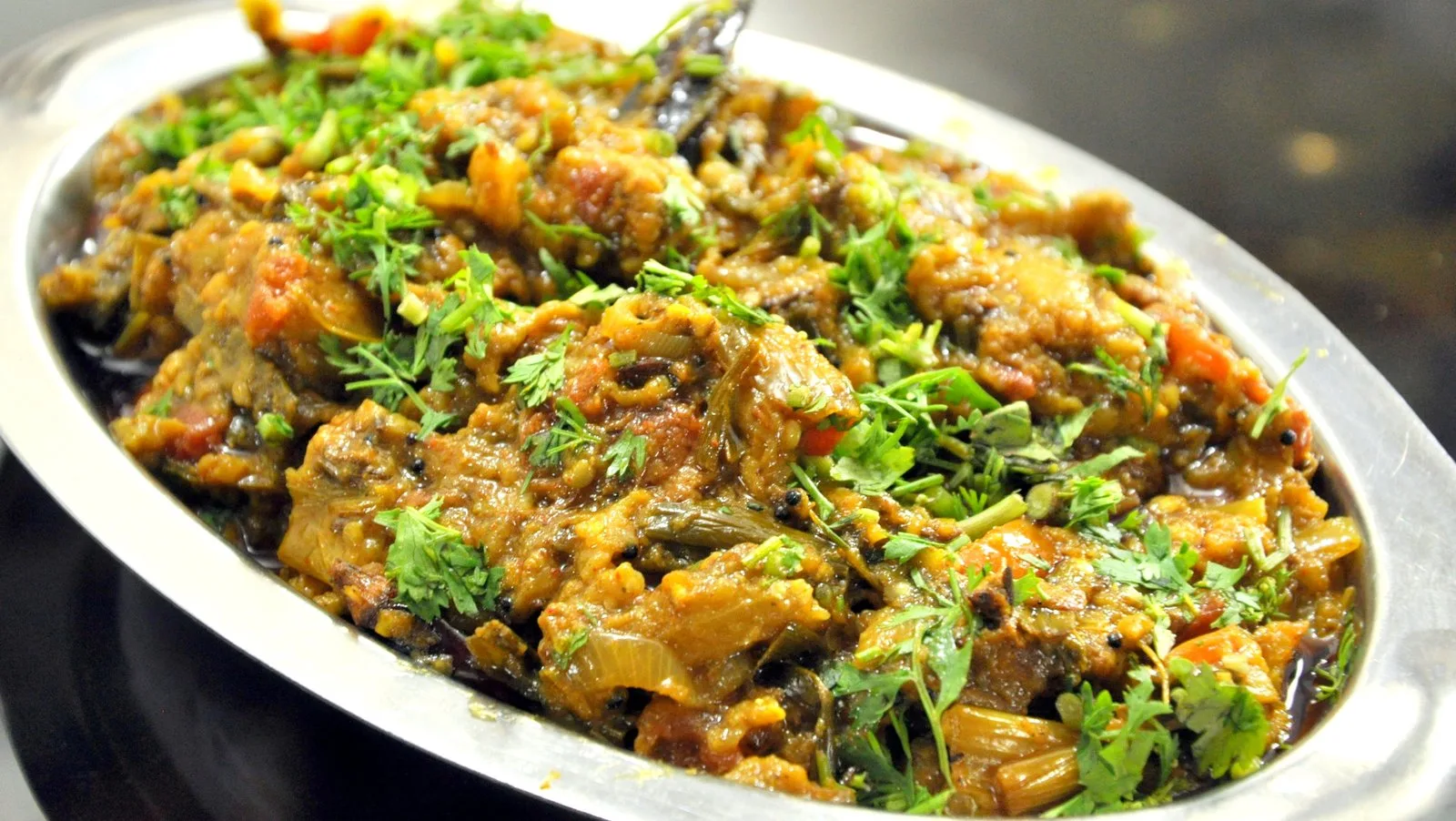
Photo: Dheerajk88 / CC BY-SA 4.0
Brinjal, Baingan, Aubergine, Eggplant: Names and Dishes
A Pakistani aunty says baingan. An Indian English cookbook says brinjal. A British shelf label says aubergine. The American one says eggplant. Same vegetable, four words, and a good reason to read the label before you cook the wrong dish.
Who says what
- Baingan is the Hindi and Urdu word. It is also spelled baigan or baingun in Roman script, and in Bengali the word is begun.
- Brinjal is the standard word in Indian English and in South Africa, and you will find it in many recipe books from the subcontinent. It came into English through Portuguese.
- Aubergine is the word in the UK and in French.
- Eggplant is the American word, and it is also used in Australia and Canada.
The vegetable is the same in all four, but the shape you find under each name can differ because shops stock the varieties their local customers cook with.
Shapes and what they are good at
There are three types you will meet, with big differences in cooking.
Large globe. The big, dark purple, pear-shaped one common in the US and UK. It has thick flesh and holds a lot of moisture. It is the one to roast whole over flame or in a hot oven for a smoky mash, and it is the usual choice for baingan bharta. The skin chars and peels away, and the soft flesh is then mashed with onions, tomatoes and spices.
Long and slim. Often sold as Chinese, Japanese or "Asian" eggplant. The skin is thinner and the seeds fewer. It cooks faster and does not usually need salting. Good for slicing into long strips for frying or curries.
Small round. A golf-ball sized purple or green one, found in Indian and Pakistani grocers, often sold as "Indian brinjal", "baby eggplant" or "round baingan". It is cut in a cross and stuffed with a masala, or cooked whole in a gravy. This is the one in many stuffed baingan dishes. Its seeds can be a little more bitter, depending on age.
How the dishes line up
Three families of dishes cover most baingan cooking at home.
- Smoked and mashed. Baingan bharta, the dish that most people mean when they say "baingan". Roast the whole vegetable until the skin blackens and the flesh collapses, which usually takes about 40 to 50 minutes in a 200 C (400 F) oven, turning it once, and a bit less over an open flame. Peel, mash and cook with onion, tomato and spices.
- Fried or shallow-fried slices. Slice into rounds about 1 cm (0.4 in) thick, coat, and shallow-fry. These are served as a side or inside sandwiches and rolls.
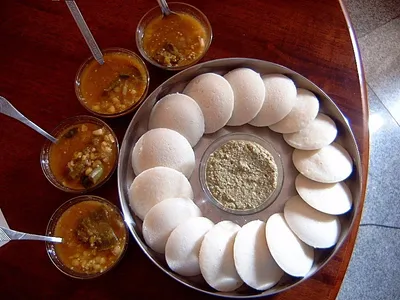
- Gravy and sambar. Chunks of brinjal go into sambar and sabzi, where they soften in the broth. Try them in a pot of sambar, such as the one served with idli sambar.
Brinjal also pairs with other vegetables in mixed dishes, similar to the way potato and cauliflower sit together in aloo gobi, though recipes vary widely.
Do you need to salt it?
It depends. Many cooks salt sliced aubergine and let it sit for 20 to 30 minutes, then pat it dry. The idea is to draw out some moisture and reduce bitterness, and to cut down on how much oil the slices absorb in the pan. Modern varieties are often less bitter than older ones, so some cooks skip the step. If your slices turn out greasy or bitter, try salting next time.
For roasting whole for bharta, no salting is needed.
Picking a good one
- The skin should be tight, smooth and glossy.
- It should feel heavy for its size.
- Press gently with a thumb. It should spring back, not leave a dent.
- Avoid ones with soft brown patches or a wrinkled skin.
- A fresh green cap, called the calyx, is a good sign.
Store it unwashed in the fridge for a few days. It is sensitive to cold if left for long, so do not keep it at the very back of a cold shelf.
Names in the wild
Names on a menu or shelf may shift. A few examples:
| You see | Often means |
|---|---|
| Brinjal | Any of the above, in an Indian shop usually the small round or long variety |
| Aubergine | Large globe, in the UK |
| Eggplant | Large globe, in the US, though slim "Asian eggplant" is also labelled this way |
| Baingan | The vegetable in Hindi or Urdu; also short for baingan bharta |
| Begun | The Bengali word, as in begun bhaja (fried brinjal slices) |
If a recipe does not state the type, a large globe is a safe default for mashing, and long slim ones are a good default for slicing and frying.
A shopping note for abroad
If you live where Indian or Pakistani grocers are nearby, look for the small round or long thin kind for stuffed and gravy dishes. If you only have a general supermarket, one large globe, about 400 to 500 g (14 to 18 oz), is usually enough for a bharta for two to three people, but that varies with how much onion and tomato you add.
For substitutions when your shop does not stock what you want, desi ingredient substitutes abroad has more ideas. If you want to see which dishes your fridge already covers, try the pantry sandbox, which treats all four names as one item.
Recipes with potatoes Recipes with tomatoes Recipes with onions
Related recipes

Related posts
Baingan Bharta Smoky on an Electric Stove or Oven
The smoke is the whole point of baingan bharta, and it comes from charring the skin. How to get close with an electric hob, a broiler or a barbecue.
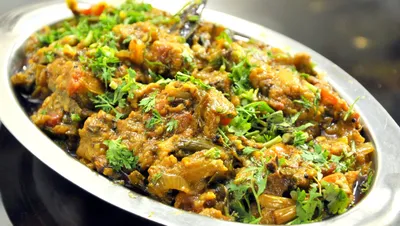
Baingan Bharta vs Begun Bhorta vs Mutabbal
One method, three results. Baingan bharta is cooked, begun bhorta is raw and sharp, mutabbal is creamy. Here is what changes and what stays the same.
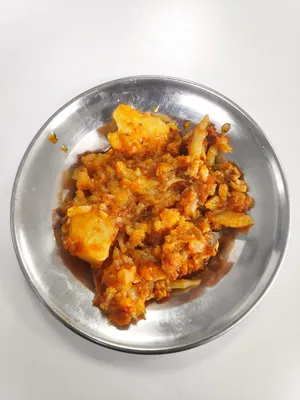
Desi Vegetable Names: Aubergine, Brinjal, Baingan and More
The recipe says tori, the shop sign says ridge gourd, and the app says luffa. A plain translation list for the vegetables desi recipes keep asking for.