 Degchi
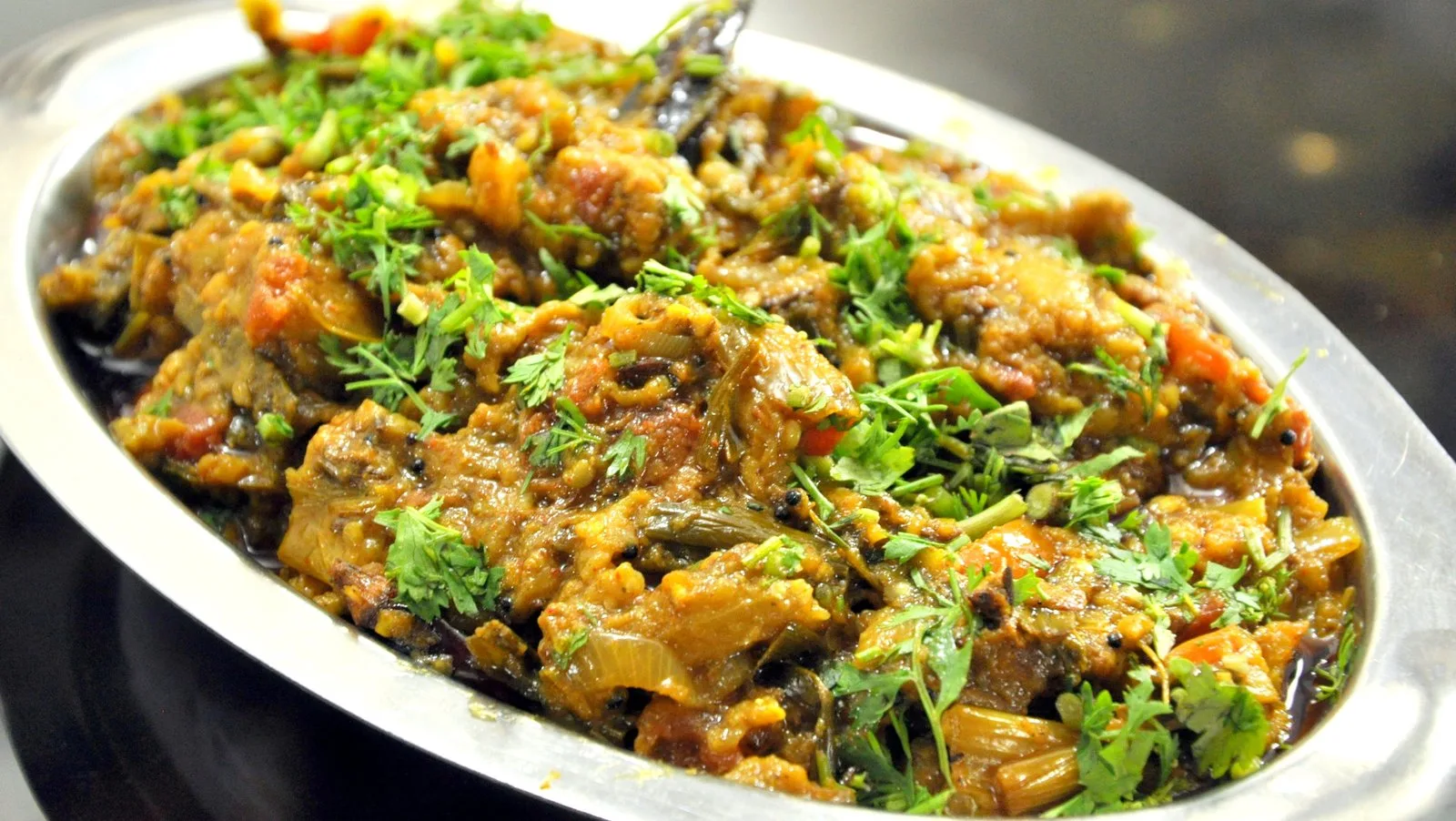
Photo: Dheerajk88 / CC BY-SA 4.0
Baingan Bharta vs Begun Bhorta vs Mutabbal
You burn an eggplant over a flame until the kitchen smells like a campfire, and what you do next decides which country's dish you are making. Baingan bharta vs begun bhorta vs mutabbal is really one technique and three finishing moves. If you cook for a mixed table, learning the difference lets you make all three from one tray of eggplants.
If you are mainly after the names, this guide to brinjal, baingan, aubergine and eggplant covers the vocabulary. This post is about the dishes.
The shared step: char the skin
All three of our recipes begin the same way. Prick the eggplant with a fork so it does not burst. Roast it directly over an open flame or under a hot grill, turning often, until the skin is blackened and the flesh is completely soft. Cool it slightly, peel off the skin and mash the flesh.
That blackened skin is where the smoky flavour comes from. An eggplant baked at low heat in an oven gives you soft flesh, but much less smoke. If you only have an electric stove, use the grill on high, or char it briefly on a pan on the highest heat and finish in the oven.
Two practical points. Drain the mashed flesh in a sieve for a few minutes if a lot of liquid collects; watery bharta is a common complaint. And do not rinse the flesh after peeling, because you wash the smoke away.
Baingan bharta: cooked, spiced, North Indian style
Our baingan bharta uses 1 large eggplant (about 500 g, 1.1 lb), 3 tablespoons oil, 1 onion, 1 teaspoon each ginger and garlic, 2 tomatoes, turmeric, red chilli, salt, 2 green chillies and coriander.
The mash goes into a pan after the onion has turned golden, the ginger-garlic paste has cooked for a minute and the tomato has broken down. It cooks 8 minutes with salt, stirring well. This is a hot, saucy dish, eaten with roti or paratha.
Begun bhorta: raw, sharp, mustard oil
Begun bhorta is Bangladeshi and Bengali, and it skips the pan. The mash is mixed straight with chopped raw onion, garlic and green chilli, plus coriander, salt and 2 tablespoons of mustard oil. It is served at room temperature with hot rice and dal.
The mustard oil is the whole point. Raw mustard oil has a sharp, nose-clearing bite, and that is what the dish tastes of. If you cannot get it, another oil will make a milder dish, which is fine but a different one. Use it by the spoon, not the cup; the recipe asks for two tablespoons for one eggplant. For more on this style of mash, see bhorta at home.
Mutabbal: smooth, tahini, mezze table
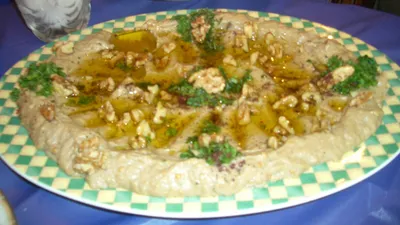
Mutabbal (often sold as baba ghanoush, though the two names are used loosely) uses 2 eggplants, 3 tablespoons tahini, 2 cloves garlic, the juice of 1 lemon, 2 tablespoons olive oil, 2 tablespoons yogurt and about 1 teaspoon pomegranate molasses.
Mash well, mix in the tahini, garlic, lemon, yogurt and salt, then spread on a plate and drizzle with olive oil and molasses. It is served with bread as part of a mezze spread, alongside hummus; see mezze night at home for the whole table. Some cooks keep the chunks, others whip it smooth; both are common.
Side by side
| Baingan bharta | Begun bhorta | Mutabbal | |
|---|---|---|---|
| Cooked after mashing? | Yes, about 8 minutes in a pan | No | No |
| Fat | Oil, 3 tablespoons | Mustard oil, 2 tablespoons | Tahini and olive oil |
| Sour element | Tomato | None, just heat and mustard | Lemon, yogurt, pomegranate molasses |
| Served | Hot | Room temperature | Room temperature or cold |
| With | Roti, paratha | Rice and dal | Pita or flatbread |
How to make all three from one tray
Char 4 eggplants together. Mash them and divide into three bowls.
- Bowl one goes into the bharta pan with the fried onion and tomato.
- Bowl two takes raw onion, garlic, chilli and mustard oil.
- Bowl three gets tahini, lemon, garlic and yogurt.
Each bowl is a different dinner side, and the work you did once, the char, carries across all of them.
Mistakes to avoid
- Skipping the fork prick. A pierced skin lets steam out; a sealed one can burst.
- Peeling too early. Let the eggplant cool a little so you do not burn your fingers, but do not let it go cold; the skin comes off easier warm.
- Leaving bitter, undercooked flesh. The flesh should be completely soft, almost collapsing, before you take it off the heat.
- Adding salt to the bhorta too early; raw onion draws water out. Add it right before serving.
Choosing the eggplant. Pick eggplants that feel heavy for their size with tight, shiny skin and a fresh green cap. For the roasted dishes, a large round eggplant gives more flesh than a long thin one, and fewer seeds are a bonus. Our bharta recipe uses one large eggplant of about 500 g (1.1 lb), which is enough for four people as a side. Smaller Asian or Italian eggplants char faster, so watch them closely and turn them often. If one feels light and spongy, it is usually old; the flesh can taste bitter and watery.
Storage
All three keep covered in the fridge for about 2 days. The mutabbal separates a little; stir before serving. Reheat the bharta until steaming hot.
Try this on Degchi: add eggplant, onion and garlic to your pantry list and see which of the three your shelf can already support.
Recipes with yogurt Recipes with rice Recipes with tomatoes Recipes with onions
Related recipes
Related posts
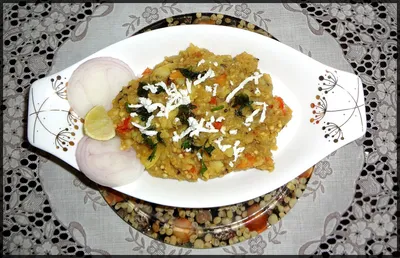
Baingan Bharta Smoky on an Electric Stove or Oven
The smoke is the whole point of baingan bharta, and it comes from charring the skin. How to get close with an electric hob, a broiler or a barbecue.
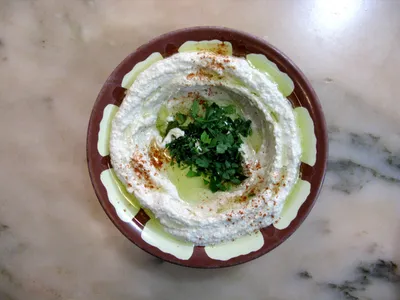
Bhorta at Home: Aloo, Begun and Dim, Three Ways
Bhorta is mash plus raw mustard oil plus something sharp. Three versions from our recipe library, the order to mix them in, and the mistakes that make them taste flat.
Brinjal, Baingan, Aubergine, Eggplant: Names and Dishes
Four names, one purple vegetable. A guide to brinjal, baingan, aubergine and eggplant, the dishes behind each name and the shapes to choose at the supermarket.