 Degchi
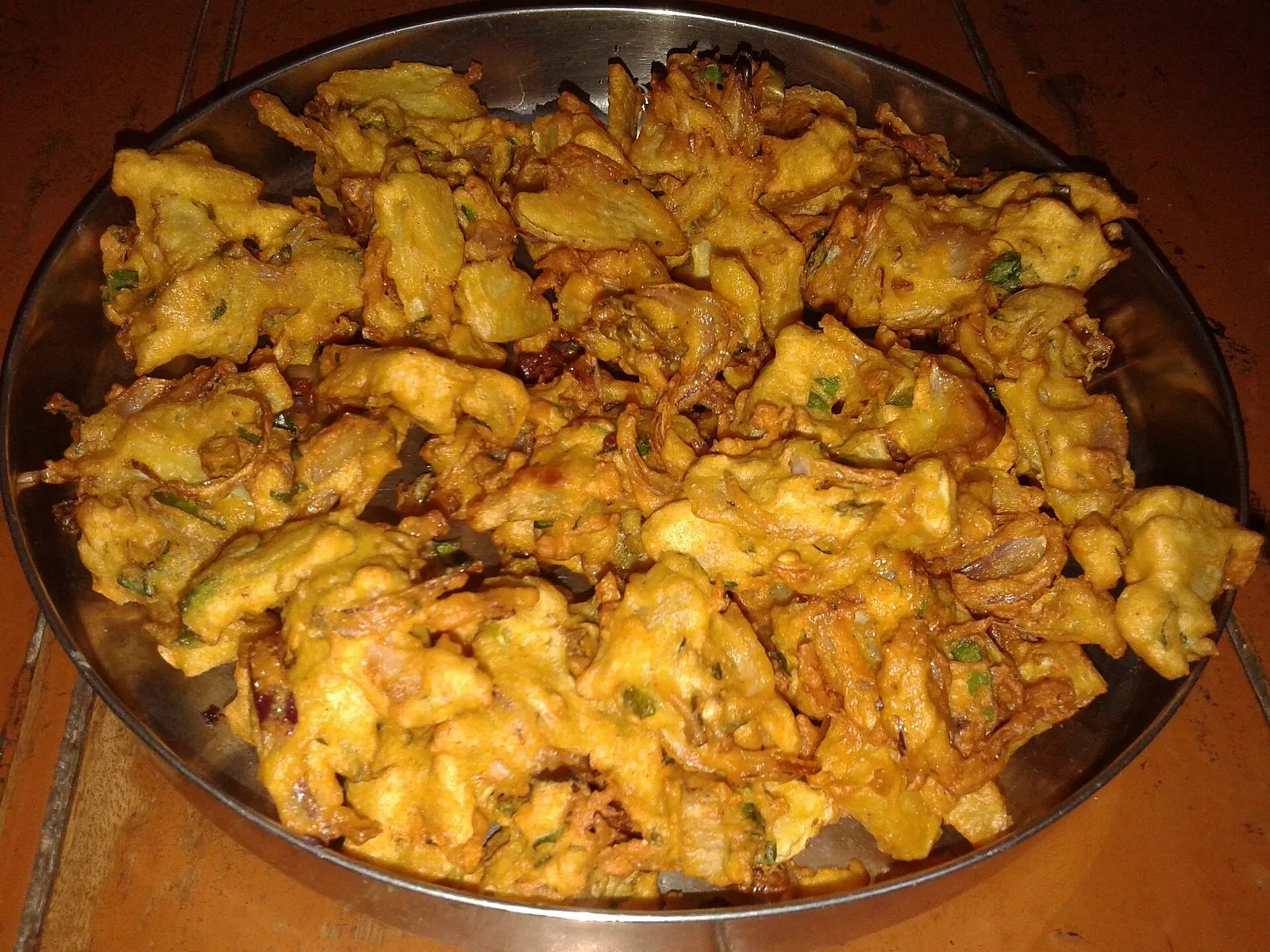
Photo: Harmeet / CC BY-SA 4.0
Can You Reuse Frying Oil? Pakora, Fish and Samosa Rules
You just fried a batch of pakoray and there are 500 ml (about 2 cups) of oil left in the pan, a bit cloudy, speckled with burnt besan. Pour it away and you have thrown out a few dollars. Keep it and you may be putting off a bad batch of fish next week. Can you reuse frying oil? Mostly yes, for a while, if you handle it right. Here is what to do, with the caveat that no source gives one magic number of uses.
Why oil gets worse each time
Frying breaks oil down. Food bits stay in it and burn, water from the food gets in, and every minute at high heat changes the oil a little. The result is darker oil that smokes at a lower temperature, foams more and tastes stale. Fish, spiced batter and garlic leave the most behind.
<!-- VERIFY: general frying-oil degradation (smoke point drops, foaming, darkening) is standard food-science teaching but no source was opened for this post. -->
What our recipes put through the pan
The quantities in the recipe library show how much oil is involved:
- Pakoray: 500 ml of oil, about 3 minutes to heat, then around 10 minutes of frying in batches.
- Fish fry: 500 ml, about 8 minutes on the first side and 5 on the second, coated only in gram flour.
- Shingara: around 2 cups (about 475 ml), 10 minutes on medium heat, because the thicker pastry needs a gentler pan.
- Chicken 65: 500 ml, in small batches so the oil stays hot.
Plain pakoray and shingara are fairly clean frying jobs. Fish and marinated chicken are not.
The reuse routine, step by step
- Let it cool. Never filter hot oil. Wait until it is warm to the touch or cooler; this can take an hour or more.
- Strain. Use a fine sieve lined with a clean cloth or a coffee filter, over a clean jar or bowl. Crumbs left in the oil burn next time.
- Store it sealed. Airtight, in a cool, dark place. The fridge is an option, though cold oil turns cloudy and that clears when it warms.
- Label what you fried. A strip of tape saying "veg" or "fish" is enough.
- Top up with fresh oil when you reuse it, rather than topping up forever without ever replacing it.
<!-- VERIFY: cooling/straining/storing routine is common kitchen practice, not from a cited source. -->
Keep fish oil separate
Oil that fried fish carries the smell into everything after. If you only have one pot, make a rule: sweet items such as luqaimat or jalebi first (if you ever fry them in the same oil), vegetables and pakoray next, fish last. Then treat the fish oil as a one-time, or maybe two-time, oil. Our fish fry recipe uses a gram flour coating, which burns easily, so strain particularly well.
How many times is too many?
Nobody can give you a fixed count, because it depends on temperature, what you fried and how well you strained. A practical rule for a home kitchen: reuse clean vegetable-frying oil a few times, and stop the moment any of these signs appear.
- It is dark brown, not golden.
- It smokes well before it reaches a normal frying temperature.
- It foams up when food goes in and the foam does not settle.
- It smells fishy, sharp or like old paint.
- It feels sticky or syrupy on the spoon.
Our rancid oil post has a longer smell-and-taste test for stored oil, which also applies to a jar of used oil sitting in the cupboard.
<!-- VERIFY: "a few times" is a rule of thumb, not a published limit. Kept deliberately vague. -->
Temperature: the part that saves your oil
Overheated oil ages quickly. The recipes say "hot but not smoking" for a reason. If a pinch of batter sinks and rises slowly with a lazy fizz, the oil is ready; if it shoots up at once and browns in seconds, turn the heat down. Frying in small batches, as the chicken 65 recipe advises, keeps the temperature from collapsing, which matters for crispness and for how much oil each piece soaks up.
A thermometer takes the guessing out. Our kitchen thermometer guide covers the cheap probe type. For frying, many cooks aim for roughly 170 to 180 C (340 to 355 F) for pakoray-style frying.
<!-- VERIFY: 170-180 C (340-355 F) is a commonly quoted pakora/fritter oil range, no source was checked. -->
And when you finish the batch, the poultry rule still applies
If you fry chicken, whether for chicken 65 or tikka bites, the pieces should reach 74 C (165 F) inside. Do not judge by golden colour alone; a hot-looking crust can hide a pink centre.
What to do with oil you will not reuse
- Let it cool completely.
- Pour into a sealable container, such as an old jar or tin.
- Put it in the bin, or take it to a local oil-recycling point if one exists.
- Never down the sink. It sets in pipes.
A quick decision sheet
| Oil looks like | Do this |
|---|---|
| Golden, clear, no smell, fried veg | Strain, store, reuse |
| Cloudy, slight smell, fried fish | Use once more for fish only, then bin |
| Dark, smoking early, foams | Bin |
| Sticky, sharp smell | Bin, no tasting |
If you are planning a pakora night, Degchi can show whether your pantry already has besan, onion, potato and ajwain before you start heating the pan.
Recipes with potatoes Recipes with flour Recipes with onions
Related recipes
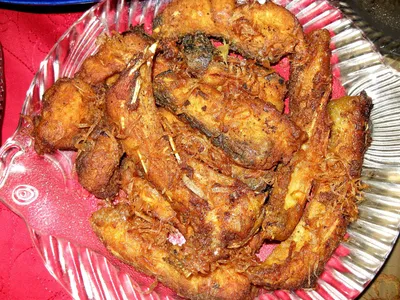
Related posts
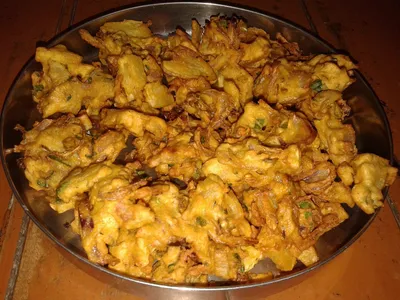
Pakora Recipe Crispy, Not Oily: Batter and Oil Guide
Pakoras go limp or greasy for two reasons, a thin batter and oil that is too cool. Here is how to get both right.
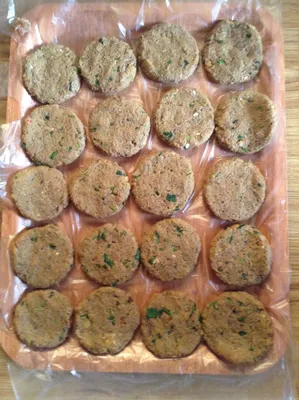
Dhungar Smoke at Home: Charcoal Trick for Kababs and Curries
A hot charcoal piece, a drop of ghee and a lid: that is dhungar. Here is how to smoke shami kababs and gravies at home for 2 to 5 minutes, and how to do it safely.
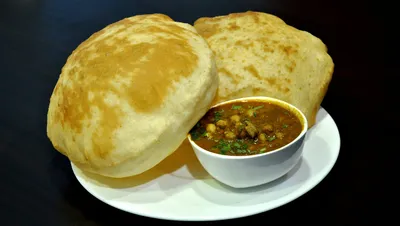
Chole Bhature Recipe: Dark Chole, Puffed Bhature
Bhature that stay flat are usually an oil-heat or rolling problem, and pale chole is a colour trick away from fixed. Both, with real amounts.
Why Won't My Puris Puff? Flat and Oily Puri Fixes
A good puri balloons in seconds. A bad one sinks and drinks oil. Dough firmness, oil heat and rolling thickness are the three things to check.