 Degchi
Do You Need a Kitchen Thermometer for Desi Cooking?
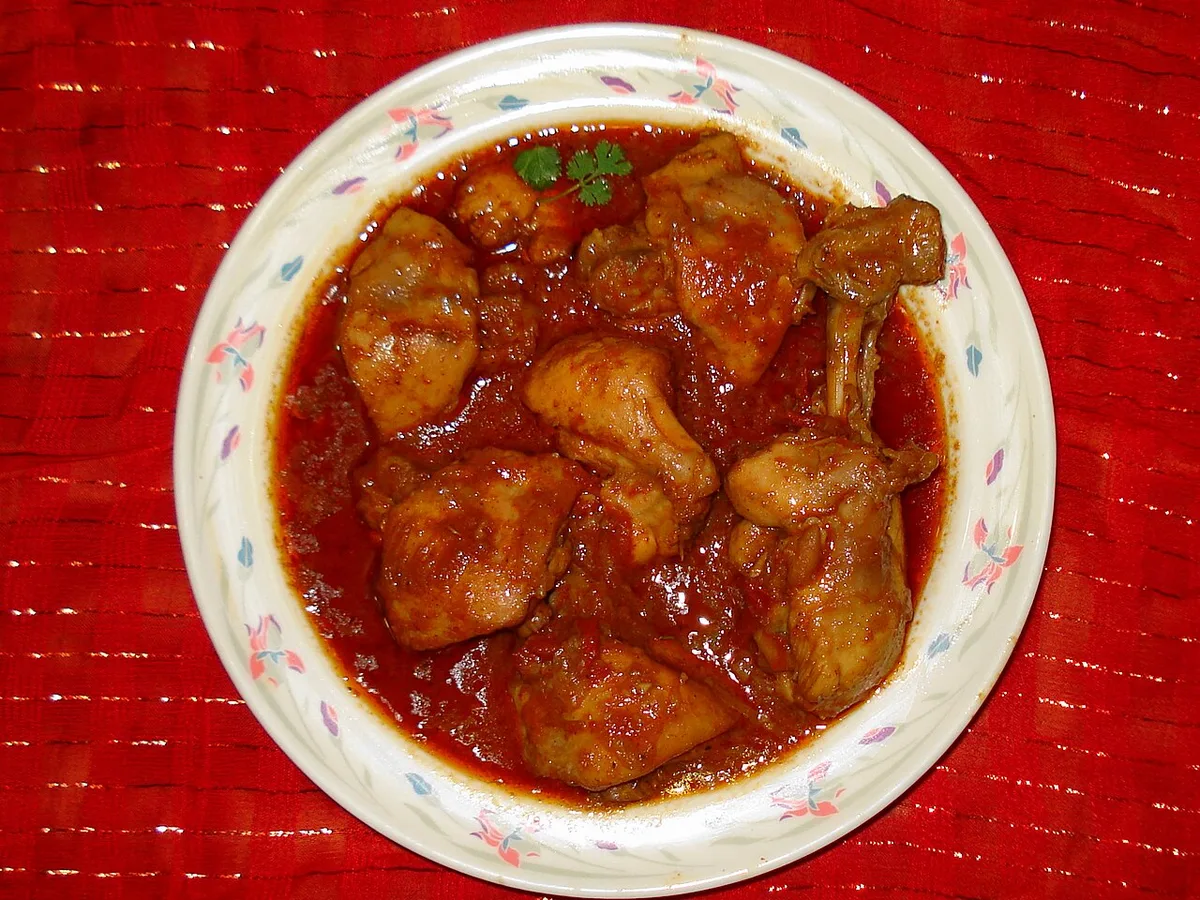
The curry looks done. The gravy has separated, the oil is on top, the smell is right. You cut a thick piece of chicken near the bone and it is still pink. Desi cooking trains your eyes and nose, but gravy hides what is going on inside the meat. A kitchen thermometer is the cheapest way to end the doubt.
You do not need an expensive one. A basic digital probe is enough. Here is where it helps in a desi kitchen, where to put it, and which numbers to use.
The two numbers that matter
For safety, this site uses the standard guidance everywhere:
- Poultry: 74 C (165 F) at the thickest part.
- Minced meat (keema, kebabs, kofta): 71 C (160 F).
Whole cuts of beef and mutton are tenderness matters more than a single number, so a probe helps there as a pointer rather than a rule: if the meat reaches a safe temperature but still pulls hard from the bone, it needs more simmer time, not more heat.
If you cook for children, older relatives or anyone pregnant or unwell, the thermometer removes any argument about whether a piece is done.
Where to probe
Thermometers lie when you place them badly.
- Chicken pieces on the bone: insert into the thickest part of the thigh or breast, without touching the bone. Bone reads hotter than the meat around it.
- Chicken in gravy such as chicken salan or karahi: lift one thick piece out of the gravy with a spoon and probe it on a plate. A reading in the sauce tells you the sauce is hot, not the chicken.
- Kebabs: push the probe into the centre sideways, through the side of a patty. Seekh kabab is thin, so slide the tip along its length rather than stabbing from the top. Shami kabab patties are thicker and denser; check one per batch.
- Biryani: probe the chicken layer, not the rice. Rice cooks by steam and timing.
Wait for the reading to settle for a couple of seconds before you decide.
Which thermometer to buy
| Type | Good for | Skip if |
|---|---|---|
| Instant-read digital | Chicken, kebabs, leftovers | You mostly cook daal and sabzi |
| Leave-in probe with alarm | Oven roasts and tandoori chicken | You have a small oven |
| Infrared surface gun | Checking tawa or oil surface heat | You want internal meat temperature (it cannot) |
For most households, the instant-read digital is the one. Look for a thin tip, because thick probes leave large holes in a small kebab. Check the manual for how to calibrate it: a common method is a glass of crushed ice and a little water, which should read about 0 C (32 F). If yours is off by a couple of degrees, remember to adjust.
Rice and leftovers
A thermometer is also useful for leftovers. Cooked rice should be cooled within about an hour and kept in the fridge for no more than one day, and leftovers should be reheated until steaming hot all the way through. A probe reading around 74 C (165 F) in the centre of reheated rice or daal is a simple confirmation. You can read more about the habit in cooling and reheating rice and daal safely.
For biryani that has sat on the table at a party, the thermometer also tells you whether the pot stayed hot while serving. If it fell well below hot while people took seconds, put the leftovers away promptly rather than leaving them out.
Where it does not help
A thermometer will not rescue a dish with poor technique. It cannot tell you whether your onions are properly browned, whether a daal is soft or whether your masala is raw. Keep using your senses for those. Use the probe where safety is the question: poultry, mince and reheated food.
It also should not replace tenderness checks for tough cuts. Mutton is safe long before it is tender. Give it time and check by tasting a piece.
Keeping it clean
Wash the probe tip with hot soapy water after each use, and especially between raw and cooked checks. If you probe raw chicken and then probe the finished curry with the same unwashed tip, you have defeated the purpose. A wipe with a clean damp cloth is not enough. Keep one small sleeve or cap on the tip and store it in a drawer where the tip will not bend.
Do not leave a standard instant-read thermometer in an oven or on a hot stove unless it is specifically rated for that.
A checklist for your next chicken dinner
- Take the pan off the heat before you probe so you do not burn your fingers.
- Probe the thickest piece, away from the bone.
- Aim for 74 C (165 F). If it is lower, return to heat for a few more minutes and probe again.
- For mince patties, aim for 71 C (160 F).
- Wash the probe, then serve.
Degchi's recipe pages list the safe temperatures in the cook mode steps, so you do not have to remember the numbers; the app is at degchi.matrixinn.net/#try if you want to try the pantry planner. And if you still wonder whether a cheap thermometer is worth the space, put it next to the masala dabba. It will pay for itself the first time it stops you serving underdone chicken.
Related recipes
Related posts
Ghee, Makhan, Butter and Desi Ghee: What the Labels Mean
Makhan is butter. Ghee is cooked-down butter. Desi ghee is a marketing phrase. And vegetable ghee is not dairy at all. Here is how to read the jar.
Eid Dawat Menu for 10 People: Quantities and a Cooking Plan
A realistic Eid dawat menu for 10 guests, with every quantity scaled from our recipe pages and a two-day timeline that keeps the host out of the kitchen when the doorbell rings.
What Can I Cook With Okra (Bhindi)? One Reliable Dish and What to Serve With It
Our library has exactly one okra recipe, bhindi masala, so this post goes deep on it: the dry-and-fry method that avoids slime, storage, and what to put on the plate beside it.
Cooking Desi Food in a Small Apartment: Smells, Smoke and Ventilation Without the Stress
Tempering spices in a tiny kitchen can set off alarms and leave the smell in your curtains. A few habits keep the cooking and the peace.