 Degchi
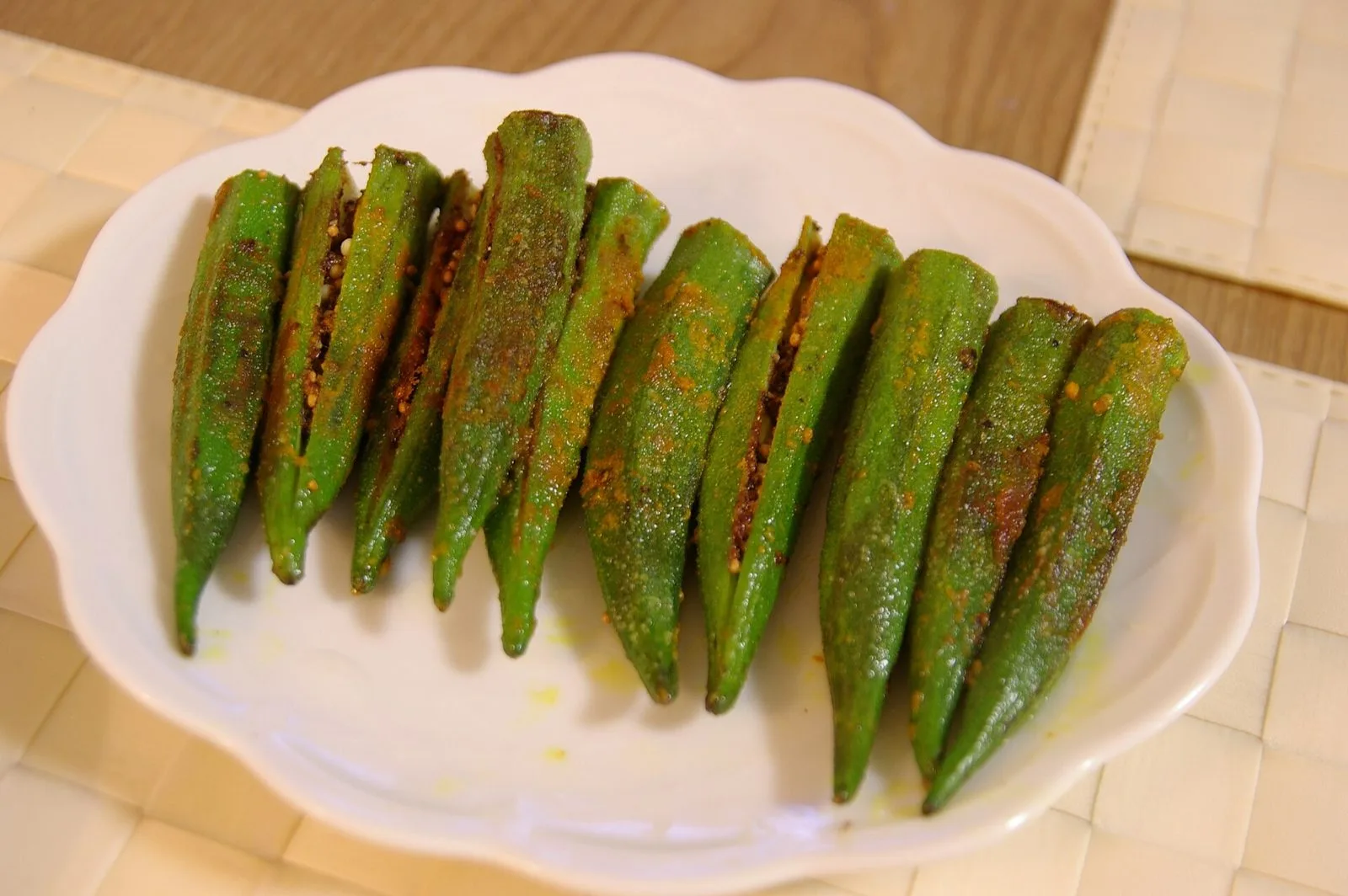
What Can I Cook With Okra (Bhindi)? One Reliable Dish and What to Serve With It
An honest note first
Most "what can I cook with" lists pad the count. We will not. Our recipe library has one okra dish, bhindi masala, and we think it is the right one: a dry, spiced okra that is not slimy. So this post is a deeper look at that dish, how to buy and store okra, and which of our other recipes make a full meal around it.
If you want a longer list of ideas for a different ingredient, our other posts in this series have one.
Why okra goes slimy
Okra contains a gel-like substance (mucilage). It is released when the pods are cut and wet, and it thickens into the stringy texture many people dislike. Gumbo and some curries use it on purpose, as a thickener. For a dry dish, the aim is the opposite: keep water away from the cut surface and cook it long enough that it browns.
The three rules in our recipe are all about that:
- Wash it, then pat it completely dry, before you trim and chop. The tip on our card says to make sure it is bone dry before cutting and frying, because any moisture makes it sticky.
- Fry the okra separately, in oil on medium heat, turning now and then, for about 10 minutes until lightly crisp, and then take it out.
- Add it back at the end, into a finished onion and tomato masala, and mix gently so it does not break.
The description on the recipe puts it simply: frying the okra separately first keeps it from turning slimy.
The dish: bhindi masala
For 4 servings, you need 500 g (1.1 lb) of okra, an onion, a tomato, 1 teaspoon each of ginger and garlic (as paste), half a teaspoon of turmeric, 1 teaspoon of red chilli powder, salt, and 5 tablespoons of oil. Prep is 15 minutes, cooking is 25, and the card marks it Easy.
- Dry and chop the okra. Trim the ends and cut it into pieces.
- Fry it, 10 minutes, on medium heat in the oil until lightly crisp. Lift it out and set it aside.
- Fry the sliced onion, about 5 minutes, until golden, in the same oil.
- Add ginger-garlic paste, chopped tomato and the spices, and cook about 5 minutes until the masala thickens and the oil separates.
- Return the okra, mix gently, and cook briefly on low heat.
- Finish with a splash of lemon juice. The recipe suggests it to cut through the richness. Serve hot.
Five tablespoons of oil sounds like a lot. Most of it is for the first fry, which is what stops the sliminess. If you want to use less, we have not tested an oven or air-fryer version, so we cannot tell you how close it would be.
Buying and storing okra
- Choose small to medium pods that are bright green and snap when bent. Large, tough pods and ones with dark, dried tips tend to be woody. This is common cooking advice, not something we measured.
- Do not wash until you are ready to cook. Wet okra spoils faster and turns slimy.
- Store it unwashed in the fridge in a paper bag or a loosely closed container lined with a paper towel, and use it within a few days. Plastic bags trap moisture.
- Freezing: Okra can be frozen. The standard method is to blanch whole pods briefly, cool them, dry them and freeze them in a bag. Frozen okra works in a masala, but it will not fry up crisp.
- Leftover bhindi masala: refrigerate within 2 hours and eat within three to four days. It reheats well in a pan, which also helps bring back some texture. Microwaving makes it softer.
What to serve with bhindi masala
The recipe says it pairs perfectly with roti and plain rice. These are complete plates you can build from our other recipes.
- With tandoori roti: 300 g (2.5 cups) of whole-wheat flour makes the dough, which rests 20 minutes. Roll the rounds slightly thicker than ordinary roti and cook them on a very hot tawa. About 35 minutes. The dry okra suits scooping up in bread.
- With daal chawal: red lentils with a cumin tarka and boiled rice, 45 minutes. A dry vegetable beside a wet daal gives the plate two textures.
- With khichdi: soft rice and split mung beans, about 40 minutes, with a little yogurt on the side. Khichdi is plain, so the spiced okra gives the plate contrast.
- With matar pulao: if you want a rice dish with some structure, about 55 minutes. Serve with raita.
If you cook the daal and the okra at the same time, start the lentils first. They need about 20 minutes of simmering, while the okra's fry-and-masala routine takes about 25 minutes of attention.
Swaps
- Frozen okra for fresh: the wetness can make it sticky. Do not thaw it. Fry it straight from frozen, in a hot pan and in smaller batches, and expect a softer result than fresh.
- No tomato? We have not tested it. A little lemon juice at the end gives some of the sourness.
- Add something? Some cooks add potato or a pinch of amchur (dry mango powder). Neither is in our recipe, so we cannot vouch for the quantities.
Cook it with Degchi
If okra, onion and tomato are in your Degchi pantry, bhindi masala shows as a dish you can cook today. The recipe page marks each ingredient Have or Out and has a timer for each step. The app is free and in closed beta; join the beta if you would like to try it.
Questions
How do I stop okra being slimy? Dry the pods thoroughly before cutting, fry them separately before they go into the masala, and do not cover the pan while they fry. Steam encourages slime.
Can I use frozen okra? Yes, but fry it from frozen and expect a softer texture.
Is the slime harmful? No. It is a natural fibre that makes the okra thick. Many cuisines like it.
Can I make bhindi masala ahead? It is best fresh, but it keeps three to four days in the fridge. Reheat it in a pan.
Related recipes
Related posts

What to Cook Today With What's in Your Fridge
You don't need a grocery run to make dinner. Here's a repeatable method for turning whatever is already in your fridge and pantry into a real meal — plus four recipes to get you started tonight.
What Can I Cook With What I Have? A Five-Minute Pantry Method
You probably have a dinner in your kitchen already. Here is the five-minute method we use to find it, with real examples from South Asian home cooking.
What Can I Cook With Rice? 9 Meals Beyond Plain Boiled
A bag of rice can be fried rice, pulao, khichdi, lemon rice or a cold curd rice. Nine dishes from real recipes, plus the cooked-rice safety rules most people never hear.

What Can I Cook With Yogurt? 9 Drinks, Curries and Sweets From Our Recipes
Yogurt (dahi) is a drink, a marinade, a curry base and a dessert starter. Nine dishes from our recipes, how to keep it from splitting, and how long it lasts.