 Degchi
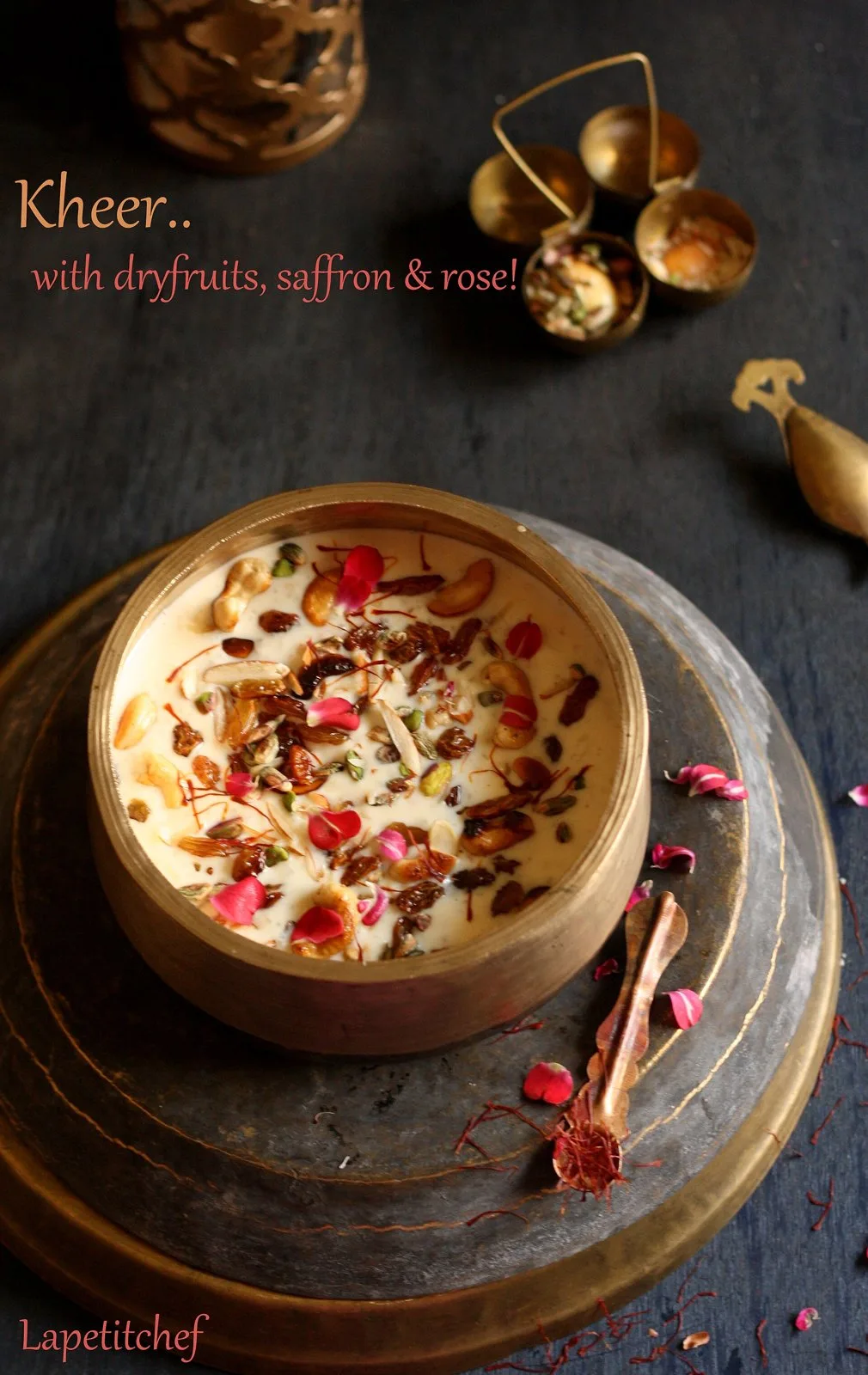
Photo: Swayampurna / CC BY-SA 4.0
Ghee, Makhan, Butter and Desi Ghee: What the Labels Mean
The jar says "pure desi ghee". The tin next to it says "vanaspati". A third tub says "clarified butter". The recipe wants "2 tbsp ghee". Are they all the same thing?
They are not, and one of them is not dairy at all. Here is a plain guide to the names, and what you are actually buying.
Makhan, butter, ghee: three different things
- Makhan is the Hindi and Urdu word for butter, the fresh kind. In some homes it specifically means white, unsalted butter churned from cream or from dahi, often served on paratha.
- Butter is the Western product, which is cream churned until the fat separates, usually 80 percent fat or so, with water and milk solids in the rest. Salted or unsalted.
- Ghee is butter cooked slowly until the water boils off and the milk solids brown, then strained. What is left is almost pure fat.
Because the water and most milk solids are gone, ghee has a higher smoke point than butter, and it keeps longer without refrigeration. It also has a nutty, toasted smell that butter lacks.
Clarified butter vs ghee
Western cooks use "clarified butter" for butter with the milk solids removed. The usual method melts butter gently and skims or pours off the solids without browning them. Ghee, in the South Asian style, goes a step further, cooking until the solids toast, which gives it a deeper aroma. The two names overlap on shop labels, and some brands use them for the same product. If the label says "clarified butter" on a jar in an Indian grocery, it is very likely ghee. In a general supermarket, check the ingredients and the colour: richer yellow and nutty usually means ghee-style.
What "desi ghee" means
Desi means "of the home country", so "desi ghee" suggests traditional ghee. It is a marketing phrase rather than a legal standard in most places. Some desi ghee is made from cow's milk, some from buffalo milk, which is whiter and has a different taste. Some is made by cooking cultured butter, which gives a tangier smell. A label that says "desi" does not guarantee any of these, so check the ingredient list. It should say butter or milk fat, and nothing else.
Vegetable ghee, vanaspati, and "dalda"
This is the one to be careful with. Vegetable ghee or vanaspati is a hydrogenated or processed vegetable fat, set to look like ghee. It contains no dairy. It is sold in tins and is cheaper, and some brand names became shorthand for it. Check the ingredients: if it says vegetable oil or palm oil and not butter, it is a different product.
Depending on the brand and country, vegetable fats like this may contain trans fats, so read the nutrition label if that matters to you. Do not buy it when a recipe asks for dairy ghee, such as for kheer or a rich dish for a guest, unless you have a reason.
It is also worth knowing if anyone at your table avoids dairy. Vegetable ghee is dairy-free; dairy ghee is not, although it has very little lactose, and some people who avoid milk still tolerate it. Ask them instead of assuming.
Quick comparison
| Product | Made from | Water | Flavour | Smoke point |
|---|---|---|---|---|
| Butter | Cream | About 16 to 18 percent | Creamy, mild | Lower, burns faster |
| Makhan | Cream or dahi | Often more than shop butter | Fresh, mild | Low |
| Ghee / desi ghee | Butter, cooked down | Almost none | Nutty | Higher |
| Clarified butter | Butter, solids removed | Almost none | Neutral to nutty | Higher |
| Vegetable ghee / vanaspati | Vegetable fat | None | Neutral, artificial | Varies |
Percentages and smoke points are approximate and differ by brand.
When to use which
- Tadka and frying. Ghee. Its higher smoke point makes it suitable for a hot tadka in dal tadka. For more on tempering, read what is tadka.
- Parathas. Ghee on the tawa gives a crisp, aromatic result. Brushing a little on aloo paratha at the end is common. Makhan on top while hot is a classic, but it is a topping rather than a cooking fat.
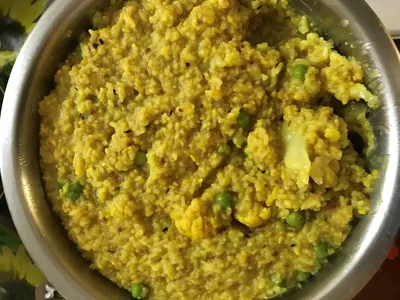
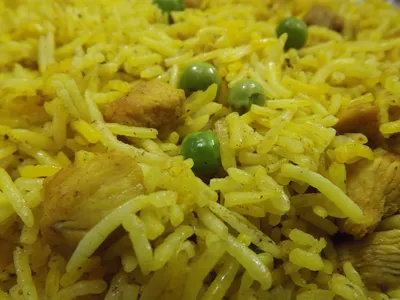
- Rice dishes. A spoon of ghee finishes khichdi and chicken pulao in many households.
- Baking and sweet dishes. Butter or ghee both work, but they change taste.
For a longer comparison with cooking oil, see ghee vs oil.
Swapping them
- Ghee for butter: use about the same weight, a little less since there is no water. Start with 80 to 85 percent of the butter amount and adjust.
- Butter for ghee: it will work for gentle cooking but burns in a hot tadka. Cook on lower heat.
- Oil for ghee: use the same volume, and add a small knob of butter at the end if you want the taste.
- Vegetable ghee for dairy ghee: works for cooking, but flavour will differ.
Buying and storing
Check the label for: ingredients (butter or milk fat only), a sell-by date, and the jar's seal. Store ghee in a clean, dry jar away from heat and light. Always use a dry spoon, since water can spoil it. Refrigeration is not required for most homemade ghee in a cool kitchen, but many people refrigerate it in hot climates. If it smells sour, looks mouldy or has any off smell, discard it.
A 500 g jar is about 550 ml, since ghee is a little lighter than water. One tablespoon is roughly 14 g, though you can treat it as 15 ml in recipes.
You can add ghee to your list in the pantry sandbox and see which dishes it covers.
Related recipes
Related posts
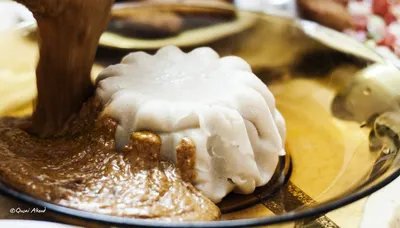
Aseeda: Smooth Gulf Flour Porridge Without Lumps
Aseeda is flour, water, salt and a well of ghee and sweetness. It takes 15 minutes. Lumps, thin texture and a scorched pot are the three things that go wrong, and each has a fix.
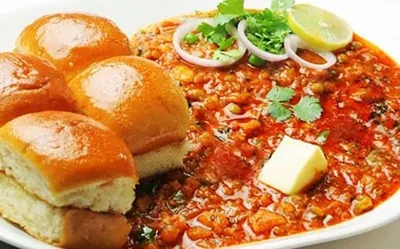
Pav Bhaji Recipe at Home: Mash, Butter, Toasted Pav
Good pav bhaji is a mashing, butter and timing job, not a long ingredient list. The method from our recipe, plus what outside cooks say about colour and toasting.

Ghee vs Oil: What to Use for Everyday Desi Cooking
You do not have to pick a side. Learn which dishes shine with ghee, which are better with oil, and how to keep both without waste.