 Degchi
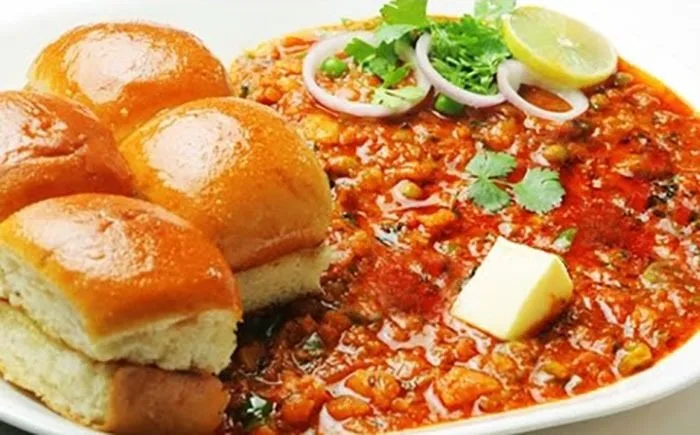
Pav Bhaji Recipe at Home: Mash, Butter, Toasted Pav
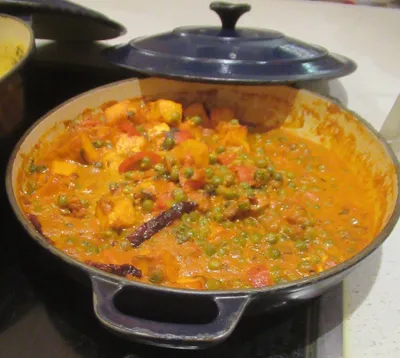
Pav bhaji arrives on a street stall as a loud pan of orange mash with a slab of butter melting on top, and at home it often turns into watery vegetable stew with dry bread beside it. This pav bhaji recipe sticks to what separates the two: how hard you mash, how much butter you accept, and when you stop adding water.
Pav bhaji recipe: what goes in the pan
Our Pav Bhaji recipe takes 45 minutes (15 prep, 30 cooking) and is rated Easy. For four people, it uses:
| Ingredient | Metric | US |
|---|---|---|
| Potatoes, boiled and mashed | 4 | 4 |
| Peas | 100 g | 0.7 cup |
| Tomatoes, finely chopped | 4 | 4 |
| Onions, finely chopped (some kept for garnish) | 3 | 3 |
| Ginger paste and garlic paste | 1 tbsp each | 1 tbsp each |
| Red chilli powder | 2 tsp | 2 tsp |
| Turmeric | 0.5 tsp | 0.5 tsp |
| Chaat masala | 2 tsp | 2 tsp |
| Butter | 4 tbsp | 4 tbsp |
| Pav (bread rolls) | 8 | 8 |
Optional: 1 carrot (boiled and mashed), 1 finely chopped bell pepper and a lemon cut into wedges. Check our conversion guide if your measuring cups differ.
Notice what is missing: our recipe has no separate pav bhaji masala, only chaat masala. Outside cooks we read treat a fresh pav bhaji spice blend as important, so if you have one in the cupboard, a spoonful is a reasonable addition. Do not buy one just for this.
The order that matters
- Melt 2 tbsp of butter in a large flat pan and fry the onion until soft, about 5 minutes.
- Add the ginger-garlic paste for about a minute.
- Add the tomato, bell pepper, chilli powder and turmeric and cook about 8 minutes, until the tomato turns pulpy.
- Add the mashed potato, peas and carrot with a little water and "mash everything together while cooking", about 10 minutes.
- Add chaat masala and salt (1.5 tsp to taste) and simmer 5 more minutes, adding water until the bhaji is thick and spreadable.
That is the whole bhaji. The hard work is in step 4.
Mash, then decide how smooth
Our recipe mashes in the pan as it cooks. An outside recipe we opened mashes the base with a potato masher, adds a measured amount of water, mashes again, and says the bhaji should be "smooth" but still slightly chunky; it also allows an immersion blender. A masher in the pan is what our recipe uses; the blender is an outside shortcut.
Aim for a texture that sits on the pav without running off. Our recipe says to add water until the bhaji is "thick, spreadable". Add it in small splashes, because you cannot take water back out. If it gets thin, simmer with the lid off for a few minutes.
Where the butter goes
The tip in our recipe is blunt: "A generous knob of butter both in the bhaji and on the toasted pav is what makes this street food taste so indulgent." In the recipe, 2 tbsp go in at the start, and the rest of the 4 tbsp go on the pav and on top of the finished bhaji. The outside recipe uses more still, with butter in the base, the spice step, the toasting and the topping, and says not to cut it back if you want street-stall flavour.
If you want less butter, trim the toasting butter before the butter that starts the bhaji; that is our own judgement, not a tested result.
Colour without food dye
Pav bhaji is usually red. Our recipe gets its colour from 2 tsp of red chilli powder and tomatoes alone. The outside recipe we read uses no artificial colour either: Kashmiri red chilli powder for colour, plus a little grated beetroot. We have not tested beetroot ourselves. If your chilli powder is very hot, a milder red variety gives colour without so much heat. Skip food dye, because it adds no flavour.
Toast the pav properly
Slit the pav buns and toast them on a griddle with butter until golden on both sides, about 3 minutes by our timer. The outside recipe adds pav bhaji masala and chopped coriander to the melted butter on the pan before toasting; that is optional for ours.
Serve the bhaji hot, topped with a cube of butter, chopped raw onion and coriander, with the toasted pav and lemon wedges on the side. Squeeze the lemon over the top at the table.
Make ahead.
The outside recipe says the bhaji base and the pav can be prepared in advance and finished at serving. We cannot give a storage time from a source, so follow normal leftovers practice: cool quickly, refrigerate promptly, and reheat until steaming hot. If the bhaji has thickened in the fridge, loosen it with a splash of water.
What else uses the same shelf
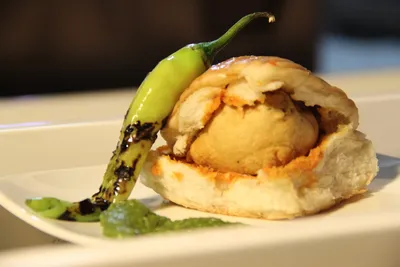
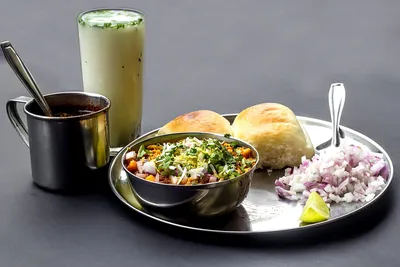
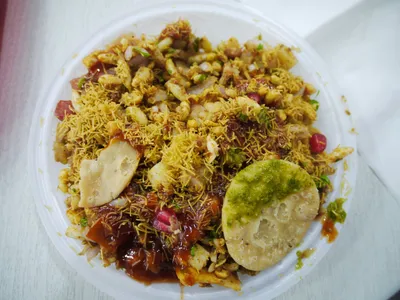
Several Mumbai street dishes share this shelf. Vada Pav uses the same bread, Misal Pav serves sprouted moth beans in a red gravy with pav, and Bhel Puri is the no-cook snack from the same city. For the rest of the family, see Bhel Puri at Home, and a Guide to the Chaat Family. To cook a bigger batch of base to freeze for other dinners, see The Make-Ahead Onion-Tomato Masala Base.
Shopping list for four
- 4 potatoes, 4 tomatoes, 3 onions, 1 bell pepper, 1 carrot
- 100 g (0.7 cup) peas
- 8 pav rolls
- ginger and garlic, chaat masala, chilli powder, turmeric
- 4 tbsp butter or more, coriander and a lemon
Degchi can compare that list with what you already have in the cupboard before you shop: try it here.
Related recipes
Related posts
Ghee, Makhan, Butter and Desi Ghee: What the Labels Mean
Makhan is butter. Ghee is cooked-down butter. Desi ghee is a marketing phrase. And vegetable ghee is not dairy at all. Here is how to read the jar.
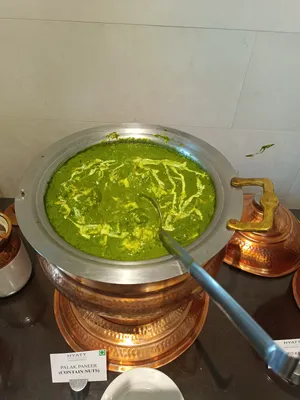
Palak Paneer Recipe That Stays Bright Green
Olive-brown palak paneer is a timing problem, not a recipe problem. Blanch, chill, blend, and add the paneer last. Full amounts and steps inside.

Chana Masala From Dried Chickpeas: Soak, Boil, Simmer
Dried chickpeas cost less and hold their shape better than you expect, but only if you plan the soak. Here are the times and amounts from our recipe, with the tinned shortcut.
What Can I Cook With Paneer? 8 Dishes, From a 25-Minute Bhurji to Malai Kofta
One block of paneer, eight dinners. Each dish comes from a real recipe with metric and US amounts, plus the soft-paneer tricks and storage rules that matter.