 Degchi
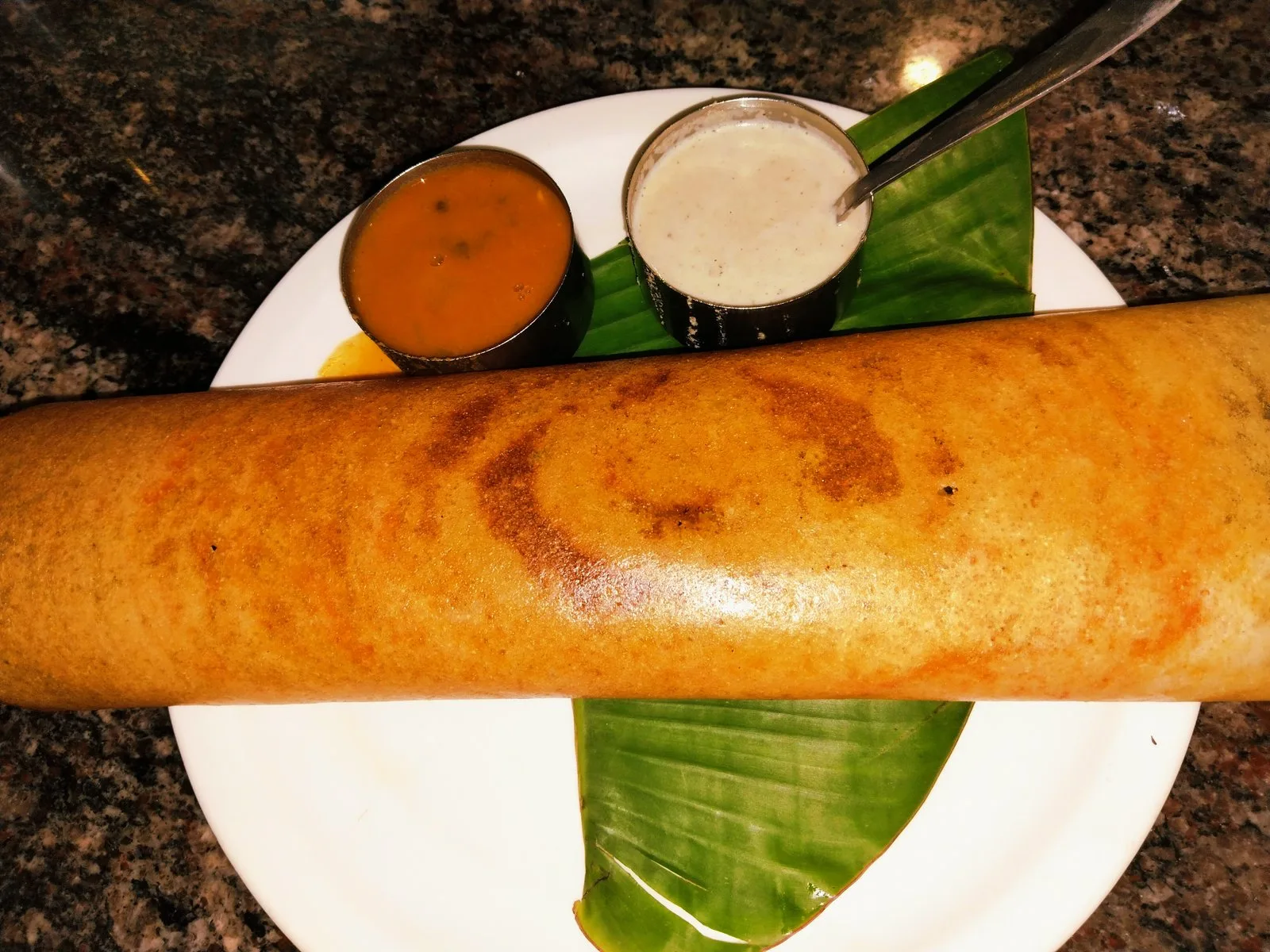
Photo: Yakshitha / CC BY-SA 4.0
Masala Dosa Recipe at Home: Crisp, Thin, No Sticking
The first dosa of the batch is the one that fights back: it grabs the pan, tears when you lift it, or comes out thick and pale instead of thin and gold. Almost every masala dosa recipe that goes wrong does so in two places, the batter and the heat of the pan. The potato filling is the easy part.
One batter, two jobs
Our Masala Dosa recipe uses 300 g (10.5 oz) of rice and 100 g (3.5 oz) of whole urad lentils, soaked separately for 6 hours, ground "each into a smooth batter", then combined and left to ferment overnight "until it rises and turns slightly sour". It adds 1.5 tsp of salt and 0.5 tsp of fenugreek seeds (optional).
Compare that with our Idli Sambar recipe: 250 g of rice to the same 100 g of urad, and a thick batter. Dosa batter has more rice and gets thinned for the pan, which is part of why it fries crisp rather than steaming soft. If your batter did not rise at all, our guide to why idli batter is not fermenting covers warmth, salt and water, and the same fixes apply here.
How thin should the batter be?
The sources we opened agree on the direction, not on a number. One cookware guide calls the ideal "smooth and flowing": too thick and it spreads badly and cooks unevenly, too thin and it can tear. A search result for another recipe says a medium-thick batter gives a softer dosa, and a pourable one gives crisp. We could not open that page fully, so take it as a hint.
A working test: lift a ladle and let the batter fall back. It should pour in a continuous stream and be clearly thinner than the thick idli batter. If it clumps off the ladle, stir in water a tablespoon at a time and test again.
Pan heat and the water test
Our recipe says "heat a flat griddle", with no temperature, so use the pan itself as the guide. The cookware guide describes a tawa at steady medium heat and offers a water test: drops that evaporate quickly, without violent spitting, mean the pan is in the right zone. Drops that vanish at once with a loud hiss mean it is too hot. Too cold, and the batter stays soft and clings.
Between dosas, wipe the pan with a damp cloth or onion half, then add a thin film of oil. The same guide says leftover oil, burnt bits and water droplets leave an uneven surface that makes batter grip.
Why dosa sticks
Work down this short list:
- Pan too hot or too cold. Hot, and the batter sets on contact so you cannot spread it. Cold, and it clings.
- Unseasoned cast iron. A seasoned layer separates batter from metal, per the guide; a new iron pan without it sticks almost at once.
- Too much oil. Surprisingly, a slick film stops the batter from gripping enough to spread. Too little oil raises friction. Aim for light and even.
- Lifting too soon. Wait until the edges lift and the base is golden. Our recipe cooks the dosa about 2 minutes, drizzling oil around the edges, "until the base is crisp and golden".
- Thick batter. It cooks unevenly and sticks in the middle.
Why it comes out soft
Soft, floppy dosa usually points back to the same two suspects: batter that is too thick, or a pan that is not hot enough. Spreading matters too. Pour the ladle in the middle and spiral outward in one movement, thin as you can without gaps. Our recipe cooks the dosa on one side, drizzling oil round the edge, then folds it over the filling. A folded dosa left standing will soften as steam builds, so serve it straight away.
Masala dosa recipe: the potato filling, measured
Our recipe fills each dosa with a simple potato masala:
| Ingredient | Metric | US |
|---|---|---|
| Potatoes, boiled and mashed | 4 pieces | 4 pieces |
| Onion, sliced | 1 | 1 |
| Mustard seeds | 1 tsp | 1 tsp |
| Curry leaves | 10 | 10 |
| Turmeric | 0.5 tsp | 0.5 tsp |
| Green chillies, chopped | 2 | 2 |
| Oil (whole recipe) | 4 tbsp | 4 tbsp |
Temper the mustard seeds and curry leaves in oil, fry the onion for about 4 minutes until soft, add turmeric, green chilli and the mashed potato, mix for about 2 minutes, and season with salt. Make this while the pan heats, so the filling is hot when the first dosa is ready. Place it along the centre, fold, and serve with sambar and coconut chutney. A sambar recipe is part of Idli Sambar.
If dosa is the start of a South Indian spread, Medu Vada uses urad too, and Vada Pav is the Mumbai potato snack if you want another way to use leftover filling.
A troubleshooting card for the pan
| What you see | Likely cause | Try |
|---|---|---|
| Tears when lifted | Lifted early, or batter too thin | Wait for golden edges |
| Sticks at once | Pan cold, or unseasoned | Water test, wipe, thin oil |
| Burns before it spreads | Pan too hot | Wipe with a damp cloth, lower the heat |
| Thick and pale | Batter thick, pan not hot | Thin the batter, wait for heat |
| Sour smell, flat | Batter over-fermented | Use quickly or discard if foul |
Degchi lists South Indian dishes alongside your pantry matches, so you can see whether urad and rice are already on the shelf: try it here.
Recipes with potatoes Recipes with rice Recipes with lentils
Related recipes
Related posts
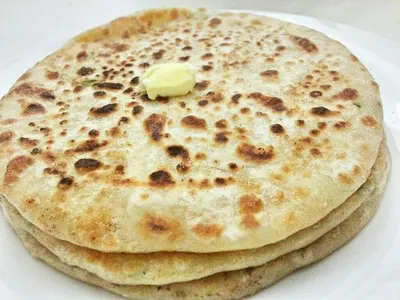
Lauki, Tori, Tinda, Karela: Gourd Names for the Grocery Aisle
Desi shops sell five or six gourds that look alike and have three names each. How to tell lauki from tori from tinda, plus what to cook with each.
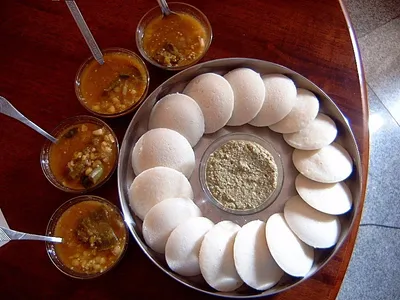
South Indian Tiffin Plate: What Goes With What
Idli, dosa, vada, sambar, rasam, curd rice. Which one is breakfast, which is lunch, and which sides actually belong together on one plate.
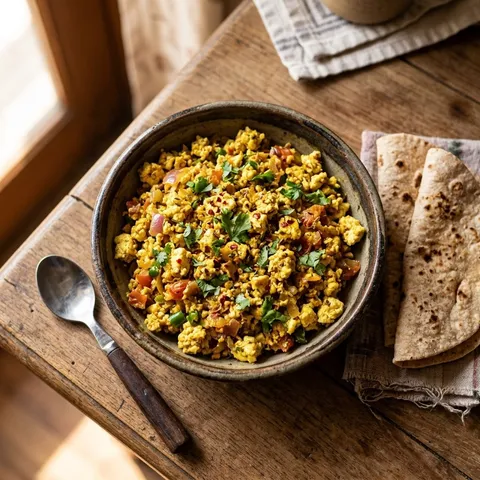
Guests Arriving in 30 Minutes? A Desi Dinner Clock
When guests are 30 minutes out, you do not need a feast, you need a sequence. A timed plan from our recipes, with the dishes to skip and the one-minute rescues.
A Night-Before Routine for Easy Suhoor in Ramadan
Instead of a list of dishes, this is a routine. Ten minutes after iftar clean-up sets up a calmer pre-dawn kitchen for the whole Ramadan month.